Industrial Asset Management: Explore Asset Lifecycle, Maintenance Strategies, Costs & Performance
Industrial assets support daily operations across manufacturing facilities.
These assets include machinery, production equipment, vehicles, electrical systems, tools, buildings, and other physical resources used in industrial environments. Managing them involves monitoring their condition, location, performance, maintenance needs, and operating costs throughout their useful life.
Industrial asset management combines planning, maintenance, recordkeeping, and technology to help organisations use equipment responsibly. An asset management system can bring important information into one place, while asset management software helps teams organise records and monitor activities. In larger facilities, enterprise asset management software may also connect maintenance, inventory, purchasing, and operational processes.
Understanding Industrial Asset Management
What does asset management involve?
Industrial asset management refers to the coordinated management of physical resources from acquisition to disposal. It includes identifying assets, recording their specifications, monitoring their condition, scheduling maintenance, and reviewing their performance.
The purpose is to understand what equipment an organisation owns, where it is located, how it is being used, and what support it requires. Accurate records can help maintenance teams plan work and managers make informed decisions about repairs or replacements.
Why is it important?
Industrial equipment often involves significant purchase, operating, and maintenance expenses. Poor recordkeeping can make it difficult to identify equipment problems, locate spare parts, or understand maintenance history.
A structured approach helps organisations:
Monitor equipment condition and operational status.
Plan inspections and maintenance activities.
Track asset locations and ownership details.
Record repair costs and equipment downtime.
Support budgeting and replacement planning.
Maintain documentation for audits and compliance requirements.
Types of Industrial Assets
Industrial facilities manage different asset categories, each with specific maintenance and tracking requirements.
Production and mechanical equipment
This category includes machines, motors, pumps, compressors, conveyors, generators, and production lines. Maintenance teams monitor operating hours, performance, inspection records, and repair history to understand equipment condition.
Electrical and digital infrastructure
Transformers, control panels, sensors, communication systems, and industrial computers support facility operations. Their management may involve electrical inspections, software updates, calibration records, and replacement planning.
Buildings and supporting infrastructure
Factories also depend on buildings, storage areas, ventilation systems, water networks, safety equipment, and other infrastructure. These assets require scheduled inspections and records of repairs or upgrades.
Tools, vehicles, and mobile equipment
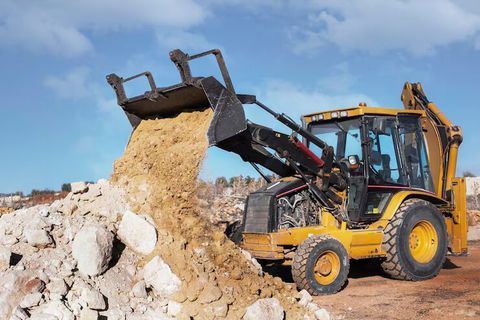
Forklifts, service vehicles, handheld tools, and movable equipment may operate across multiple locations. Asset tracking solutions help organisations record where these resources are assigned and whether they are available for use.
Asset Management Software and Tracking Tools
Technology can make asset information easier to record, update, and review. Different software categories support different parts of industrial asset management.
Asset management systems
An asset management system stores information about equipment, including identification numbers, specifications, purchase dates, locations, warranties, and maintenance records. It provides a central reference for employees who need accurate asset information.
Asset tracking software
Asset tracking software focuses on identifying and locating equipment. Depending on the system, it may use barcodes, QR codes, radio-frequency identification (RFID), GPS, or connected sensors.
For example, a warehouse may use barcode labels to track tools, while a company managing vehicles across several sites may use GPS-based monitoring. The appropriate method depends on asset type, location, tracking frequency, and operating conditions.
Industrial asset management software
Industrial asset management software may combine asset records, maintenance schedules, work orders, inspections, and performance information. It helps maintenance and operations teams coordinate activities and review equipment history.
A basic asset management tool may support simple registers and reminders. More advanced platforms can connect multiple facilities, departments, and operational systems.
Enterprise Asset Management and Maintenance
What is enterprise asset management?
Enterprise asset management (EAM) is a broader approach to managing physical assets across an organisation. Enterprise asset management software commonly supports asset records, maintenance planning, work management, spare parts, procurement, and lifecycle cost tracking.
EAM platforms are often used by organisations with multiple facilities or large equipment inventories. They can help standardise procedures and provide management teams with a wider view of asset performance.
Industrial maintenance software
Industrial maintenance software helps teams organise equipment inspections, service requests, repairs, and work orders. It can record maintenance tasks, assign responsibilities, track completion, and preserve repair histories.
Asset maintenance software may also provide reminders based on dates, operating hours, or equipment conditions. These features help teams coordinate preventive and corrective maintenance activities.
Maintenance Strategies for Industrial Assets
Maintenance planning is an important part of asset management. Different strategies are used depending on equipment criticality, operating conditions, and maintenance resources.
Preventive maintenance
Preventive maintenance involves carrying out inspections or servicing at planned intervals. Activities may include lubrication, cleaning, calibration, component replacement, and safety checks.
Predictive maintenance
Predictive maintenance uses equipment condition information to identify possible signs of developing problems. Data may come from vibration monitoring, temperature sensors, oil analysis, or other inspection methods.
Corrective maintenance
Corrective maintenance takes place after a fault or problem has been identified. It may involve repairing a component, replacing damaged parts, or restoring equipment to its required operating condition.
| Maintenance approach | Main basis | Typical activity |
|---|---|---|
| Preventive | Planned intervals | Scheduled inspection |
| Predictive | Equipment condition | Vibration monitoring |
| Corrective | Identified fault | Component repair |
| Condition-based | Measured performance | Servicing after defined indicators |
No single maintenance strategy suits every asset. Organisations often combine approaches based on equipment importance, repair complexity, operating risks, and available resources.
Asset Lifecycle and Cost Management
Industrial asset management covers more than daily maintenance. It considers the full lifecycle of equipment, from planning and purchase to operation, refurbishment, and disposal.
Lifecycle cost may include:
Purchase price and installation expenses.
Energy, materials, and operating costs.
Labour, inspection, and maintenance expenses.
Spare parts and repair costs.
Downtime and production disruption.
Replacement, removal, and disposal expenses.
Reviewing these costs helps organisations compare repair and replacement options. Equipment that appears inexpensive initially may require substantial operating or maintenance spending over time.
How to Choose an Asset Management System
Choosing suitable software depends on organisational size, asset types, existing processes, and technical requirements. Before selecting a platform, businesses should identify the problems they need it to address.
Important evaluation factors include:
Asset records: Check whether the system supports equipment details, locations, documents, and service history.
Tracking methods: Confirm compatibility with barcodes, RFID, GPS, or sensors where required.
Maintenance planning: Review work orders, inspection schedules, reminders, and reporting features.
Integration: Consider whether the software can connect with existing inventory, purchasing, or enterprise systems.
Reporting: Look for useful information about maintenance costs, equipment status, and downtime.
Access and security: Review user permissions, data protection, backup arrangements, and access controls.
A pilot project can help teams understand how the software works before wider implementation. Training, data accuracy, and clear responsibility for updating records are also important.
Frequently Asked Questions
What is industrial asset management software?
It is software designed to organise industrial equipment records, maintenance activities, inspections, and asset performance information.
What are asset tracking solutions used for?
They help organisations identify and locate equipment using methods such as barcodes, RFID, GPS, and connected sensors.
What is the difference between EAM and asset tracking software?
Asset tracking software mainly focuses on asset identification and location. Enterprise asset management software covers broader activities, including maintenance, work orders, inventory, and lifecycle planning.
Can small industrial businesses use an asset management tool?
Yes. Smaller businesses can use basic digital registers or software platforms suited to their equipment numbers, workflows, and maintenance needs.
Conclusion
Industrial asset management helps organisations organise physical resources, monitor equipment condition, plan maintenance, and review lifecycle costs. Asset tracking software supports location records, while enterprise asset management and industrial maintenance software provide broader operational functions. Selecting an appropriate system requires understanding asset requirements, maintenance processes, reporting needs, and available resources. Accurate records and consistent procedures remain essential to effective asset management.