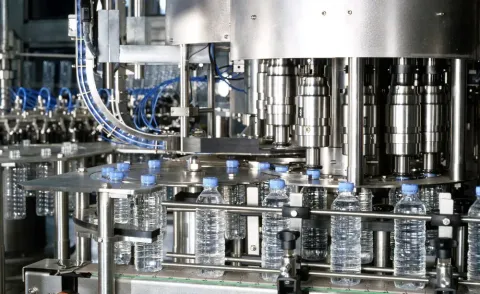
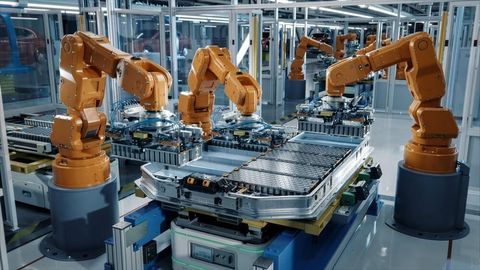
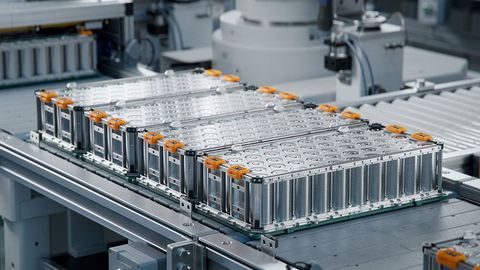
Industrial Automation Solutions Explained: Learn Facts, Applications, and Automation Trends
Industrial automation refers to the use of technology, control systems, and digital tools to operate machinery and industrial processes with minimal human intervention. These systems use technologies such as Programmable Logic Controllers (PLC), Industrial Internet of Things (IIoT), robotic automation systems, machine vision technology, and predictive maintenance analytics to improve the efficiency and consistency of manufacturing and industrial operations.
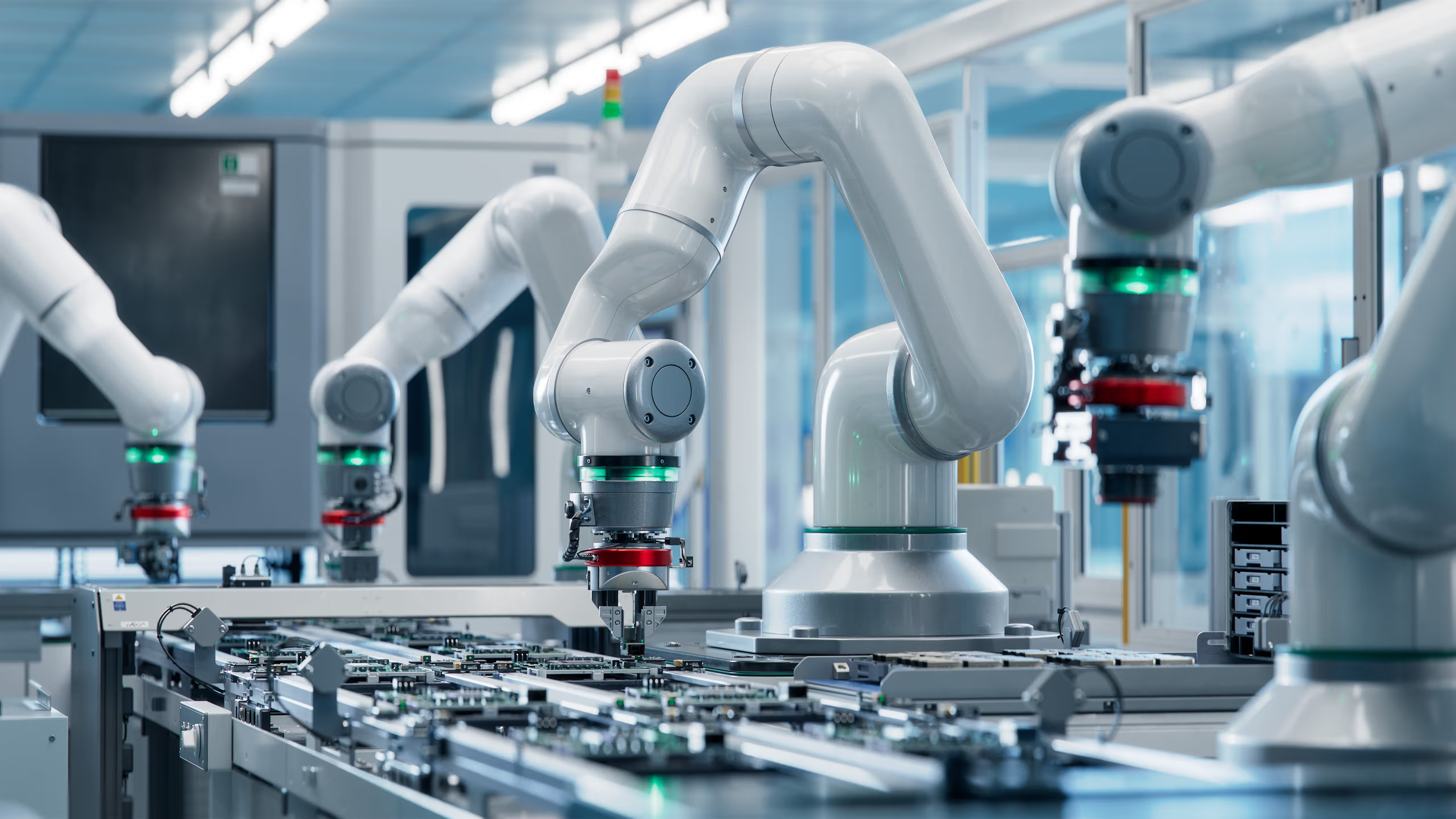
Industrial automation solutions exist because modern industries require high productivity, precise operations, and continuous production cycles. Manual processes alone cannot maintain the speed, safety, and accuracy required in sectors such as manufacturing, energy, logistics, automotive production, and chemical processing.
Automation systems combine hardware and software components to monitor, control, and optimize industrial processes. Sensors collect real-time data from machines, control systems analyze the data, and automated equipment adjusts operations based on predefined instructions.
Common industrial automation technologies include:
-
PLC automation systems
-
Supervisory Control and Data Acquisition (SCADA) platforms
-
Industrial robotics and robotic process automation
-
Industrial IoT sensors and connected devices
-
Machine learning predictive maintenance systems
-
Human Machine Interface (HMI) dashboards
These technologies help industries maintain high production standards while improving safety and reducing human error.
Why Industrial Automation Matters in Modern Industries
Industrial automation plays an important role in modern manufacturing and industrial environments. Companies and organizations rely on automation systems to maintain operational stability and improve production efficiency.
Several industries benefit from automation technologies, including:
-
Automotive manufacturing
-
Pharmaceutical production
-
Food and beverage processing
-
Oil and gas operations
-
Electronics manufacturing
-
Logistics and warehousing
Automation systems help address several operational challenges.
Improved production efficiency
Automation allows machines to operate continuously with minimal interruptions. Automated control systems optimize production lines by maintaining consistent performance levels.
Reduced human error
Manual industrial operations may lead to inconsistencies or safety risks. Automated systems follow programmed instructions and maintain precise control over processes.
Enhanced workplace safety
Industrial robots and automated machines perform hazardous tasks such as heavy lifting, high-temperature operations, and chemical handling.
Data-driven decision making
Industrial automation platforms collect large volumes of operational data. Analytics tools convert this data into insights that help engineers improve machine performance and reduce downtime.
Energy optimization
Smart automation systems monitor energy consumption and adjust equipment usage to improve efficiency in industrial plants.
The following table shows how automation technologies influence different industrial areas.
| Industrial Area | Automation Technology | Key Purpose |
|---|---|---|
| Manufacturing | PLC systems | Process control |
| Warehousing | Robotic automation | Material handling |
| Energy plants | SCADA systems | Remote monitoring |
| Electronics production | Machine vision | Quality inspection |
| Logistics | Automated sorting systems | Operational efficiency |
Automation systems are therefore considered a foundation of modern industrial infrastructure.
Automation Technology Trends and Industry Developments
Industrial automation continues to evolve as new technologies reshape manufacturing and industrial environments. Several developments in automation technologies have gained attention in the past year.
Expansion of Industrial IoT ecosystems
Factories increasingly use Industrial Internet of Things platforms to connect sensors, machines, and control systems. These connected devices provide real-time data about machine health, energy usage, and production performance.
Growth of predictive maintenance systems
Predictive maintenance uses artificial intelligence and data analytics to detect early signs of machine failure. Sensors monitor vibration, temperature, and pressure to identify irregularities before equipment breakdown occurs.
Integration of AI-driven robotics
Advanced robotics systems now incorporate artificial intelligence to perform complex tasks such as product assembly, visual inspection, and autonomous material movement.
Digital twin technology adoption
Digital twin models create virtual replicas of industrial equipment and production lines. Engineers analyze system behavior in the digital environment to improve efficiency and detect operational risks.
Smart manufacturing platforms
Manufacturers increasingly adopt integrated platforms that combine PLC control systems, SCADA monitoring, cloud data analytics, and industrial cybersecurity protection.
The following table summarizes key automation technology trends.
| Automation Trend | Description | Industrial Impact |
|---|---|---|
| Industrial IoT systems | Connected machines and sensors | Real-time monitoring |
| Predictive maintenance analytics | AI-based equipment diagnostics | Reduced downtime |
| Autonomous robotics | Intelligent robotic systems | Production automation |
| Digital twin modeling | Virtual simulation of industrial assets | Process optimization |
| Edge computing | Data processing near machines | Faster response times |
These developments highlight how automation technologies continue to transform modern industrial operations.
Regulatory Framework and Industrial Automation Policies
Industrial automation technologies operate within regulatory frameworks designed to ensure safety, cybersecurity, and operational compliance.
Government agencies and regulatory bodies often establish guidelines that influence how automation systems are designed and implemented in industrial environments.
Key regulatory considerations include:
Industrial safety standards
Automation equipment must follow established safety standards to protect workers and prevent accidents. Safety systems such as emergency shutdown mechanisms, machine guards, and sensor monitoring are commonly required.
Cybersecurity regulations
Connected industrial systems face cybersecurity risks. Governments and industry organizations promote cybersecurity frameworks to protect automation networks and industrial control systems.
Energy efficiency programs
Many countries encourage industries to adopt energy-efficient technologies. Automation systems that monitor and optimize energy consumption often support these national sustainability goals.
Digital manufacturing initiatives
Government initiatives often support the adoption of smart manufacturing technologies. These programs promote industrial innovation, automation adoption, and workforce training in advanced manufacturing systems.
Data governance requirements
Automation systems that collect operational data must follow guidelines related to data privacy, secure storage, and responsible data management.
Regulatory frameworks therefore influence how automation technologies are designed, implemented, and maintained in industrial environments.
Tools and Resources Used in Industrial Automation
Industrial automation relies on a variety of technical tools, software platforms, and engineering resources. These tools help engineers design, monitor, and optimize automated industrial processes.
Common automation tools include:
PLC programming platforms
Programmable Logic Controllers control industrial machines through ladder logic programming and automation scripts. Engineers use PLC programming environments to configure production systems.
SCADA monitoring dashboards
SCADA systems provide centralized dashboards for monitoring industrial equipment, pipelines, and production lines.
Industrial IoT analytics platforms
These platforms collect sensor data from connected machines and generate performance insights through data visualization and analytics.
Simulation software
Simulation tools allow engineers to test automation processes in virtual environments before deploying them in real-world operations.
Machine vision systems
Machine vision technology uses cameras and image recognition algorithms to inspect products and detect defects during production.
The following table outlines common automation tools and their primary roles.
| Tool Type | Purpose | Typical Use |
|---|---|---|
| PLC programming software | Machine control | Manufacturing automation |
| SCADA monitoring systems | Real-time monitoring | Industrial plants |
| IoT analytics platforms | Data analysis | Smart factories |
| Simulation software | Process testing | Automation design |
| Machine vision systems | Quality inspection | Production lines |
These resources support engineers and technicians who manage automated industrial operations.
Frequently Asked Questions About Industrial Automation
What is an industrial automation system?
An industrial automation system is a combination of hardware, software, and control technologies that manage machines and industrial processes automatically. These systems monitor production activities and adjust operations based on programmed instructions.
What industries use industrial automation technologies?
Industrial automation is used in many sectors including automotive manufacturing, electronics production, pharmaceuticals, logistics, energy generation, and food processing.
What is the role of PLC in automation?
A Programmable Logic Controller acts as the central control unit in many automation systems. It receives signals from sensors, processes instructions, and controls machines such as conveyors, motors, and robotic equipment.
What is Industrial IoT in automation?
Industrial IoT refers to networks of connected sensors, machines, and devices that collect and share operational data. This data helps improve equipment monitoring, predictive maintenance, and production optimization.
How does automation improve industrial safety?
Automation reduces the need for human involvement in dangerous tasks. Robots and automated systems handle hazardous operations such as heavy lifting, chemical handling, or extreme temperature processes.
Conclusion
Industrial automation solutions have become essential components of modern industrial operations. Technologies such as PLC automation systems, industrial IoT platforms, machine vision inspection systems, predictive maintenance analytics, and robotic automation technologies help industries operate efficiently and safely.
Automation enables organizations to monitor production processes in real time, maintain consistent product quality, and respond quickly to operational changes. The integration of data analytics, artificial intelligence, and connected devices continues to expand the capabilities of industrial automation systems.
As industries adopt smart manufacturing technologies and digital transformation strategies, automation will remain a critical factor in improving productivity, safety, and operational efficiency across global industrial sectors.