Industrial Dust Collectors: A Complete Guide to Understanding Functions, Types, and Key Insights
Industrial dust collectors are systems designed to capture, filter, and remove airborne dust particles produced during manufacturing, processing, and material-handling activities. They exist to help industries maintain cleaner air, improve workplace safety, and reduce the impact of particulate emissions on the environment.
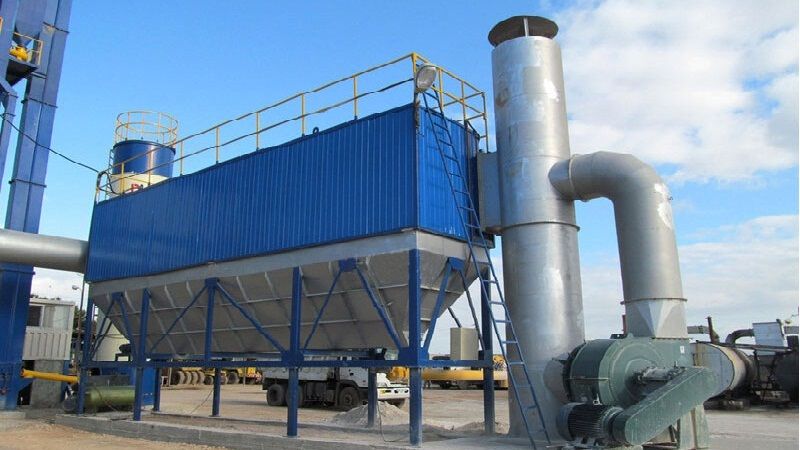
Dust is generated across multiple sectors such as metal fabrication, cement production, woodworking, mining, pharmaceuticals, food processing, and chemical manufacturing. These fine particles can become airborne due to cutting, grinding, conveying, or thermal processes. Without proper control solutions like dust collectors, these particles may accumulate, reduce air quality, and interfere with equipment performance.
Industrial dust collectors rely on airflow, filtration media, and collection mechanisms to trap particles efficiently. Common systems use cyclonic separation, fabric filters, and cartridge filtration. They vary in size from small units supporting single machines to large central systems serving entire plants. Because industries handle a wide range of materials — from wood and grains to silica and metal dust — dust collectors play an essential role in operational health, safety, and compliance.
Importance
Industrial dust collectors matter because they directly influence occupational health, environmental protection, product quality, and compliance with air emission standards. Many industrial dusts can pose respiratory risks, irritate skin and eyes, or create combustion dangers when accumulated in enclosed spaces. Airborne particles also affect machinery, leading to wear, clogging, and reduced performance.
Industries rely on dust collection systems to:
-
Maintain indoor air quality in production facilities
-
Protect workers from exposure to hazardous particulates
-
Improve product consistency by reducing airborne contaminants
-
Support safe material-handling operations
-
Reduce the risk of dust explosions, especially in combustible dust environments
-
Meet air pollution control standards and filtration efficiency requirements
This topic affects manufacturing companies, facility managers, environmental engineers, safety professionals, and workers in industrial settings. As businesses adopt cleaner production practices and precision manufacturing, dust collectors have become essential in sustaining regulatory compliance and reducing air emissions.
Recent Updates
Recent updates in the industrial dust collection field reflect advancements in filtration technology, emission control standards, and automated monitoring systems. Improvements in filtration materials have led to higher efficiency filters that capture fine particulates at lower energy consumption levels. Modern systems often include smart sensors that track airflow, filter condition, particulate load, and equipment performance in real time.
There has also been a growing shift toward modular dust collection designs that allow industries to scale systems based on production changes. Energy-efficient motors, pulse-jet cleaning enhancements, and compact cartridge collectors continue to gain attention due to lower environmental impact and operational flexibility.
In addition, updates in occupational exposure limits for airborne particles — including crystalline silica, metal dust, and fine particulate matter — have influenced the adoption of high-efficiency filtration systems. Industries are increasingly prioritizing dust control as part of sustainable manufacturing initiatives, emphasizing workplace air monitoring, emission traceability, and compliance verification.
Laws or Policies
Industrial dust collectors are influenced by regulations governing air quality, particulate emissions, and workplace safety. Government standards typically define permissible exposure limits for various dust types, such as silica dust, wood dust, metal particulates, and chemical powders. These rules require industries to manage airborne particles using engineering controls such as local exhaust ventilation and high-efficiency filtration systems.
Environmental policies also regulate emissions released from industrial stacks and process equipment. Dust collectors help industries meet these requirements by controlling particulate discharge and ensuring filtration efficiency. Facilities may undergo inspections, performance tests, and compliance audits to verify that dust control systems operate effectively.
Workplace safety guidelines often outline requirements for controlling combustible dust hazards. These include proper system design, grounding, explosion mitigation measures, and regular maintenance. By following these standards, industries reduce the risk of ignition incidents while improving overall operational safety.
Tools and Resources
Several tools, apps, and resources support industries in managing dust collection requirements, monitoring system performance, and planning air quality strategies. These tools assist in analyzing airflow, estimating particulate load, selecting filtration technology, and maintaining dust collectors efficiently.
Common tools and resources include:
-
Airflow calculators for determining required ventilation rates
-
Dust load estimators to evaluate particulate generation in industrial processes
-
Filtration efficiency charts for comparing filter media performance
-
Static pressure calculators used in duct design and system layout
-
Combustible dust hazard assessment templates for safety planning
-
Digital monitoring dashboards for tracking pressure drop, airflow, and filter condition
-
Emission tracking worksheets supporting compliance documentation
These tools help engineers design reliable systems, optimize filtration, and align operations with air quality standards.
Types of Industrial Dust Collectors
Below is a simplified table summarizing common types of industrial dust collectors and their typical uses:
| Dust Collector Type | Key Function | Common Applications |
|---|---|---|
| Cyclone Separator | Uses centrifugal force to remove large particles | Woodworking, bulk material handling |
| Baghouse Collector | Uses fabric filter bags for fine dust filtration | Cement, mining, metal processing |
| Cartridge Collector | Uses pleated filters for high-efficiency fine dust capture | Welding, laser cutting, chemical processing |
| Wet Scrubber | Uses water to capture moist or sticky particles | Food processing, chemical plants |
| Electrostatic Precipitator | Charges particles to attract them to collection plates | Power generation, industrial boilers |
These systems vary based on dust characteristics, particle size, airflow volume, and required filtration efficiency.
FAQs
What is the main purpose of an industrial dust collector?
Its purpose is to remove airborne particles from industrial environments using filtration and airflow control. This improves air quality, supports safety, and reduces emission levels.
Which industries use dust collectors?
Industries including manufacturing, metalworking, cement production, woodworking, pharmaceuticals, agriculture, textiles, and chemicals use dust collectors to manage particulate emissions.
How often should filters be checked?
Filters should be checked based on operating hours, particulate load, and system design. Many facilities monitor pressure drop as an indicator for cleaning or replacement.
What makes fine dust more challenging to capture?
Fine dust has low mass and remains airborne longer. It requires high-efficiency filters and properly balanced airflow to ensure complete capture.
Are dust collectors used to prevent dust explosions?
Yes, they help reduce dust accumulation, which is a contributing factor in combustible dust incidents. Additional safety measures may be required based on material type.
Conclusion
Industrial dust collectors play a crucial role in maintaining clean air, supporting workplace safety, improving equipment reliability, and helping industries comply with air quality standards. As manufacturing processes evolve, dust collection technology continues to advance through better filtration materials, automated monitoring, and energy-efficient designs.
By understanding the functions, types, and performance considerations of dust collectors, industries can create safer and more sustainable production environments. This guide provides key insights into dust control practices, regulatory influences, and the tools that assist in designing and managing effective dust collection systems.

