Industrial Refrigerator Explanation: Discover Features, Details, and Useful Resources
Industrial refrigerators are specialized industrial refrigeration systems designed to maintain controlled low temperatures for large-scale storage and processing environments. Unlike household refrigeration appliances, these systems are built to operate continuously and handle high storage volumes while maintaining stable temperature conditions.
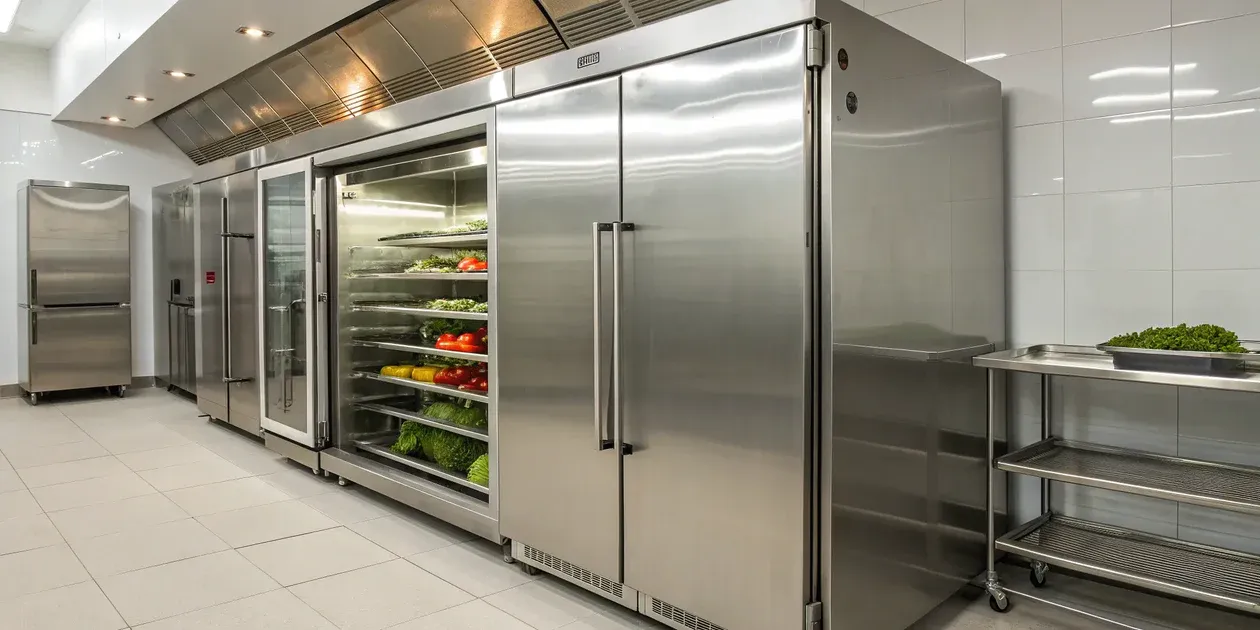
These refrigeration units are commonly found in sectors such as food processing, pharmaceutical storage, chemical laboratories, logistics warehouses, and agricultural facilities. Their primary purpose is to preserve temperature-sensitive products by preventing spoilage, contamination, or chemical degradation.
Industrial refrigeration technology relies on advanced components such as compressors, condensers, evaporators, and sophisticated HVAC refrigeration controls. These elements work together to remove heat from the storage space and maintain consistent cooling performance.
Key characteristics often associated with commercial refrigeration units include:
-
Large storage capacity
-
High-performance cooling cycles
-
Precise temperature monitoring
-
Durable construction for continuous operation
-
Energy-efficient refrigeration design
In modern infrastructure, cold storage technology is considered essential for maintaining supply chain stability, especially in industries that depend on temperature-controlled environments.
Why Industrial Refrigeration Matters Today
Industrial refrigeration plays a crucial role in supporting global supply chains and preserving sensitive materials. With increasing demand for food safety, pharmaceutical storage, and biotechnology development, the importance of reliable refrigeration infrastructure continues to grow.
Several industries depend heavily on industrial cold storage systems:
-
Food manufacturing and processing facilities
-
Pharmaceutical laboratories and vaccine storage environments
-
Agricultural product storage and distribution centers
-
Chemical processing plants
-
Large retail distribution warehouses
These systems help address multiple operational challenges. For example, in food storage, maintaining proper temperature conditions prevents bacterial growth and ensures compliance with safety standards. In the pharmaceutical sector, precise temperature management protects the integrity of vaccines and temperature-sensitive medications.
Industrial refrigeration systems also contribute to energy efficient refrigeration operations, which has become an important consideration in modern facilities. Energy optimization helps reduce environmental impact and improves long-term system sustainability.
Another important factor is logistics. As international trade and transportation expand, temperature-controlled supply chains rely on dependable commercial refrigeration technology to protect perishable goods throughout distribution networks.
The table below summarizes common applications and temperature ranges used in industrial refrigeration environments.
| Industry Sector | Typical Temperature Range | Main Purpose |
|---|---|---|
| Food Processing | 0°C to 4°C | Fresh product preservation |
| Frozen Storage | -18°C or lower | Long-term frozen goods storage |
| Pharmaceutical Storage | 2°C to 8°C | Medicine and vaccine protection |
| Chemical Processing | Variable | Stabilizing chemical compounds |
| Agricultural Storage | 0°C to 10°C | Extending shelf life of produce |
These temperature-controlled environments highlight how industrial refrigeration systems help protect product quality and maintain operational reliability.
Recent Developments and Trends in Industrial Refrigeration
In recent months, the industrial refrigeration sector has experienced several technological improvements aimed at efficiency, environmental sustainability, and digital monitoring.
One major trend involves the increased adoption of energy efficient refrigeration systems. Facilities are integrating high-efficiency compressors, improved insulation materials, and intelligent temperature sensors to reduce energy consumption while maintaining stable cooling conditions.
Another development is the rise of smart refrigeration monitoring systems. These digital platforms allow facility managers to track temperature data, detect anomalies, and analyze operational performance in real time. Data-driven monitoring helps prevent system failures and supports predictive maintenance strategies.
Automation has also become more common. Modern industrial refrigeration units often integrate with building management systems, enabling centralized control of temperature, humidity, and airflow.
Environmentally safer refrigerants have gained attention as well. Many industrial refrigeration operators are transitioning toward natural refrigerants such as ammonia and carbon dioxide. These refrigerants are valued for their lower environmental impact compared to older chemical compounds.
A simplified comparison of refrigeration technology trends is shown below.
| Technology Area | Traditional Approach | Modern Approach |
|---|---|---|
| Temperature Monitoring | Manual inspection | Digital sensors and remote monitoring |
| Refrigerants | Synthetic chemical refrigerants | Natural refrigerants such as ammonia or CO₂ |
| Energy Management | Fixed operational settings | Adaptive energy optimization |
| System Diagnostics | Reactive maintenance | Predictive performance analysis |
These technological improvements aim to increase reliability while improving the environmental footprint of industrial cooling systems.
Regulations and Policies Affecting Industrial Refrigeration
Industrial refrigeration is closely linked to environmental and safety regulations because refrigeration systems use pressurized components and chemical refrigerants.
Many countries enforce strict standards governing refrigeration technology to protect both human safety and environmental sustainability. These rules typically address refrigerant usage, equipment safety, and energy efficiency.
Important regulatory considerations often include:
-
Environmental standards related to refrigerant emissions
-
Energy efficiency guidelines for industrial equipment
-
Workplace safety protocols for refrigeration facilities
-
Storage regulations for food and pharmaceutical products
For example, environmental frameworks in many regions encourage the gradual transition toward refrigerants with lower global warming impact. These policies influence how industrial refrigeration equipment is designed and maintained.
Safety regulations also require periodic inspection of compressors, pressure vessels, and cooling pipelines. Proper system maintenance helps prevent mechanical failure and ensures stable operation in large-scale refrigeration facilities.
In industries such as food processing and pharmaceuticals, temperature compliance is especially important. Regulatory authorities often require accurate monitoring and documentation of storage conditions to ensure product safety.
A typical compliance checklist for refrigeration facilities may include:
-
Continuous temperature monitoring
-
Refrigerant leak detection systems
-
Regular equipment inspection
-
Documentation of maintenance activities
-
Compliance with environmental refrigerant guidelines
These policies help ensure that industrial refrigeration technology operates responsibly and safely across different sectors.
Tools and Resources Related to Industrial Refrigeration
Understanding and managing industrial refrigeration systems often involves specialized tools and digital resources that support monitoring, maintenance, and efficiency analysis.
Several types of tools are commonly used in industrial cooling environments:
Temperature Monitoring Systems
-
Digital temperature data loggers
-
Wireless refrigeration sensors
-
Environmental monitoring dashboards
Energy Analysis Tools
-
Refrigeration energy efficiency calculators
-
Cooling load estimation software
-
HVAC system performance analysis tools
Maintenance Management Platforms
-
Preventive maintenance tracking systems
-
Refrigeration diagnostic tools
-
Equipment inspection documentation templates
Industrial Refrigeration Simulation Tools
-
Cold storage load simulation software
-
Compressor performance modeling systems
-
Thermal insulation evaluation tools
The following diagram illustrates how different tools interact within a modern refrigeration infrastructure.
Temperature Sensors
        │
        ▼
Monitoring Software
        │
        ▼
Performance Analysis
        │
        ▼
Maintenance Planning
        │
        ▼
Energy Optimization
These tools help operators understand refrigeration performance and maintain consistent environmental conditions in industrial cold storage facilities.
Frequently Asked Questions
What is the difference between industrial and domestic refrigeration?
Industrial refrigeration systems are designed for large-scale operations with high storage capacity and continuous operation. Domestic refrigerators serve household needs and have much smaller cooling requirements.
Which industries commonly use industrial refrigeration systems?
Industries such as food processing, pharmaceutical manufacturing, chemical production, agriculture, and logistics warehouses frequently depend on industrial refrigeration technology.
What refrigerants are commonly used in industrial refrigeration?
Natural refrigerants such as ammonia and carbon dioxide are widely used in modern industrial systems. These refrigerants support efficient cooling and align with environmental guidelines.
Why is temperature monitoring important in cold storage facilities?
Accurate monitoring helps maintain product quality and safety. Temperature fluctuations can lead to spoilage, contamination, or chemical instability in sensitive materials.
How does energy efficiency affect industrial refrigeration systems?
Energy-efficient refrigeration systems reduce electricity consumption, improve environmental sustainability, and enhance long-term operational stability.
Conclusion
Industrial refrigeration systems are a fundamental component of modern infrastructure, supporting industries that rely on controlled temperature environments. From food preservation and pharmaceutical storage to chemical processing and logistics operations, these systems ensure that sensitive materials remain stable and safe.
Advancements in industrial refrigeration technology, including smart monitoring systems, energy-efficient compressors, and environmentally responsible refrigerants, continue to improve reliability and sustainability. At the same time, regulatory frameworks guide safe operation and environmental compliance.
Understanding the principles of commercial refrigeration units, cold storage systems, and refrigeration monitoring tools helps organizations maintain stable operations and protect product integrity.
As industries continue to expand globally, industrial refrigeration will remain an essential technology supporting safe storage, efficient supply chains, and reliable temperature-controlled environments.

