Industrial Warehouse Construction in Bangalore: An Overview to Explore Basics and Key Insights
Industrial warehouse construction in Bangalore refers to the development of large storage and logistics facilities designed to support manufacturing, distribution, and supply chain operations. These structures are commonly located near highways, industrial zones, and logistics corridors such as Tumakuru Road, Hosur Road, Nelamangala, and Devanahalli.
The concept exists because modern industries require organized spaces for storing raw materials, finished goods, and equipment. Warehouses also support inventory management, transportation coordination, and regional distribution.
Bangalore’s role as a technology, manufacturing, and e-commerce hub has increased the demand for structured logistics infrastructure. Industrial warehouses are built with features such as high ceilings, wide loading bays, reinforced flooring, and advanced safety systems.
These facilities support efficient movement of goods while meeting operational, safety, and regulatory requirements.
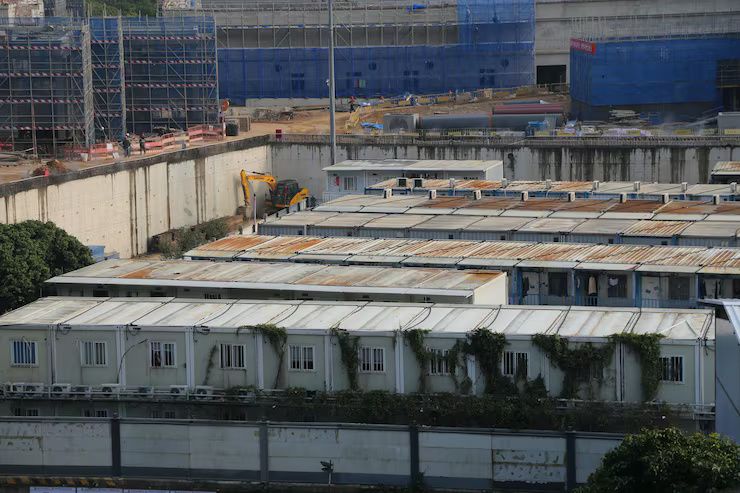
Importance: Why Industrial Warehouse Construction Matters Today
Industrial warehouse construction matters because supply chains have become more complex and time-sensitive. Businesses require reliable storage and distribution systems to maintain efficiency.
Key challenges addressed by warehouse infrastructure include:
-
Limited storage capacity
-
Inefficient logistics flow
-
Inventory management complexity
-
Transportation coordination
-
Urban space constraints
For manufacturers, warehouses support organized production planning. For logistics operators, they improve delivery efficiency. For the city, they help decentralize heavy industrial activity away from dense residential zones.
Warehouses also support regional trade by enabling faster movement of goods between industrial clusters, ports, and retail markets.
From an economic perspective, logistics infrastructure strengthens Bangalore’s role as a commercial and industrial center
Recent Updates and Trends in Warehouse Development
Between mid-2025 and early-2026, several trends influenced warehouse construction in Bangalore.
In May 2025, demand increased for large-format warehouses near peripheral highways to reduce urban congestion.
By August 2025, automation-ready warehouse designs became more common, with provisions for material handling systems.
In October 2025, sustainability features such as solar roofing and rainwater harvesting were increasingly adopted.
In January 2026, digital facility management systems improved monitoring of energy use, security, and operations.
Summary of recent developments
| Update Area | Observed Change | Practical Impact |
|---|---|---|
| Location Planning | Highway-adjacent sites | Better logistics flow |
| Automation | Smart-ready layouts | Higher efficiency |
| Sustainability | Eco-friendly features | Lower resource use |
| Digital Systems | Facility monitoring tools | Improved operations |
| Safety Design | Advanced compliance | Better risk control |
These trends reflect a shift toward efficient, sustainable, and technology-enabled warehouses.
Laws, Policies, and Regulatory Influence in India
Industrial warehouse construction in Bangalore follows national, state, and municipal regulations.
The Bangalore Development Authority (BDA) controls land zoning and industrial land use approvals.
The Bruhat Bengaluru Mahanagara Palike (BBMP) oversees building permits, sanitation, and civic infrastructure.
The Karnataka Industrial Areas Development Board (KIADB) regulates industrial land allotment and development.
The Factories Act, 1948 ensures worker safety, ventilation, and operational standards in industrial facilities.
The Environment Protection Act, 1986 governs waste management, emissions, and resource usage.
The National Building Code (NBC) sets structural safety and fire protection guidelines.
These regulations promote safe, compliant, and environmentally responsible warehouse construction.
Tools and Resources for Planning and Development
Several tools help developers and planners understand warehouse construction requirements.
Helpful categories include:
-
Land zoning maps
-
Building code references
-
Logistics corridor planners
-
Environmental compliance guides
-
Construction scheduling tools
Common resource types
| Resource Type | Purpose |
|---|---|
| Zoning portals | Verify land use |
| NBC guidelines | Ensure structural safety |
| Logistics maps | Plan connectivity |
| Environmental manuals | Follow sustainability rules |
| Project planners | Schedule construction |
These resources support informed development planning.
Common Features of Industrial Warehouses
Modern warehouses typically include:
-
High-load flooring
-
Wide access roads
-
Loading docks
-
Fire safety systems
-
Ventilation infrastructure
Design focuses on safety and efficiency.
Key Location Zones in Bangalore
| Area | Key Feature |
|---|---|
| Nelamangala | Highway connectivity |
| Devanahalli | Airport access |
| Tumakuru Road | Industrial clusters |
| Hosur Road | Logistics corridor |
| Bidadi | Manufacturing zone |
Location affects transport efficiency.
Warehouses vs Urban Storage Facilities
| Feature | Industrial Warehouses | Urban Storage |
|---|---|---|
| Size | Large | Small |
| Access | Highway-based | City roads |
| Capacity | High | Limited |
| Noise | Controlled | Higher |
| Safety | Industrial standards | Basic |
Industrial sites support large-scale logistics.
Role of Connectivity
Efficient warehouses require:
-
Highway access
-
Rail connectivity
-
Airport proximity
-
Industrial road networks
Connectivity supports faster distribution.
Structural Design Considerations
Design focuses on:
-
Load-bearing capacity
-
Fire safety
-
Vehicle movement
-
Storage height
Structure supports operational needs.
Safety and Compliance
Warehouses include:
-
Fire detection systems
-
Emergency exits
-
Safety signage
-
Equipment zones
Compliance reduces risk.
Environmental Considerations
Modern warehouses use:
-
Solar energy
-
Water recycling
-
Waste segregation
-
Natural lighting
Sustainability supports long-term operations.
Workforce and Operations
Facilities support:
-
Material handling
-
Inventory tracking
-
Safety training
-
Logistics coordination
Workforce efficiency improves productivity.
Challenges in Warehouse Construction
Common challenges include:
-
Land availability
-
Traffic management
-
Environmental approvals
-
Infrastructure access
Planning helps manage complexity.
Impact on Local Economy
Warehouse development supports:
-
Employment generation
-
Industrial growth
-
Trade efficiency
-
Infrastructure investment
Economic benefits extend regionally.
Technology in Warehouse Design
Modern facilities use:
-
Digital monitoring
-
Smart lighting
-
Automated systems
-
Security controls
Technology improves efficiency.
Educational and Training Use
Warehouses support:
-
Logistics training
-
Engineering studies
-
Safety workshops
-
Infrastructure research
They offer practical learning environments.
Frequently Asked Questions
What is industrial warehouse construction?
It involves building large storage facilities for logistics and manufacturing.
Why is it important in Bangalore?
It supports supply chains and industrial growth.
Are warehouses regulated?
Yes, under building, safety, and environmental laws.
Where are warehouses located?
Near highways and industrial zones.
Do warehouses support sustainability?
Many include eco-friendly features.
Future Outlook for Warehouse Development
Future developments may include:
-
Smart logistics parks
-
Green construction
-
Automation-ready layouts
-
Digital compliance systems
These aim to improve efficiency and sustainability.
Role in Bangalore’s Industrial Growth
Warehouse infrastructure supports:
-
Manufacturing
-
E-commerce
-
Regional trade
-
Logistics efficiency
It strengthens the industrial ecosystem.
Responsible Construction Practices
Best practices emphasize:
-
Legal compliance
-
Safety standards
-
Environmental care
-
Transparent planning
Responsibility ensures sustainable development.
Conclusion
Industrial warehouse construction in Bangalore plays a critical role in supporting logistics, manufacturing, and supply chain operations. By providing organized storage, efficient connectivity, and safe working environments, these facilities strengthen the city’s industrial infrastructure.
Recent trends highlight greater focus on sustainability, automation-ready designs, and improved location planning. In India, zoning laws, building codes, and environmental regulations guide responsible warehouse development.
As Bangalore continues to expand as a commercial and industrial hub, understanding the basics, policies, and planning tools related to warehouse construction helps promote efficient, safe, and sustainable infrastructure growth.