Insights into Smart Parking Systems: How They Work, Benefits, and Data-Driven Solutions
Smart parking systems are technology-based solutions designed to help drivers find, use, and manage parking spaces more efficiently. They combine hardware such as sensors and cameras with software platforms that collect and analyze parking data in real time. The core idea is simple: detect whether a parking space is occupied and share that information with users and administrators.
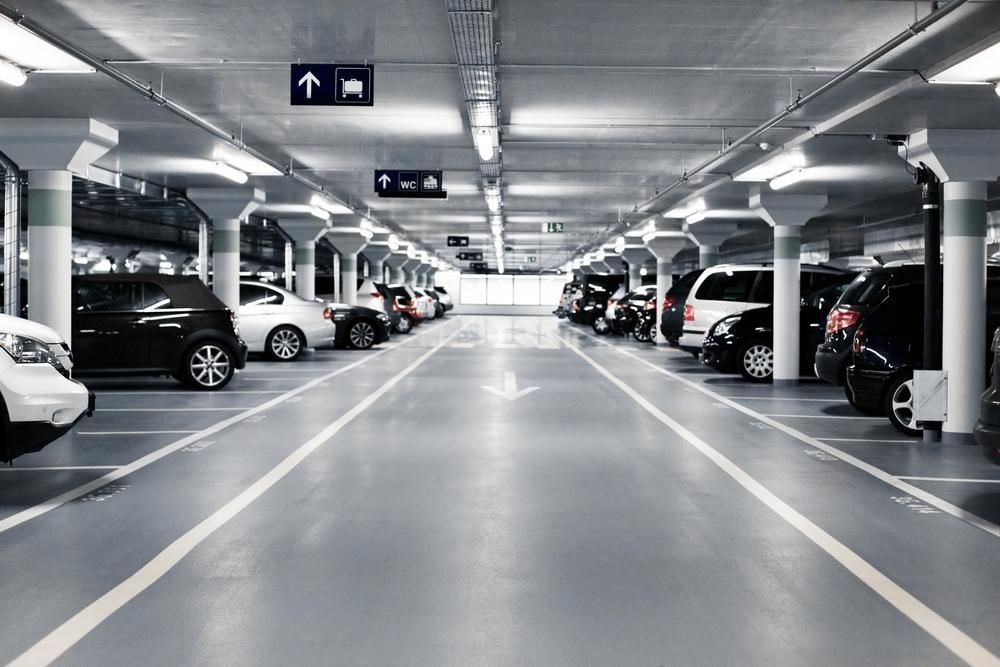
These systems emerged as cities grew denser and vehicle ownership increased. Traditional parking methods rely on manual checks, paper tickets, or drivers circling streets to locate empty spaces. This approach leads to congestion, wasted fuel, and frustration. Smart parking systems exist to replace guesswork with data-driven visibility.
At a basic level, a smart parking setup includes three layers. The first is data collection, where sensors or cameras detect vehicle presence. The second is data processing, where software analyzes occupancy, duration, and patterns. The third is information delivery, where insights appear on dashboards, mobile apps, or digital signboards.
Because of this structure, smart parking is often discussed alongside smart city infrastructure, traffic management systems, and urban mobility platforms.
Importance: Why Smart Parking Matters Today
Parking inefficiency affects drivers, city planners, businesses, and the environment. Smart parking systems address several everyday problems that have become more visible as urban populations expand.
For drivers, the most immediate benefit is reduced time spent searching for parking. Studies in urban mobility consistently show that a significant share of inner-city traffic comes from vehicles circling for spaces. By providing real-time availability data, smart parking systems reduce uncertainty and stress.
For cities and municipalities, parking data provides insights that were previously unavailable. Authorities can understand peak demand periods, underused zones, and long-term trends. This supports better policy decisions, such as adjusting parking durations, redesigning curb space, or integrating parking with public transport planning.
For the environment, fewer cars searching for parking means lower fuel consumption and reduced emissions. While smart parking alone does not solve traffic congestion, it contributes to broader sustainability goals.
Key problems smart parking systems help solve include:
-
Traffic congestion caused by parking searches
-
Inefficient use of existing parking infrastructure
-
Lack of reliable parking data for planning
-
Poor user experience in busy urban areas
In commercial areas such as malls, hospitals, and campuses, smart parking also improves traffic flow and safety by guiding vehicles more predictably.
Recent Updates: Trends and Developments in Smart Parking
Over the past year, smart parking technology has continued to evolve in both capability and scale. One noticeable trend is the wider use of computer vision. Camera-based systems have improved accuracy in detecting occupancy, even in complex layouts such as on-street parking and multi-level structures.
Another update is the deeper integration of parking data with navigation and mobility platforms. Instead of functioning as standalone tools, smart parking systems are increasingly connected to traffic analytics and urban dashboards. This allows cities to correlate parking availability with congestion levels and event schedules.
Edge computing has also gained attention. By processing data closer to the sensor, systems can reduce latency and improve reliability, especially in high-traffic zones. This approach is particularly useful where constant connectivity cannot be guaranteed.
Data privacy and cybersecurity have become stronger focus areas. Recent policy discussions and technology updates emphasize anonymization of vehicle data and secure data storage practices to address public concerns.
In many regions, pilot programs have expanded into permanent deployments, indicating that smart parking is moving from experimentation to long-term infrastructure planning.
Laws and Policies: Regulatory Influence on Smart Parking
Smart parking systems operate within broader transportation, data protection, and urban planning frameworks. Regulations influence how data is collected, stored, and used.
In many countries, parking data that can be linked to individuals or vehicles is subject to data protection rules. These rules typically require transparency about data usage, limits on retention, and safeguards against misuse. As a result, smart parking platforms often focus on aggregated data rather than individual tracking.
Urban transport policies also shape smart parking adoption. Governments promoting smart city initiatives often include parking digitization as part of wider mobility programs. These policies encourage standardization, interoperability, and integration with public infrastructure.
Accessibility regulations play a role as well. Smart parking systems must account for designated spaces, such as those reserved for people with disabilities, and ensure that guidance systems reflect these rules accurately.
In some regions, environmental policies indirectly support smart parking by prioritizing technologies that reduce congestion and emissions. While regulations vary by country and city, compliance has become a central design consideration for system providers and city authorities.
Tools and Resources: Platforms and Technologies Used
A wide ecosystem of tools supports smart parking systems, from physical devices to analytical software. These resources are used by city planners, facility managers, and researchers.
Common categories include:
-
Parking occupancy sensors (ground-mounted or overhead)
-
Camera-based detection systems using computer vision
-
Centralized dashboards for monitoring and analytics
-
Mobile applications that display availability and guidance
-
Data analytics platforms for demand forecasting
Below is a simplified overview of common smart parking components and their roles:
| Component Type | Purpose | Typical Output |
|---|---|---|
| Sensors | Detect vehicle presence | Occupied or vacant status |
| Cameras | Visual verification and analytics | Image-based occupancy data |
| Software platform | Process and analyze data | Dashboards and reports |
| User interface | Share information with drivers | Maps, alerts, indicators |
For analysis and planning, simulation tools and traffic modeling software are often used alongside parking data. These tools help estimate the impact of policy changes or infrastructure redesigns.
Templates for parking studies and standardized data formats are also increasingly available, helping cities compare results across locations.
FAQs: Common Questions About Smart Parking Systems
What data does a smart parking system collect?
Most systems collect occupancy status, duration of parking, and time-based patterns. Personal data is usually minimized or anonymized to meet privacy requirements.
Are smart parking systems only for large cities?
No. While large cities were early adopters, smaller towns, campuses, and private facilities also use smart parking to manage limited space more effectively.
How accurate are parking sensors and cameras?
Accuracy varies by technology and environment, but modern systems typically achieve high reliability when properly installed and maintained.
Do smart parking systems reduce traffic congestion?
They can contribute to congestion reduction by decreasing the time drivers spend searching for spaces, especially in high-demand areas.
Can smart parking data be used for long-term planning?
Yes. Historical data helps identify trends, peak usage, and infrastructure gaps, supporting informed urban planning decisions.
Conclusion
Smart parking systems represent a practical application of data-driven technology in everyday urban life. By combining sensors, software, and analytics, they address a common yet complex problem: efficient use of parking space.
Their value lies not only in convenience for drivers but also in the insights they provide to planners and policymakers. As technology continues to mature, smart parking is becoming a standard component of modern mobility strategies rather than a niche solution.

