Insights on Kerala Backwater Houseboat Trips: Explanation, Basics, and Key Facts
Kerala’s backwater houseboat journeys are rooted in a long cultural and geographical tradition shaped by the state’s interconnected network of canals, lakes, lagoons, and rivers. These inland waterways once served as essential transport routes for local communities across Alappuzha, Kumarakom, Kollam, and Kuttanad. Traditional kettuvallams—wooden boats crafted from planks tied with coir—were historically used for carrying rice, coconut, and other agricultural produce to nearby markets.
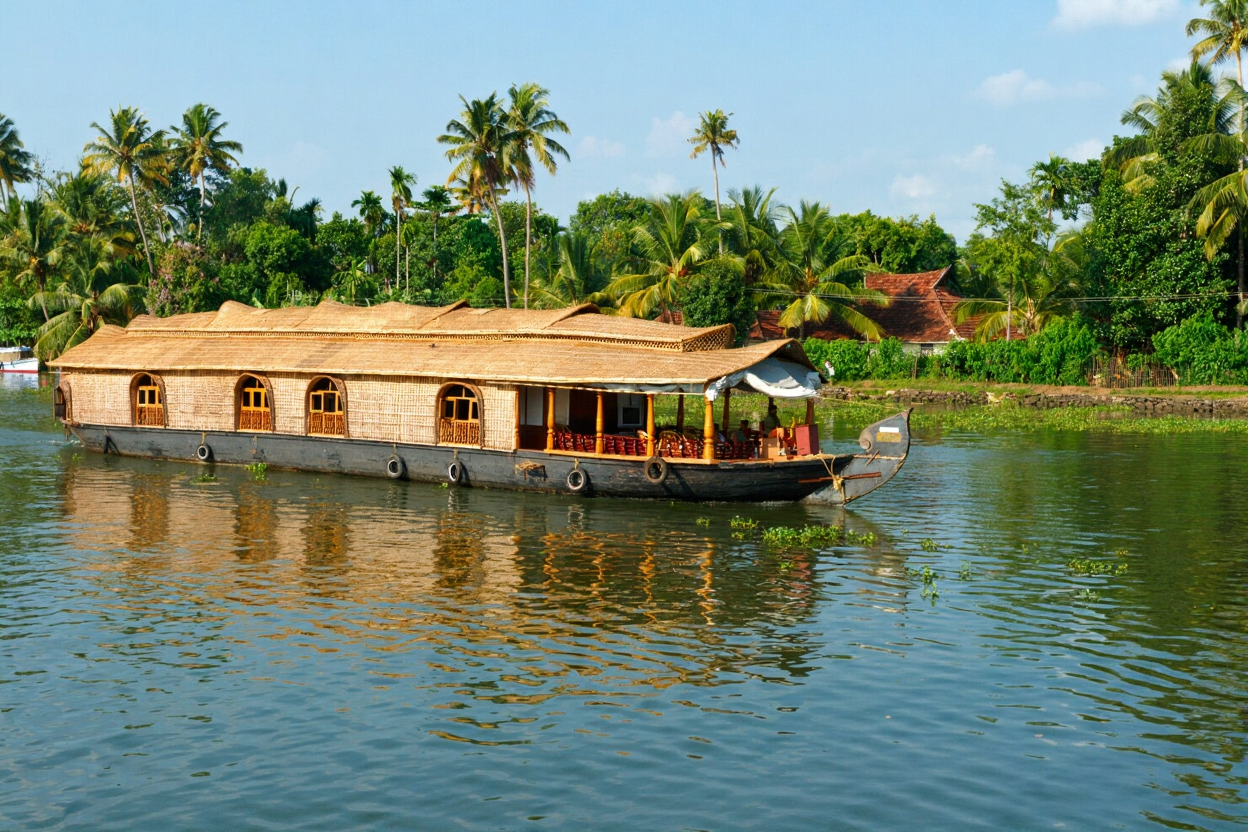
Over time, these functional vessels evolved into houseboats designed for slow travel through the wetlands and paddy fields of Kerala’s coastal belt. The concept exists because the region’s water-linked settlements rely heavily on these canals for mobility, access to resources, and daily life. The backwaters remain a living ecosystem home to mangroves, water birds, aquatic species, and communities who have adapted their livelihoods around the waterways.
Today’s houseboat journeys highlight this environment through a calm, nature-focused experience built around observation, learning, and cultural understanding. The experience is not only a retreat into Kerala’s ecological heritage but also a window into local history, traditional architecture, regional food practices, and the agricultural layout of the Kuttanad below-sea-level farming system.
Importance: Why Backwater Houseboat Trips Matter Today
Kerala’s backwaters play an important role in environmental sustainability, cultural preservation, and regional tourism awareness. They matter for multiple reasons:
-
Cultural value
The backwaters preserve centuries-old traditions of boat craftsmanship, inland fishing, coconut farming, and canal-based community life. Experiencing these waterways helps spread understanding of Kerala’s unique cultural identity and architectural techniques. -
Ecological significance
The wetland network functions as a natural flood buffer, a habitat for migratory birds, and a filtration ecosystem that supports agricultural cycles. Houseboat routes introduce visitors to fragile ecosystems and encourage awareness of wetland conservation practices. -
Community relevance
Many households in the Alappuzha and Kuttanad regions rely on water-linked occupations such as coir production, paddy cultivation, fishing, and local transport. The visibility of these livelihoods encourages discussions on sustainable development and environmentally responsible travel. -
Educational insight
Houseboat journeys provide opportunities to learn about:-
Below-sea-level farming landscapes
-
Wetland biodiversity
-
Canal-based water management
-
Mangrove regeneration efforts
-
Traditional methods of boat building
-
-
Environmental challenges addressed
Increased attention to the backwaters also supports conversations on pollution prevention, water quality management, and responsible waste-disposal practices, helping promote more sustainable regional planning.
Recent Updates: Trends and Notable Developments (2024–2025)
Recent changes have shaped how Kerala’s backwater system and houseboat operations function:
-
Sustainable Tourism Guidelines (2024)
In early 2024, Kerala’s tourism department highlighted updated environmental guidelines emphasizing waste-management protocols, fuel-efficiency measures, and eco-friendly practices for houseboats. -
Improved Waterway Monitoring (2024–2025)
Local authorities increased water-quality monitoring efforts in parts of Alappuzha and Vembanad Lake during mid-2024 to address seasonal ecological concerns. These initiatives were reinforced again in early 2025 to protect wetland biodiversity. -
Digital Navigation and Tracking Systems (2024)
GPS-based monitoring and registration systems became more widely implemented in 2024 for enhanced safety, route clarity, and operational transparency. -
Renewed Focus on Mangrove Restoration (2024–2025)
Environmental groups and government programs expanded mangrove planting projects around Vembanad Lake in 2024, with continued activity reported into 2025. These efforts support soil stabilization, fish breeding, and carbon absorption. -
Updated Safety Requirements (late 2024)
Some regions introduced revised guidelines for safety gear, emergency preparedness, and waterway navigation standards.
These updates reflect an ongoing effort to balance ecological health with sustainable visitor experience.
Laws and Policies Affecting Kerala Backwater Houseboat Activities
Houseboat operations and backwater management are guided by regulations designed to protect waterways, promote safety, and maintain environmental quality:
-
Kerala Inland Vessel Rules
These rules outline registration requirements, vessel inspections, safety equipment standards, and operational guidelines for all boats on inland waterways. -
Vembanad Lake Conservation Initiatives
Environmental protection measures regulate activities around the lake, including waste-disposal guidelines, pollution-control practices, and conservation strategies. -
Tourism Regulatory Guidelines
Kerala Tourism periodically issues directives related to:-
Sustainable operational practices
-
Noise and light limits
-
Waste-management protocols
-
Waterway-specific navigation rules
-
-
Safety and Certification Requirements
Houseboats must comply with life-jacket availability, fire-safety protocols, emergency response provisions, and personnel certification rules. -
Environmental Management Policies
Policies encourage low-impact operations, energy-efficient systems, eco-friendly materials, and responsible water use to minimize ecological strain.
These laws ensure that backwater experiences align with environmental safeguards and public safety requirements.
Tools and Resources Related to Kerala Backwater Exploration
Several tools and platforms can help understand or plan a responsible backwater journey:
-
Geographical and Mapping Tools
-
Kerala GIS mapping portals
-
Google Earth canal overlays
-
District tourism maps for Alappuzha and Kottayam
-
-
Informational Websites
-
Kerala Tourism official portal
-
Wetland conservation resources
-
Government inland waterway guidelines
-
-
Learning Resources
-
Articles on wetland biodiversity
-
Educational videos on kettuvallam construction
-
Research papers from Kerala’s environmental institutes
-
-
Planning and Utility Tools
-
Weather-forecast apps
-
Tide and water-level trackers
-
Navigation and route-tracking apps
-
These tools support informed, safe, and environmentally conscious travel planning.
Table: Key Facts About Kerala Backwater Houseboat Trips
| Topic | Key Information |
|---|---|
| Major Backwater Regions | Alappuzha, Kumarakom, Kollam, Kuttanad |
| Unique Feature | Below-sea-level agricultural landscape |
| Traditional Boats | Kettuvallams made with coir rope |
| Ecosystem Type | Wetlands, mangroves, canals, lakes |
| Notable Lake | Vembanad, one of India’s largest |
| Key Focus Areas | Ecology, culture, biodiversity, water-based communities |
FAQs
What makes Kerala’s backwaters different from other wetland systems?
Kerala’s backwaters combine freshwater and seawater influences, support a below-sea-level farming system, and host a network of canals used for both transport and daily life. This blend of ecology, culture, and geography makes the region distinct.
Are houseboat routes the same across all regions?
No. Each route varies in scenery and community activity. Alappuzha emphasizes narrow canals and village life, Kumarakom highlights lake views and bird habitats, and Kollam offers longer stretches with quieter landscapes.
Is the backwater ecosystem affected by seasonal changes?
Yes. Water levels, bird activity, and canal flow change between monsoon and dry seasons. Monsoon months bring fuller canals, while winter months attract more migratory birds.
What safety measures should travelers be aware of?
Basic safety measures include checking for life jackets, emergency equipment, proper registration, and adherence to inland navigation rules. Digital vessel-tracking systems now improve monitoring.
How do houseboat operations relate to environmental conservation?
Regulations encourage waste-management systems, fuel-efficiency practices, sustainable materials, and water-quality monitoring. Responsible operations help protect wetland biodiversity and reduce ecological strain.
Conclusion
Kerala’s backwater houseboat journeys represent a unique blend of ecological significance, cultural heritage, and inland waterway traditions. Rooted in centuries of craftsmanship and community life, these experiences serve as windows into one of India’s most distinctive wetland ecosystems. Understanding their environmental importance, recent regulatory changes, and conservation-focused practices helps promote responsible travel and greater appreciation for the region’s fragile backwater network. With evolving guidelines, digital tools, and increased awareness, houseboat trips continue to play a valuable educational role in highlighting Kerala’s natural and cultural landscapes.

