Lab Grown Diamonds: An Overview to Explore Basics and Key Insights
Lab grown diamonds are real diamonds created in controlled laboratory environments using advanced scientific processes. They share the same physical, chemical, and optical properties as naturally mined diamonds. The difference lies in their origin. While natural diamonds form deep within the Earth over billions of years, lab grown diamonds are produced through engineered methods that replicate natural conditions.
These diamonds are created using two primary techniques: High Pressure High Temperature (HPHT) and Chemical Vapor Deposition (CVD). Both methods allow carbon atoms to crystallize into diamond structures under controlled settings. The result is a gemstone that matches natural diamonds in hardness, clarity, and brilliance.
The concept of lab grown diamonds exists because traditional diamond mining involves long extraction processes, environmental disruption, and complex supply chains. Scientific advancements made it possible to produce diamonds in laboratories with predictable quality and traceability.
Lab grown diamonds are now used in jewelry, industrial tools, optical equipment, and electronic applications. Their consistent quality and controlled production make them suitable for both decorative and technical purposes.
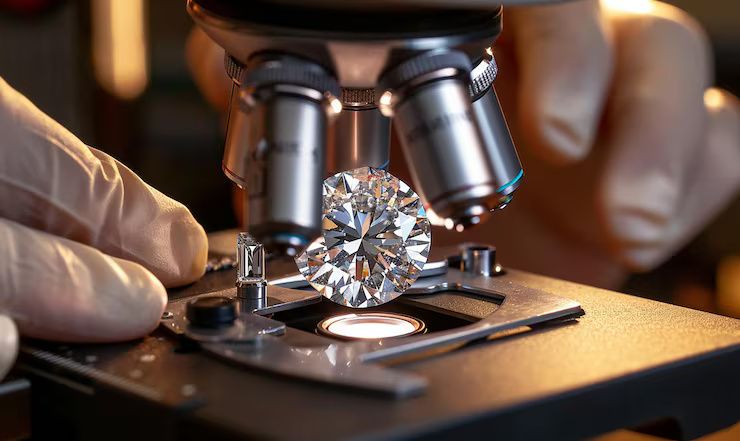
Importance: Why Lab Grown Diamonds Matter Today
Lab grown diamonds matter because they address several challenges associated with traditional diamond sourcing. As awareness of environmental responsibility, ethical supply chains, and resource efficiency increases, alternative production methods gain attention.
Key challenges addressed by lab grown diamonds include:
-
Environmental impact of mining activities
-
Uncertain supply chain traceability
-
Limited control over diamond quality
-
High resource consumption
-
Long formation timelines
For jewelry manufacturers, lab grown diamonds offer consistent quality and predictable characteristics. For industrial users, they provide reliable material properties for cutting, drilling, and electronic applications.
From a sustainability perspective, lab grown diamonds require fewer natural resources compared to traditional mining. Controlled production environments reduce land disruption and allow better energy management.
Lab grown diamonds also support technological innovation. Their use in semiconductors, lasers, and precision instruments continues to expand due to their thermal conductivity and structural stability.
As consumer awareness grows, lab grown diamonds are increasingly recognized as scientifically engineered gemstones with both aesthetic and functional value.
Recent Updates and Trends in Lab Grown Diamonds
Between mid-2025 and early-2026, several developments influenced the lab grown diamond sector.
In April 2025, advancements in CVD reactor efficiency improved crystal growth consistency. This led to better control over diamond size and clarity.
By July 2025, traceability technologies using blockchain were introduced to document production stages, enhancing transparency in diamond origin records.
In October 2025, research institutions published studies on the use of lab grown diamonds in power electronics, highlighting their potential in high-performance devices.
In January 2026, energy optimization techniques reduced production-related emissions in controlled diamond manufacturing facilities.
Summary of recent developments
| Update Area | Observed Change | Practical Impact |
|---|---|---|
| Manufacturing | Improved CVD efficiency | Better quality control |
| Traceability | Digital tracking systems | Higher transparency |
| Industrial Use | Electronics research | Expanded applications |
| Sustainability | Energy optimization | Reduced environmental footprint |
| Quality Standards | Standardized grading | Improved consistency |
These trends reflect growing technical refinement, transparency, and broader industrial integration.
Laws, Policies, and Regulatory Influence in India
In India, lab grown diamonds are regulated under existing gem, trade, and manufacturing frameworks rather than a standalone diamond-specific law.
The Foreign Trade Policy (FTP) governs the classification and movement of synthetic and laboratory-created diamonds. Lab grown diamonds are recognized as a separate category from natural diamonds for reporting and compliance purposes.
The Bureau of Indian Standards (BIS) sets quality and labeling standards for gemstones, including clarity, origin disclosure, and grading transparency.
The Consumer Protection Act, 2019 ensures that product descriptions, certifications, and disclosures related to diamonds are accurate and not misleading.
Environmental regulations under the Environment Protection Act, 1986 influence how manufacturing facilities manage energy use, emissions, and waste.
The Digital Personal Data Protection Act, 2023 also applies to gemstone certification platforms that store customer or product data digitally.
These policies encourage responsible manufacturing, accurate disclosure, and transparent trade practices in the lab grown diamond sector.
Tools and Resources for Learning and Industry Awareness
Several educational and technical resources support understanding lab grown diamonds. These tools focus on scientific processes, quality evaluation, and industry standards.
Helpful categories include:
-
Diamond grading guides
-
Manufacturing process explainers
-
Gemology learning platforms
-
Sustainability assessment tools
-
Industry certification references
Common resource types
| Resource Type | Purpose |
|---|---|
| Gemology manuals | Understand diamond properties |
| Manufacturing explainers | Learn growth processes |
| Quality grading charts | Compare clarity and cut |
| Sustainability reports | Assess environmental impact |
| Certification references | Verify grading standards |
These resources help users understand how lab grown diamonds are created and evaluated.
Core Production Methods for Lab Grown Diamonds
Lab grown diamonds are produced using two main scientific methods:
-
High Pressure High Temperature (HPHT)
Replicates natural diamond formation conditions using extreme heat and pressure. -
Chemical Vapor Deposition (CVD)
Grows diamonds from carbon-rich gas in controlled chambers.
Both methods allow precise control over diamond characteristics such as size, color, and clarity.
Lab Grown Diamonds vs Natural Diamonds
| Feature | Lab Grown Diamonds | Natural Diamonds |
|---|---|---|
| Formation | Laboratory process | Geological process |
| Time | Weeks | Billions of years |
| Traceability | High | Variable |
| Environmental impact | Lower | Higher |
| Physical properties | Identical | Identical |
Both types share the same structural and optical qualities.
Quality Grading and Certification
Lab grown diamonds are graded based on:
-
Cut
-
Color
-
Clarity
-
Carat weight
Independent gemological laboratories provide grading reports to ensure transparency.
Industrial Applications of Lab Grown Diamonds
Beyond jewelry, lab grown diamonds are used in:
-
Precision cutting tools
-
Optical lenses
-
Semiconductor devices
-
Heat dissipation systems
-
Scientific instruments
Their hardness and thermal properties make them valuable in advanced technologies.
Sustainability Considerations
Lab grown diamond production focuses on:
-
Reduced land disruption
-
Controlled energy use
-
Minimal water consumption
-
Lower material waste
Sustainability assessments help measure environmental impact.
Data Transparency and Traceability
Modern systems track:
-
Production stages
-
Material sourcing
-
Energy usage
-
Certification records
This improves accountability in diamond manufacturing.
Manufacturing Facility Standards
Facilities follow:
-
Safety protocols
-
Environmental guidelines
-
Equipment calibration rules
-
Quality control procedures
Standards ensure consistent production outcomes.
Challenges in Lab Grown Diamond Production
Common challenges include:
-
Energy efficiency management
-
Equipment maintenance
-
Crystal growth consistency
-
Market education needs
Ongoing research supports continuous improvement.
Workforce Skills in Diamond Manufacturing
Key skills include:
-
Material science knowledge
-
Equipment operation
-
Quality inspection
-
Process monitoring
Training supports production reliability.
Global Adoption Trends
Lab grown diamonds are expanding due to:
-
Technological advancements
-
Sustainability awareness
-
Industrial demand
-
Research development
Adoption continues across multiple sectors.
Educational Use of Lab Grown Diamonds
They support:
-
Scientific research
-
Material engineering studies
-
Gemology training
-
Optical technology development
Education strengthens understanding of diamond science.
Frequently Asked Questions
What are lab grown diamonds?
They are real diamonds created in laboratory environments using scientific processes.
Are lab grown diamonds physically different from natural diamonds?
No, they share the same chemical and optical properties.
How are lab grown diamonds produced?
Using HPHT or CVD methods.
Are lab grown diamonds regulated in India?
Yes, under gem trade, consumer protection, and environmental laws.
Do lab grown diamonds have industrial uses?
Yes, in electronics, tools, and scientific equipment.
Future Outlook for Lab Grown Diamonds
Future developments may include:
-
More energy-efficient reactors
-
Enhanced traceability systems
-
Expanded electronic applications
-
Improved quality standardization
These trends aim to strengthen production efficiency and transparency.
Role in Advanced Materials Science
Lab grown diamonds support:
-
High-performance electronics
-
Precision engineering
-
Optical research
-
Thermal management
Their properties make them valuable in advanced industries.
Ethical and Environmental Responsibility
Responsible production emphasizes:
-
Clear origin disclosure
-
Environmental monitoring
-
Energy optimization
-
Waste reduction
These practices support sustainable manufacturing.
Conclusion
Lab grown diamonds represent a scientifically engineered alternative to naturally formed diamonds. Created using controlled laboratory processes, they share the same physical and chemical properties as mined diamonds while offering greater traceability and production consistency.
Recent developments highlight improvements in manufacturing efficiency, sustainability practices, and industrial applications. In India, regulatory frameworks guide quality standards, consumer protection, and environmental responsibility within the gemstone sector.
As technology continues to evolve, understanding the basics, policies, and resources related to lab grown diamonds helps promote informed awareness of their role in modern materials science, jewelry manufacturing, and industrial innovation.