Labeling Machines Overview: Insights, Helpful Tips, and Packaging Industry Facts
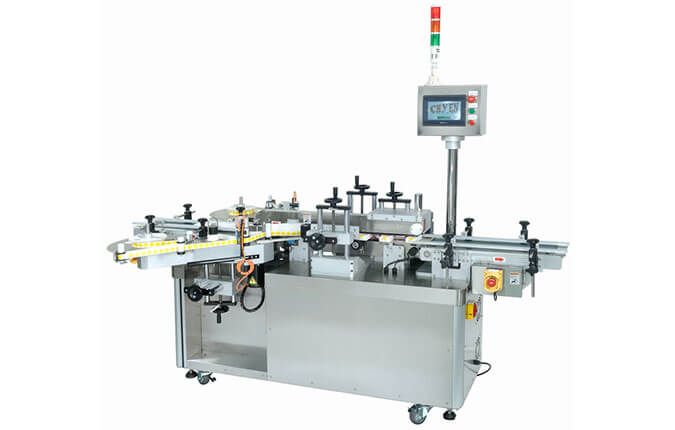
Labeling machines are automated systems used to apply labels onto products, containers, or packages during the packaging process. They are widely used across industries such as food processing, pharmaceuticals, logistics, cosmetics, and consumer goods manufacturing. The main function of these machines is to ensure that each product carries clear identification, branding, and regulatory information.
In a modern production environment, packaging automation plays a critical role in maintaining accuracy and consistency. Labeling machines help achieve this by placing labels precisely on bottles, cartons, jars, pouches, and other packaging formats. As supply chains grow more complex and global distribution increases, labeling technology supports product traceability, inventory tracking, and standardized product information.
Industrial labeling technology typically works alongside other packaging systems, including filling machines, sealing equipment, and barcode printing systems. Together, these systems form a streamlined packaging line where products move through multiple automated steps before reaching distribution channels.
Different types of labeling machines are designed to handle specific packaging requirements. Common configurations include:
-
Automatic labeling systems used in high-volume manufacturing environments
-
Semi-automatic labeling equipment suited for smaller production batches
-
Wrap-around labeling machines for cylindrical containers
-
Front and back labeling machines for bottles or containers with flat surfaces
-
Top labeling equipment used for cartons, trays, or boxes
The development of smart packaging automation has also introduced technologies such as barcode labeling, QR code printing, and variable data labeling. These features support digital product tracking and provide essential information for both businesses and consumers.
Why Labeling Machines Matter in Today’s Industry
Labeling systems play an important role in ensuring that products are accurately identified throughout manufacturing, distribution, and retail environments. As industries expand globally, clear product labeling has become essential for maintaining compliance, safety, and traceability.
One key benefit of automated labeling equipment is improved operational efficiency. Manual labeling processes can lead to inconsistencies or slower production speeds, especially when handling large volumes of products. Industrial labeling automation helps maintain consistent placement, reduces errors, and allows production lines to operate smoothly.
Another important aspect is product traceability. Modern supply chains depend on accurate labeling information such as batch numbers, serial numbers, manufacturing details, and expiration dates. Barcode labeling machines and digital printing systems allow manufacturers to track products through logistics networks and identify potential quality issues quickly.
Several industries rely heavily on labeling accuracy:
- Pharmaceutical manufacturing, where packaging compliance and medication identification are essential
- Food processing and beverage production, where ingredient information and expiration labeling support consumer safety
- Logistics and warehousing, where barcode labels assist with inventory management systems
- Cosmetics and personal care packaging, where product labeling provides ingredient transparency
Labeling machines also help businesses maintain standardized packaging across multiple product lines. Consistent label placement supports professional packaging design and helps consumers easily identify product information.
In addition, the growth of e-commerce and global distribution networks has increased the need for efficient labeling systems that can handle variable packaging sizes and digital tracking codes.
Trends and Developments in Labeling Technology
Recent developments in packaging automation have introduced new capabilities in labeling equipment. Industrial labeling systems are increasingly integrated with digital production software, allowing manufacturers to monitor packaging performance and labeling accuracy in real time.
Smart labeling technology has expanded significantly as companies adopt data-driven manufacturing practices. Sensors and machine-vision systems are now used in many labeling machines to detect label placement, verify printed information, and prevent packaging errors. These systems help maintain quality standards across high-speed production lines.
Another emerging trend is the use of sustainable labeling materials. Packaging industries are exploring recyclable adhesives, biodegradable label substrates, and eco-friendly printing methods. These developments support broader sustainability goals within manufacturing and packaging operations.
Digital printing and variable data labeling are also becoming more common. With this technology, manufacturers can print unique information on each product label, including serial numbers, tracking codes, or regional compliance data. This flexibility helps manufacturers adapt packaging information for different markets and regulatory requirements.
Automation systems have also evolved to support modular packaging lines. Modern labeling equipment can integrate with robotic packaging systems, conveyor automation, and cloud-based monitoring tools. This allows production managers to track equipment performance, detect bottlenecks, and improve packaging efficiency.
In addition, many labeling systems now support multiple label formats and packaging shapes, enabling manufacturers to adjust production lines more easily when launching new product variants.
Regulatory and Compliance Considerations
Product labeling is often regulated by national and international authorities to ensure transparency, consumer safety, and fair trade practices. Labeling machines play a critical role in helping manufacturers comply with these requirements by applying accurate information consistently across production batches.
Different industries have specific labeling guidelines. For example, pharmaceutical packaging often requires detailed information such as dosage instructions, ingredient lists, batch numbers, and expiration dates. Labeling systems ensure this information is applied clearly and consistently.
Food packaging regulations also require accurate ingredient labeling, allergen disclosure, and nutritional information. Automated labeling systems reduce the risk of incorrect labeling and support compliance with food safety standards.
In many countries, labeling must also support product traceability. Batch codes and barcodes enable authorities and manufacturers to identify product origins in case of quality concerns or safety investigations.
Common regulatory considerations related to labeling include:
- Product identification and traceability requirements
- Ingredient disclosure and safety information
- Expiration date labeling standards
- Barcode and product tracking codes
- Language and packaging information standards
Manufacturers often integrate labeling systems with production databases to ensure the correct product data is printed and applied during packaging operations. This integration helps maintain accurate records and simplifies compliance documentation.
Helpful Tools and Resources for Labeling Operations
Modern packaging environments often use a variety of tools and digital systems to support labeling workflows. These tools help manage label design, production data, packaging efficiency, and regulatory compliance.
Several commonly used tools include:
- Barcode generation software for creating machine-readable product identifiers
- Label design applications used to organize text, graphics, and packaging layouts
- Packaging automation monitoring dashboards that track machine performance
- Inventory management systems integrated with barcode labeling technology
- Batch coding and serialization platforms used for product traceability
Many manufacturing facilities also use production analytics software to monitor labeling accuracy and equipment performance. These tools help identify inefficiencies and improve packaging line productivity.
The following table illustrates typical labeling technologies used in industrial packaging environments.
| Labeling Technology | Typical Use Case | Key Benefit |
|---|---|---|
| Wrap-around labeling | Bottles and cylindrical containers | Continuous label coverage |
| Front and back labeling | Flat containers or jars | Dual-side product information |
| Top labeling systems | Boxes or trays | Quick product identification |
| Barcode labeling systems | Logistics and inventory | Digital product tracking |
| Variable data labeling | Serialized product packaging | Unique product identification |
Another useful resource in packaging operations is production monitoring dashboards. These systems collect machine data and display metrics such as labeling speed, accuracy rates, and production output.
Below is an example of how labeling performance metrics might be tracked within a packaging environment.
| Metric | Example Indicator |
|---|---|
| Label placement accuracy | Percentage of correctly positioned labels |
| Packaging line speed | Units processed per minute |
| Label verification rate | Machine-vision inspection success |
| Downtime monitoring | Minutes of labeling system inactivity |
By analyzing these metrics, manufacturers can improve packaging automation strategies and maintain consistent labeling performance.
Frequently Asked Questions
What is the main function of a labeling machine?
A labeling machine automatically applies labels to products or packaging containers. These labels typically include product identification, barcodes, ingredients, manufacturing information, and compliance details.
Where are labeling machines commonly used?
Labeling machines are used across many industries, including food processing, pharmaceuticals, cosmetics, logistics, and consumer goods manufacturing. Any industry that requires consistent product labeling can benefit from automated labeling equipment.
How do barcode labeling systems help supply chains?
Barcode labeling systems enable digital product tracking across manufacturing, warehousing, and distribution networks. Each barcode contains data that can be scanned and recorded in inventory management systems.
What types of packaging can labeling machines handle?
Labeling machines are designed to work with a wide range of packaging formats such as bottles, jars, cartons, boxes, pouches, and containers. Specialized equipment is available for cylindrical, flat, or irregularly shaped packaging.
How do labeling systems support regulatory compliance?
Labeling systems help ensure that required product information is applied accurately during packaging. This supports compliance with regulations related to ingredient disclosure, expiration dates, product identification, and traceability.
Conclusion
Labeling machines have become a fundamental part of modern packaging automation. By applying accurate labels quickly and consistently, these systems help manufacturers maintain efficient production lines while ensuring that products carry essential identification and regulatory information.
Industrial labeling technology supports many important functions, including product traceability, supply chain visibility, and standardized packaging design. As manufacturing processes continue to evolve, labeling equipment is increasingly integrated with digital monitoring systems, barcode technology, and automated packaging lines.
Advancements in smart labeling, sustainable materials, and variable data printing are also shaping the future of packaging operations. These innovations allow manufacturers to improve packaging flexibility while maintaining compliance with regulatory standards.
Overall, labeling machines contribute to safer products, clearer consumer information, and more efficient industrial packaging processes. As packaging industries continue to adopt automation and data-driven manufacturing practices, labeling systems will remain an essential component of modern production environments.