Laboratory Testing Equipment: Learn About Equipment Types, Functions, and Techniques
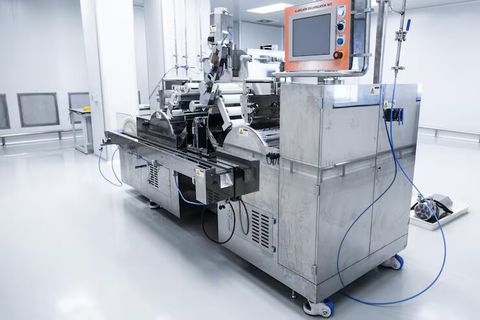
Laboratory testing equipment refers to instruments, machines, and supporting devices used to examine materials, substances, products, samples, and environmental conditions.
Laboratory testing equipment is used in educational institutions, research facilities, manufacturing laboratories, environmental laboratories, food laboratories, healthcare-related research, and industrial quality-control environments.
The development of laboratory equipment is closely connected with the history of scientific measurement. Early laboratories relied on simple balances, glass containers, thermometers, microscopes, and other basic instruments. As scientific methods became more precise, equipment evolved to provide controlled conditions, accurate measurements, and repeatable testing procedures.
Modern laboratory testing equipment ranges from relatively simple measuring devices to computer-controlled analytical instruments. The equipment selected for a laboratory depends on the type of sample, testing method, measurement range, environmental conditions, and required level of accuracy.
What Laboratory Testing Equipment Does
Laboratory equipment can perform several different functions. Some instruments measure physical properties, while others examine chemical composition, temperature, pressure, moisture, electrical characteristics, or mechanical behavior.
Common categories include:
- Analytical balances for precise mass measurement
- Microscopes for examining small structures
- Spectrometers for studying interactions between matter and electromagnetic radiation
- pH meters for measuring acidity or alkalinity
- Centrifuges for separating components of mixtures
- Ovens and furnaces for controlled heating
- Incubators for maintaining controlled temperature conditions
- Chromatography systems for separating and analyzing compounds
- Mechanical testing machines for evaluating material properties
- Environmental chambers for controlled temperature and humidity testing
Laboratories may combine several types of instruments because a single test can involve preparation, measurement, analysis, and documentation.
Basic Laboratory Equipment Categories
Laboratory testing equipment can be grouped according to the type of measurement or testing activity.
| Equipment Category | Main Function | Typical Application |
|---|---|---|
| Analytical Equipment | Measures chemical or physical properties | Sample analysis |
| Measurement Equipment | Determines dimensions or quantities | Calibration and testing |
| Thermal Equipment | Controls or measures temperature | Heating and stability tests |
| Mechanical Equipment | Applies controlled physical forces | Material testing |
| Separation Equipment | Separates components | Sample preparation |
| Microscopy Equipment | Magnifies small structures | Material and biological examination |
| Environmental Equipment | Controls test conditions | Temperature and humidity testing |
These categories can overlap. For example, an instrument may combine temperature control, measurement, automated data collection, and computer-based analysis.
Importance
Laboratory testing equipment plays an important role in understanding whether materials, products, samples, and processes meet defined technical requirements. Testing can provide measurements that support research, manufacturing decisions, environmental studies, and scientific investigations.
In manufacturing, laboratory equipment can be used to examine incoming materials, monitor production samples, and investigate changes in finished products. In educational settings, laboratory instruments help students understand scientific principles through controlled experiments.
Supporting Accurate Measurement
Measurements are useful only when the equipment and testing procedure are appropriate for the intended purpose. Factors such as calibration, environmental conditions, sample preparation, operator technique, and instrument resolution can influence results.
For this reason, laboratories commonly establish procedures covering:
- Sample identification
- Sample preparation
- Instrument setup
- Calibration
- Measurement conditions
- Data recording
- Cleaning and maintenance
- Result verification
- Storage of test records
A measurement result is normally interpreted together with the method used to obtain it. This helps distinguish a simple instrument reading from a properly controlled laboratory test.
Applications Across Industries
Laboratory testing equipment is used in many fields. Materials laboratories may examine metals, polymers, ceramics, composites, coatings, and construction materials. Food laboratories can examine physical and chemical characteristics of food samples, while environmental laboratories may analyze water, soil, air, or other environmental samples.
Research laboratories also use specialized equipment to investigate new materials, chemical reactions, physical phenomena, and manufacturing processes.
Importance of Controlled Conditions
Some tests require carefully controlled surroundings. Temperature, humidity, vibration, lighting, pressure, and contamination can affect certain measurements.
Environmental chambers, clean work areas, controlled heating systems, and monitoring instruments help laboratories maintain appropriate conditions. The required conditions depend on the testing method and the properties being measured.
Recent Updates
Laboratory testing equipment is increasingly influenced by automation, digital measurement, connected instruments, data management, artificial intelligence-assisted analysis, and improved laboratory workflows.
Automation and Digital Measurement
Modern laboratory instruments often include digital displays, automated sample handling, programmable test sequences, and electronic data recording. Automation can reduce repetitive manual steps and provide consistent execution of defined procedures.
Some systems can automatically record measurement values and associate them with sample identification information. This can simplify data organization and reduce transcription errors.
Connected Laboratory Systems
Laboratory instruments can increasingly communicate with computers and laboratory information management systems. This allows test data to move electronically between instruments, databases, reports, and other laboratory records.
Connected systems can also provide information about instrument status, calibration records, test history, and sample progress.
Artificial Intelligence and Data Analysis
Artificial intelligence and machine-learning methods are being explored for pattern recognition, image analysis, anomaly detection, and interpretation of large datasets. These technologies can assist with tasks such as analyzing microscope images or identifying patterns in instrument-generated data.
However, automated analysis still depends on appropriate datasets, validation procedures, testing methods, and human review. The role of such technology varies considerably between laboratory applications.
Miniaturized and Portable Instruments
Another continuing development is the reduction in size of certain analytical and measurement instruments. Portable equipment can allow measurements to be performed closer to the sample location rather than requiring every sample to be transported to a central laboratory.
Portable instruments can be useful for field measurements, preliminary assessments, environmental monitoring, and industrial inspections. Their measurement capabilities and limitations depend on the specific design.
Energy and Resource Management
Laboratories are also paying greater attention to energy use, equipment standby modes, water consumption, consumable use, and laboratory waste. Equipment manufacturers and laboratory operators are examining ways to maintain controlled testing environments while managing resource requirements.
Laws or Policies
Laboratory testing equipment in India is influenced by measurement standards, laboratory accreditation requirements, electrical and workplace safety rules, environmental regulations, and industry-specific testing requirements.
The exact requirements depend on the type of laboratory, testing activity, equipment, sample, and intended use of the results.
Laboratory Accreditation
The National Accreditation Board for Testing and Calibration Laboratories, commonly known as NABL, operates under the Quality Council of India and provides accreditation frameworks for testing and calibration laboratories.
Laboratories seeking accreditation generally need to demonstrate competence through documented procedures, qualified personnel, suitable equipment, calibration arrangements, controlled records, and appropriate testing methods.
ISO/IEC 17025 is a major international standard associated with the competence of testing and calibration laboratories. It addresses areas such as impartiality, competence, equipment, measurement traceability, test methods, reporting, and management systems.
Measurement and Calibration
Calibration is important because laboratory instruments can change over time. Calibration compares an instrument or measurement system against a reference with known characteristics.
In India, measurement-related activities can also be influenced by legal metrology requirements where applicable. The specific rules depend on the type of measuring instrument and its intended use.
Safety Requirements
Laboratories may need to address electrical safety, chemical handling, fire protection, pressure hazards, radiation risks, biological hazards, ventilation, and waste management depending on their activities.
Applicable requirements can involve central and state authorities, workplace regulations, environmental rules, and sector-specific standards. Laboratories should use the regulations applicable to their particular activities rather than relying on a single general requirement.
Tools and Resources
Several resources can help students, laboratory personnel, researchers, and general readers understand laboratory testing equipment and measurement practices.
Calibration Resources
Calibration records, reference materials, certificates, and measurement standards are important resources for laboratories that depend on reliable measurements. Calibration intervals are determined according to instrument characteristics, usage, environmental conditions, previous performance, and applicable procedures.
Testing Standards
Organizations such as ISO, ASTM International, IEC, BIS, and other technical bodies publish standards covering test methods, materials, measurement procedures, electrical equipment, and laboratory practices.
The appropriate standard depends on the sample and measurement being performed.
Laboratory Information Management Systems
Laboratory information management systems, commonly called LIMS, can organize sample identification, test assignments, measurement records, reports, and other laboratory information.
These systems are particularly useful when laboratories handle large numbers of samples or multiple testing procedures.
Common Measurement Tools
Laboratories may use basic tools alongside advanced instruments. Examples include:
- Digital thermometers
- Pressure gauges
- Calipers and micrometers
- Timers
- pH meters
- Moisture meters
- Data loggers
- Reference weights
- Measuring cylinders
- Pipettes
The suitability of a tool depends on its measurement range, resolution, calibration status, environmental conditions, and intended testing method.
Equipment Selection Factors
When laboratory testing equipment is evaluated, several technical characteristics are commonly considered. These include measurement range, resolution, repeatability, accuracy specifications, sample capacity, environmental requirements, data-recording capabilities, and compatibility with the intended test method.
| Factor | General Meaning |
|---|---|
| Measurement Range | Values the instrument can measure |
| Resolution | Smallest displayed or detected increment |
| Repeatability | Consistency of repeated measurements |
| Calibration | Comparison with a measurement reference |
| Sample Capacity | Number or amount of samples accommodated |
| Environmental Conditions | Temperature, humidity, vibration, or other surroundings |
| Data Handling | Methods used to record and analyze results |
Understanding these characteristics helps explain why laboratories use different instruments for different testing requirements.
FAQs
What is laboratory testing equipment?
Laboratory testing equipment includes instruments and devices used to measure, analyze, examine, or control samples and materials. Examples include balances, microscopes, ovens, centrifuges, spectrometers, pH meters, and mechanical testing machines.
What are the main types of laboratory testing equipment?
Common categories include analytical instruments, measurement devices, thermal equipment, mechanical testing machines, separation equipment, microscopy systems, and environmental testing equipment. The appropriate category depends on the type of test being performed.
How is laboratory testing equipment calibrated?
Calibration involves comparing an instrument's measurement with an appropriate reference or standard. The procedure, reference material, frequency, and acceptance criteria depend on the instrument and applicable laboratory method.
Why is laboratory testing equipment important?
Laboratory testing equipment provides measurements used to study materials, samples, products, and processes. Properly controlled testing can support scientific research, manufacturing evaluation, environmental analysis, and educational experiments.
What standards apply to laboratory testing equipment in India?
Requirements vary according to the laboratory and testing activity. ISO/IEC 17025 is widely associated with testing and calibration laboratory competence, while BIS, IEC, ASTM, and other standards may apply to particular equipment or testing methods.
Conclusion
Laboratory testing equipment includes a broad range of instruments used for measurement, analysis, sample preparation, and controlled experimentation. Modern laboratories increasingly use automation, digital data systems, connected instruments, portable devices, and computer-assisted analysis. Calibration, appropriate test methods, controlled conditions, and accurate recordkeeping remain important parts of laboratory measurement. Applicable standards and regulatory requirements depend on the laboratory's activities, equipment, and intended use of test results.