Laser Hair Removal Basics: A Beginner’s Guide to Smooth, Hair-Free Skin
Laser hair removal is a cosmetic procedure designed to reduce or eliminate unwanted body and facial hair using concentrated beams of light. The process involves targeting the melanin (pigment) in hair follicles with a laser, which damages the follicle to inhibit future hair growth.
Initially developed in the 1960s and becoming more widely available in the 1990s, laser hair removal has evolved into one of the most common non-surgical aesthetic procedures. It's performed in medical clinics, dermatology centers, and even at home using handheld devices.
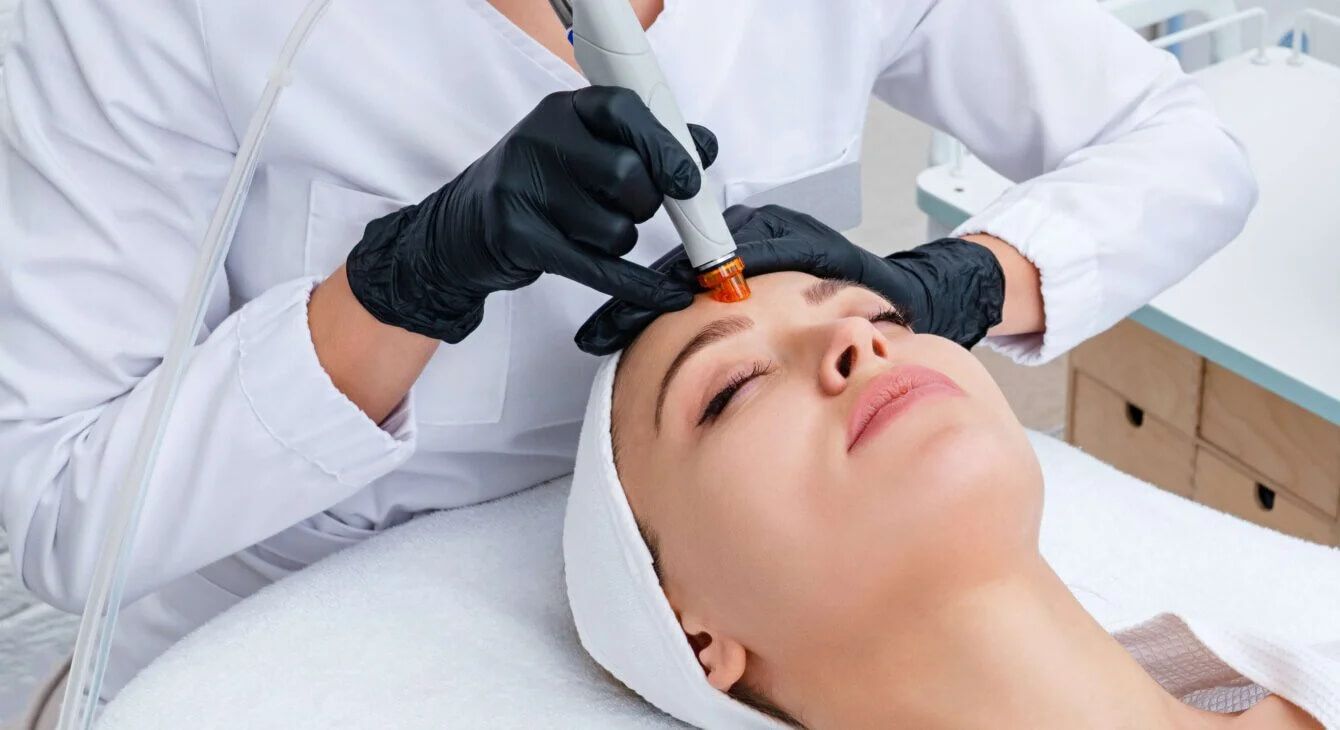
It exists as an alternative to traditional hair removal methods like shaving, waxing, threading, or depilatory creams. While those methods are temporary and often need frequent repetition, laser treatment aims to offer longer-lasting results with less effort over time.
Why Laser Hair Removal Matters Today
Unwanted hair growth can be a concern for various reasons—cosmetic preferences, cultural standards, gender identity, or medical conditions such as hirsutism or polycystic ovary syndrome (PCOS). Laser hair removal can help address those concerns by offering:
-
Long-Term Reduction: Many people experience permanent hair reduction after multiple sessions.
-
Time-Saving Benefits: Less frequent maintenance is needed compared to daily shaving or monthly waxing.
-
Skin Comfort: It helps reduce ingrown hairs and skin irritation common with other removal techniques.
-
Accessibility: Treatments are now more widely available and customizable for different skin tones and hair types.
Laser hair removal affects a broad demographic men and women, people of all skin tones, and individuals seeking either aesthetic improvement or relief from hair-related conditions.
Recent Updates and Trends (2024–2025)
Several developments in the past year have shaped the field of laser hair removal:
-
Advancements in Laser Technology (2024): Newer diode and Nd:YAG lasers offer improved safety and effectiveness for darker skin tones, which were previously at higher risk for side effects like burns or hyperpigmentation.
-
Home Laser Devices Gaining Popularity: In 2024, consumer interest in at-home laser devices (e.g., Tria Beauty, Braun Silk-expert) increased due to convenience and affordability. However, these are typically less powerful than professional systems.
-
Rising Demand Among Men: Market data from early 2025 indicates growing interest among men for laser treatment on areas like the chest, back, and beard lines.
-
Inclusive Marketing and Services: Clinics are focusing more on inclusive campaigns, offering services for transgender individuals and diverse skin tones.
These changes reflect broader trends toward personalization, inclusivity, and convenience in cosmetic treatments.
Laws, Regulations, and Safety Policies
Laser hair removal is regulated differently depending on the country or region. Understanding the legal and safety framework can help ensure informed and safe decisions:
| Country | Regulation Body | Key Rules |
|---|---|---|
| United States | FDA (Food and Drug Administration) | Devices must be FDA-approved. Operators may need state-specific licenses. |
| United Kingdom | Care Quality Commission (CQC) | Clinics must register with CQC if offering treatments with medical lasers. |
| India | CDSCO (Central Drugs Standard Control) | Devices require import licensing; dermatologists or trained technicians only. |
| Australia | TGA (Therapeutic Goods Administration) | Devices must meet TGA safety standards; state rules vary by location. |
-
Conduct a patch test before full treatment.
-
Wear protective eye gear during the procedure.
-
Avoid sun exposure before and after sessions.
-
Do not use on tattooed or irritated skin.
-
Choose certified professionals with proper training.
Useful Tools and Resources
Whether you're considering professional treatment or exploring home options, these tools and resources can help guide you:
Websites & Platforms
-
American Academy of Dermatology (aad.org) – Offers educational content on laser procedures.
-
NHS UK (nhs.uk) – Provides guidance on cosmetic treatments, safety, and risks.
-
PubMed & ResearchGate – For evidence-based studies on laser technologies.
Skin Tone Compatibility Tools
-
Fitzpatrick Skin Type Scale – Helps determine skin type and match suitable lasers.
| Fitzpatrick Type | Skin Characteristics | Suitable Laser Types |
|---|---|---|
| I–III | Fair to light brown skin | Alexandrite, Diode |
| IV–VI | Medium brown to dark skin | Nd:YAG, Diode with cooling |
-
SkinVision – While mainly for skin checks, it helps track skin reactions.
-
MyLaserDiary – Helps log sessions, side effects, and results over time.
Home Devices
-
Philips Lumea
-
Braun Silk-expert Pro
-
Tria Beauty Hair Removal Laser 4X
Note: Always consult a dermatologist before using home devices, especially if you have dark skin, sensitive areas, or underlying conditions.
Frequently Asked Questions (FAQs)
Q1. Is laser hair removal permanent?
Not always. It offers long-term hair reduction, not total removal. After 6–8 sessions, many people experience up to 90% reduction. Occasional touch-ups may be needed.
Q2. Does laser hair removal work on all hair colors?
It works best on dark hair with high melanin. Blonde, red, gray, or white hair may not respond well since lasers rely on pigment contrast.
Q3. Is the procedure painful?
It varies by person. Most describe it as a rubber band snap or mild pinching. Cooling systems or numbing creams can reduce discomfort.
Q4. Are there side effects?
Temporary redness, swelling, or mild irritation are common. Rare effects include burns, hyperpigmentation, or scarring, especially on darker skin tones if not done properly.
Q5. Can it be used on sensitive areas?
Yes, common treatment areas include the face, underarms, bikini line, legs, and back. Professionals adjust laser intensity for delicate zones.
Final Thoughts
Laser hair removal is an increasingly popular method for long-term hair reduction, offering a convenient solution for those seeking smoother skin. As technology evolves and accessibility improves, the procedure is becoming safer, more inclusive, and more efficient.
However, it’s important to understand the basics how it works, whether you're a good candidate, what safety measures to follow, and how regulations apply in your region. Using professional advice, quality tools, and reliable resources can make the journey smoother and safer.
Before deciding, consider consulting with a dermatologist or licensed technician to evaluate your skin and hair type compatibility.