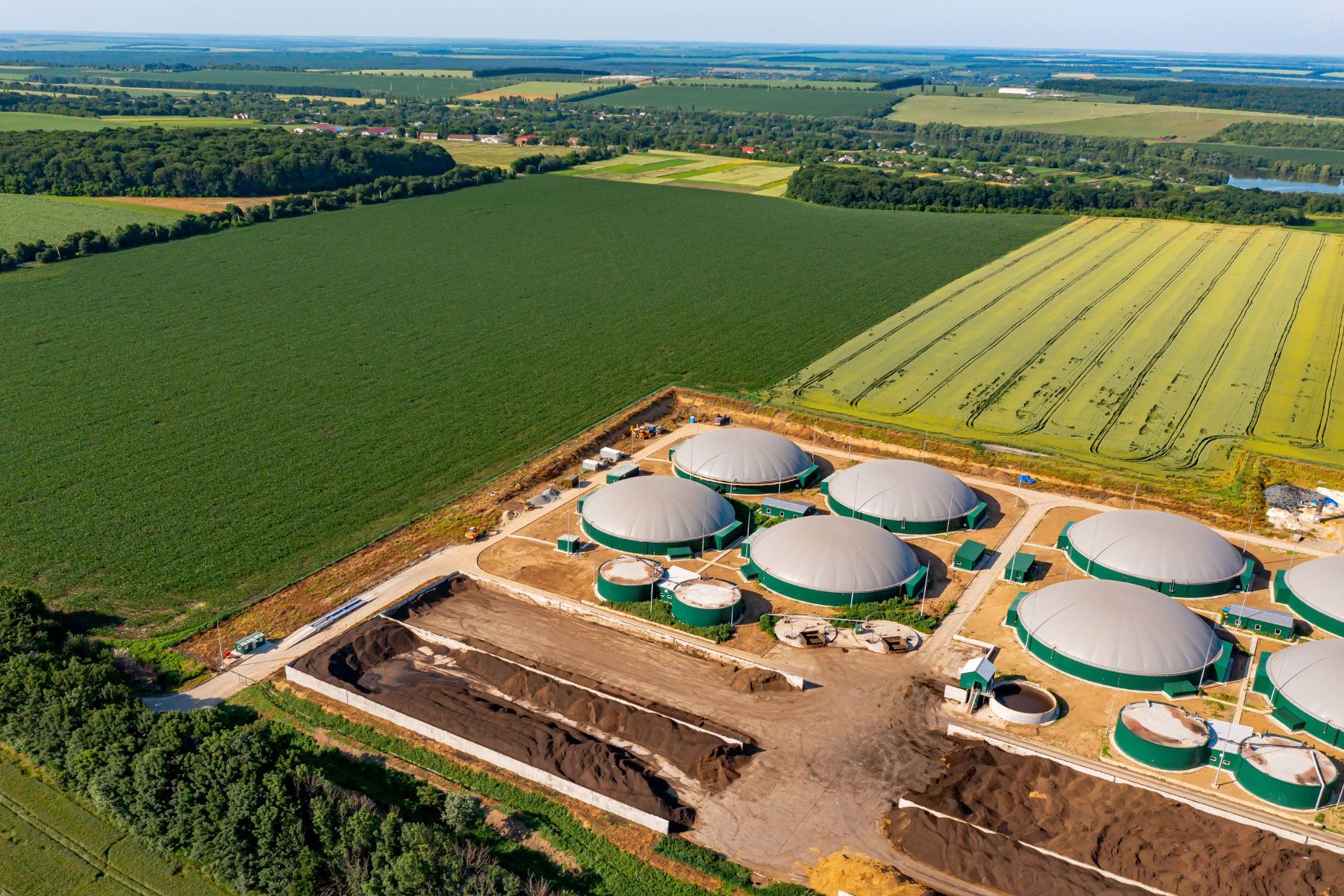
Recent developments in biogas technology highlight improvements in efficiency, monitoring, and scalability.
One noticeable trend is the growth of compressed biogas systems. Upgraded biogas, often referred to as renewable natural gas, is being purified and compressed for transport fuel applications. This aligns with global low-carbon fuel standards and sustainable transportation initiatives.
Digital monitoring tools have also advanced. Smart sensors now measure methane concentration, temperature stability, and pH levels in real time. These innovations improve operational efficiency and reduce system downtime.
Other notable trends include:
• Expansion of community-scale biogas plants
• Integration with smart grid systems
• Improved biogas purification membranes
• Greater focus on industrial food waste digestion
• Investment in carbon credit markets linked to methane reduction
Financial institutions increasingly recognize renewable energy infrastructure as a stable long-term investment category. Sustainable infrastructure funding and climate-focused financing mechanisms have contributed to new biogas project development.
Technological research is also focused on improving feedstock flexibility, allowing plants to process mixed organic waste streams more effectively.
Laws, Regulations, and Government Programs
Biogas production units operate within environmental and energy regulatory frameworks. These policies vary by country but generally focus on renewable energy targets, environmental protection, and waste management compliance.
In India, national renewable energy missions encourage decentralized clean energy solutions. Programs supporting compressed biogas development are integrated into broader sustainable mobility strategies. Environmental regulations also require proper waste disposal practices, which favor anaerobic digestion over landfill dumping.
In the European Union, renewable energy directives promote biomethane injection into natural gas grids. Waste framework directives emphasize organic waste segregation, which supports biogas feedstock availability.
In the United States, renewable fuel standards recognize renewable natural gas derived from biogas as a low-carbon fuel pathway. Environmental protection guidelines regulate emissions, digester safety, and nutrient management.
Common regulatory aspects include:
• Environmental clearance and pollution control approvals
• Feed-in tariffs or renewable energy incentives
• Waste segregation mandates
• Safety standards for gas storage and compression
• Carbon credit eligibility requirements
Compliance ensures environmental safety, operational transparency, and alignment with national clean energy strategies.
Tools, Software, and Helpful Resources
Modern biogas production units rely on technical tools and digital systems for planning and optimization.
Useful tools and resources include:
• Biogas production calculators for estimating methane yield
• Feedstock assessment templates
• Carbon footprint estimation software
• Renewable energy project financial modeling tools
• Waste audit checklists
• SCADA-based monitoring systems for large plants
Universities and renewable energy research institutions publish technical guides on anaerobic digestion system design. Agricultural extension services often provide knowledge resources for small-scale digester setups.
Some governments also provide standardized design manuals for household and community biogas units. Engineering simulation software assists in system sizing and temperature control modeling.
Below is a simplified comparison of biogas plant types:
| Plant Type | Scale | Common Feedstock | Typical Application |
|---|
| Household Digester | Small | Animal manure | Cooking fuel |
| Farm-Based Unit | Medium | Livestock waste, silage | Electricity & heat |
| Industrial Biogas Plant | Large | Food waste, sludge | Grid injection |
| Compressed Biogas Unit | Large | Mixed organic waste | Transport fuel |
Biogas yield depends on feedstock composition. For example:
| Feedstock Type | Methane Potential (m³/ton approx.) |
|---|
| Cow Manure | 20–30 |
| Food Waste | 80–120 |
| Poultry Litter | 60–90 |
| Sewage Sludge | 50–70 |
These figures are general estimates and vary based on digestion conditions.
Frequently Asked Questions
What is the main component of biogas?
Biogas primarily consists of methane and carbon dioxide. Methane is the energy-rich component that can be used for electricity generation, heating, or vehicle fuel after purification.
How long does anaerobic digestion take?
The digestion process typically takes several weeks, depending on temperature, feedstock type, and system design. Mesophilic systems operate at moderate temperatures, while thermophilic systems function at higher temperatures and may process waste faster.
Is biogas considered carbon neutral?
Biogas is often regarded as a low-carbon renewable energy source because the carbon released during combustion originates from recently absorbed atmospheric carbon in organic materials.
Can biogas replace natural gas?
Upgraded biogas, known as biomethane or renewable natural gas, can be injected into natural gas grids if it meets quality standards. This makes it compatible with existing infrastructure.
What happens to the leftover material after digestion?
The residual material, called digestate, is nutrient-rich and commonly used as an organic soil amendment in agriculture.
Conclusion
Biogas production units represent an important intersection of renewable energy technology, sustainable waste management, and climate change mitigation. By converting organic waste into methane-rich fuel and valuable fertilizer, anaerobic digestion systems contribute to the circular economy.
Growing global interest in renewable energy infrastructure, carbon emission reduction strategies, and decentralized energy systems has strengthened the relevance of biogas technology. Advancements in digital monitoring, biogas upgrading, and compressed biomethane applications continue to improve system efficiency and scalability.
Understanding regulatory frameworks, available technical tools, and feedstock characteristics is essential for evaluating the feasibility of biogas projects. With the right design, policy alignment, and operational knowledge, biogas production units can play a meaningful role in sustainable energy transitions.
This in-depth guide aims to provide clear, neutral, and educational insights into how biogas systems function and why they are increasingly important in modern energy and environmental strategies.