Learn About Biometric Attendance Systems: Information, Resources, and Usage Guide
Biometric attendance systems are digital solutions that record employee presence using unique biological traits. These systems rely on identifiers such as fingerprints, facial recognition, iris scans, or palm geometry to verify identity. Unlike traditional manual registers or swipe cards, biometric systems authenticate individuals based on characteristics that are difficult to duplicate.
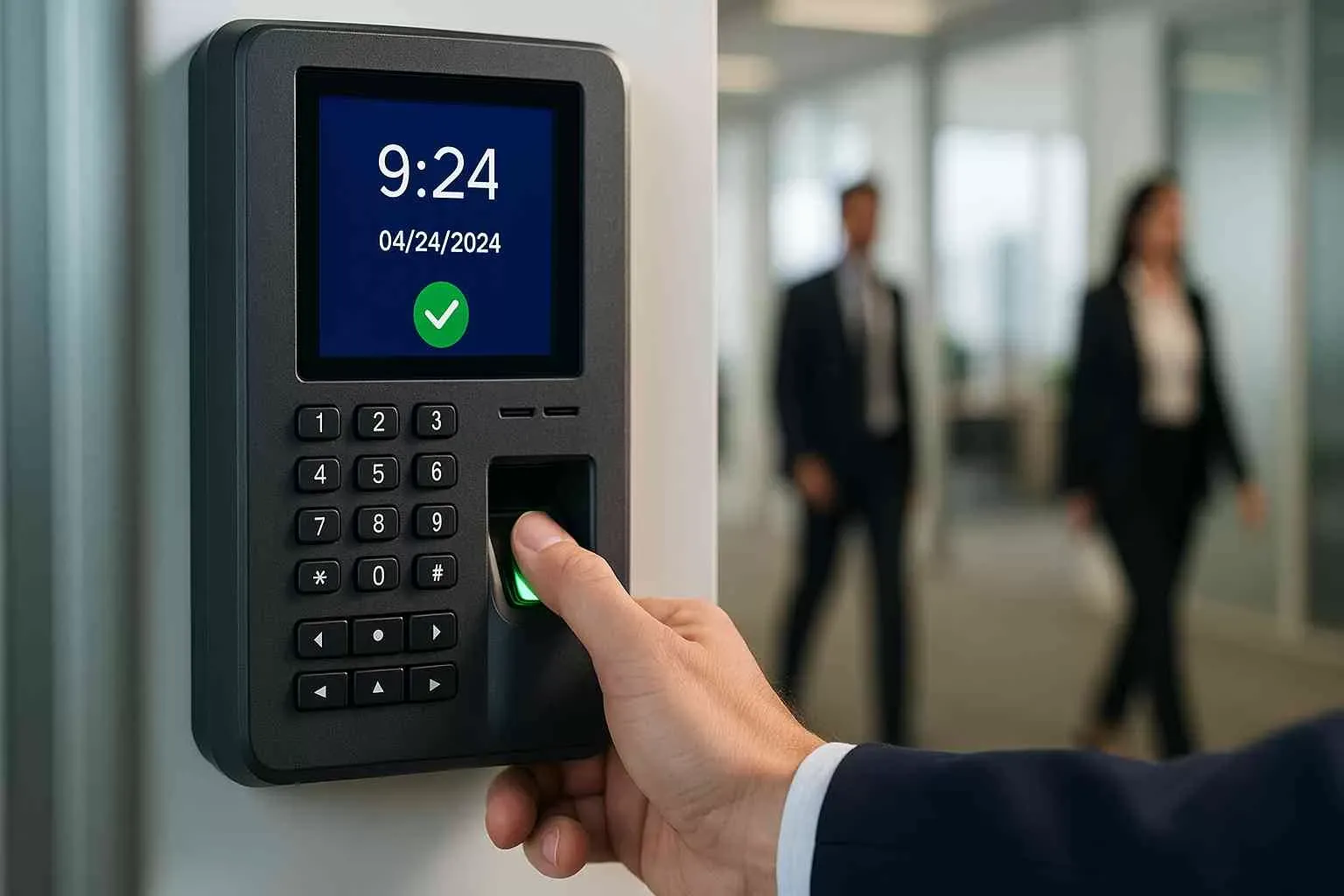
The concept emerged to address inaccuracies in attendance tracking. Traditional methods allowed errors such as proxy attendance, misplaced cards, or incorrect manual entries. Biometric technology was introduced to provide secure authentication, automated time tracking, and structured workforce data management.
Today, biometric attendance systems are widely used across corporate offices, educational institutions, manufacturing facilities, healthcare centers, and government departments. They combine biometric authentication technology with cloud-based HR software, payroll integration tools, and workforce analytics platforms.
These systems exist primarily to ensure accurate time tracking, enhance security, and support digital record management in modern organizations.
Why Biometric Attendance Systems Matter Today
In an era of digital transformation and remote workforce management, organizations require reliable attendance tracking systems. Biometric attendance systems address several key operational challenges:
• Elimination of buddy punching or proxy attendance
• Reduction of manual errors in payroll processing
• Improved workforce productivity monitoring
• Enhanced workplace security and access control
• Real-time employee attendance reports
Businesses increasingly depend on accurate time and attendance management software for compliance, payroll automation, and human resource analytics. Incorrect attendance data can lead to payroll discrepancies, overtime miscalculations, and administrative inefficiencies.
Industries most affected include:
• Manufacturing and industrial operations
• Corporate enterprises and IT companies
• Government offices
• Healthcare institutions
• Educational organizations
The growing adoption of cloud-based HR management systems has further increased the relevance of biometric attendance tracking. With remote and hybrid work models, organizations now use facial recognition attendance systems integrated with mobile devices for distributed teams.
The system supports high CPC areas such as payroll management software, HR compliance solutions, workforce analytics tools, identity verification systems, and enterprise access control systems.
Recent Developments and Trends
Biometric attendance technology continues to evolve alongside artificial intelligence and cybersecurity advancements.
Recent trends include:
AI-Powered Facial Recognition
Facial recognition attendance systems now use artificial intelligence to improve accuracy under varying lighting conditions and facial angles.
Contactless Biometric Systems
Health and hygiene considerations have increased the use of touchless biometric devices, particularly facial and iris recognition systems.
Cloud Integration and SaaS Platforms
Cloud-based attendance management platforms enable real-time reporting, remote monitoring, and integration with enterprise resource planning (ERP) systems.
Mobile Biometric Authentication
Organizations increasingly use smartphone-based biometric authentication, combining geolocation tracking and identity verification.
Data Encryption Enhancements
Advanced encryption protocols are being implemented to protect sensitive biometric data and reduce cybersecurity risks.
Below is a simplified comparison of traditional attendance systems and biometric systems:
| Feature | Traditional Systems | Biometric Systems |
|---|---|---|
| Identity Verification | Card or PIN | Biological traits |
| Risk of Proxy Attendance | High | Very Low |
| Payroll Integration | Manual | Automated |
| Data Accuracy | Moderate | High |
| Security Level | Basic | Advanced |
Adoption rates have increased globally as organizations focus on workforce transparency, operational efficiency, and regulatory compliance.
Legal and Policy Considerations
Biometric attendance systems involve the collection and storage of sensitive personal data. Therefore, they are subject to privacy laws and data protection regulations in many countries.
Key regulatory areas include:
Data Protection Laws
Biometric information is classified as sensitive personal data in many jurisdictions. Organizations must obtain informed consent before collecting biometric data.
Workplace Privacy Regulations
Employers are required to inform employees about how their biometric data will be used, stored, and retained.
Cybersecurity Compliance
Data storage must comply with cybersecurity standards, including encryption and restricted access controls.
Government Digital Initiatives
Many governments encourage digital attendance tracking in public institutions to enhance transparency and reduce administrative inefficiencies.
For example:
• Some countries require explicit written consent for biometric data collection.
• Others mandate secure storage within national data centers.
• Certain sectors, such as healthcare and finance, may face stricter compliance requirements.
Failure to comply with data protection frameworks can result in penalties or legal disputes. Therefore, organizations must align biometric attendance implementation with applicable employment laws and privacy regulations.
Tools and Resources for Biometric Attendance Management
Several tools and platforms support the implementation and management of biometric attendance systems. These include hardware devices, software platforms, and HR integration systems.
Common tools include:
Biometric Hardware Devices
• Fingerprint scanners
• Facial recognition terminals
• Iris recognition devices
• Multi-modal biometric systems
Attendance Management Software
• Cloud-based HR software
• Workforce scheduling tools
• Time tracking dashboards
• Employee self-service portals
Payroll Integration Systems
• Payroll automation software
• Overtime calculation tools
• Tax compliance calculators
• Salary processing platforms
Workforce Analytics Platforms
• Attendance trend analysis
• Productivity tracking reports
• Shift planning systems
• Real-time data dashboards
Below is a simple graphical representation of how biometric attendance connects to payroll and HR systems:
Attendance Capture → Data Encryption → Cloud Storage → HR Dashboard → Payroll Processing → Compliance Reporting
Organizations evaluating these systems often consider scalability, integration capability, data security standards, and user accessibility.
Frequently Asked Questions
What is a biometric attendance system?
A biometric attendance system is a digital tool that records employee attendance using unique biological identifiers such as fingerprints, facial recognition, or iris scans.
Is biometric data secure?
Biometric systems typically use encrypted storage and secure authentication protocols. However, organizations must implement strong cybersecurity measures to protect sensitive data.
Can biometric attendance systems integrate with payroll software?
Yes, many systems integrate directly with payroll management software, allowing automated salary calculation, overtime tracking, and compliance reporting.
Do employees need to give consent for biometric data collection?
In many countries, explicit consent is required under data protection regulations before collecting and storing biometric information.
Are biometric systems suitable for remote teams?
Modern cloud-based biometric platforms support mobile authentication and facial recognition, making them suitable for hybrid and remote workforce environments.
Conclusion
Biometric attendance systems represent a significant advancement in workforce management technology. By using unique biological identifiers, these systems improve attendance accuracy, reduce administrative errors, and enhance organizational security.
Their importance continues to grow as businesses adopt digital HR management systems, payroll automation software, and workforce analytics tools. At the same time, legal compliance and data protection remain critical considerations.
Organizations implementing biometric attendance systems must balance technological efficiency with privacy safeguards and regulatory requirements. When properly managed, these systems contribute to transparent operations, accurate payroll processing, and structured workforce governance.
As digital transformation accelerates globally, biometric authentication technology is likely to remain a key component of enterprise identity verification and time management strategies.

