Learn About Brake System Testing Equipment: Insights, Advice, and Technical Facts
Brake system testing equipment refers to specialized tools and instruments used to examine how vehicle braking systems perform under different conditions. These systems exist to measure braking force, balance, response time, and component condition in a controlled and repeatable way. As vehicles became faster, heavier, and more technologically complex, simple visual inspections were no longer sufficient to ensure braking reliability.
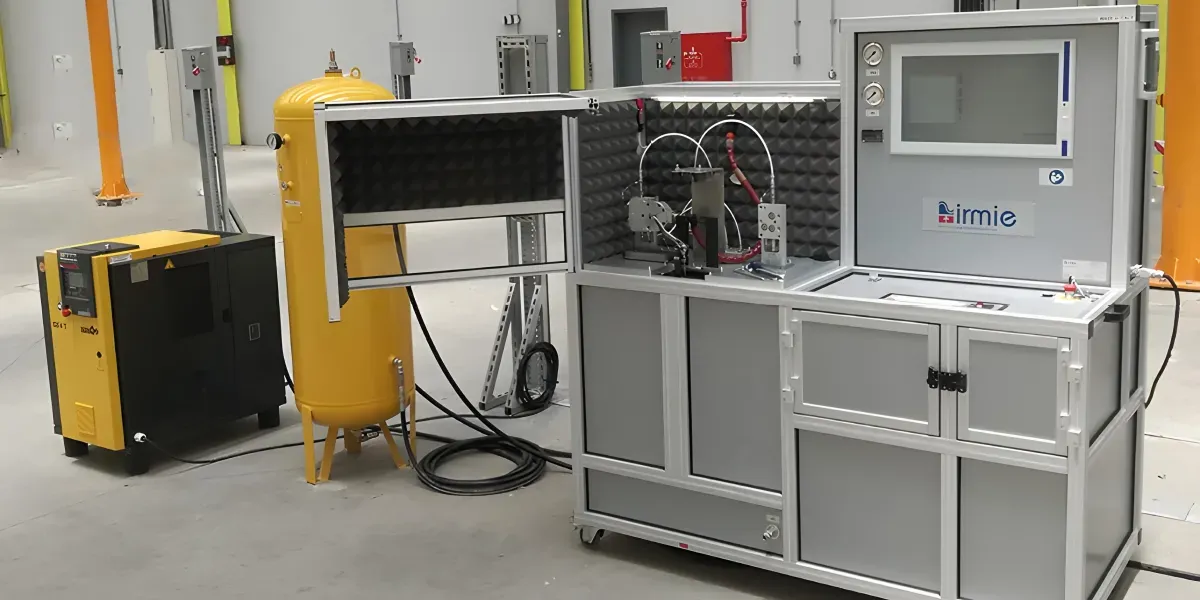
Modern automotive diagnostics rely on brake testing equipment to translate physical braking actions into measurable data. This allows technicians, inspectors, and engineers to assess safety, identify irregularities, and document compliance with technical standards. From passenger cars to commercial fleets, these tools form the technical foundation for understanding braking behavior without relying on guesswork.
Importance: Why Brake Testing Matters Today
Brake system testing equipment plays a critical role in road safety and vehicle reliability. Brakes are among the most stressed components in any vehicle, and small faults can lead to serious consequences.
This topic matters today because vehicles now integrate mechanical, hydraulic, and electronic braking technologies. Systems such as anti-lock braking and electronic brake-force distribution require precise calibration and verification. Testing equipment helps ensure that these systems interact correctly.
Key groups affected include:
-
Vehicle owners who depend on safe stopping performance
-
Inspection centers responsible for compliance checks
-
Fleet operators monitoring wear and efficiency
-
Engineers evaluating braking system design
Problems addressed by brake testing equipment include uneven braking force, delayed response, hidden hydraulic leaks, and sensor mismatches. By identifying these issues early, testing tools reduce accident risk and support consistent automotive performance.
Recent Updates: Technical Trends and Developments
In recent months, brake system testing equipment has evolved toward digitalization and automation. Many testing platforms now integrate software-based automotive diagnostics, enabling real-time data visualization and storage. Touchscreen interfaces and cloud-compatible reporting have become more common, allowing test results to be reviewed across multiple locations.
Another notable trend is the increased use of sensor-based brake force measurement. Instead of relying solely on roller-based systems, newer equipment incorporates electronic load sensors and simulation modules. This supports testing of advanced braking systems used in electric and hybrid vehicles.
There has also been a rise in portable brake testing units. These compact systems are designed for flexible use while still delivering laboratory-level accuracy. This shift reflects broader industry movement toward efficiency, traceability, and standardized test documentation.
Laws or Policies: Regulatory Influence on Brake Testing
Brake system testing equipment is shaped by national vehicle safety regulations and technical inspection frameworks. Many countries require periodic vehicle inspections where braking performance must meet defined thresholds. Testing equipment provides the objective measurements needed for these evaluations.
Regulatory standards often specify acceptable braking force balance, minimum efficiency levels, and tolerance limits. International technical guidance from organizations such as International Organization for Standardization influences how testing devices are designed and calibrated.
Government transport authorities typically mandate that approved testing equipment be used during inspections. This ensures consistency across testing locations and supports transparent enforcement of road safety rules. As regulations adapt to new vehicle technologies, testing equipment must also evolve to remain compliant.
Tools and Resources: Helpful Options for Learning and Analysis
Several tools and resources support understanding and application of brake system testing equipment. These are commonly used in educational, inspection, and technical environments.
Common tool categories include:
-
Roller brake testers for force and balance analysis
-
Brake dynamometers for performance simulation
-
Electronic pressure gauges for hydraulic evaluation
-
Diagnostic software for integrated brake systems
Reference resources often include:
-
Technical manuals and calibration guides
-
Automotive diagnostics training modules
-
Standardized inspection checklists
-
Data recording templates for test results
Below is an example of how testing data may be structured for evaluation:
| Test Parameter | Measurement Unit | Typical Observation |
|---|---|---|
| Brake force balance | Percentage | Even distribution |
| Response time | Milliseconds | Within limits |
| Hydraulic pressure | Bar | Stable under load |
| Wheel lock tendency | Qualitative | Controlled |
These resources help users interpret results accurately and maintain consistent testing procedures.
FAQs: Common Questions Explained
What does brake system testing equipment measure?
It measures braking force, balance, response time, and pressure to assess how effectively a vehicle can slow or stop.
Is brake testing only for inspections?
No. It is also used in diagnostics, research, maintenance planning, and engineering evaluation.
Can testing equipment detect electronic brake issues?
Yes. Modern systems integrate automotive diagnostics to identify sensor or control unit irregularities.
Why is balance between wheels important?
Uneven braking force can cause instability, longer stopping distances, or loss of vehicle control.
Does vehicle type affect testing methods?
Yes. Passenger cars, heavy vehicles, and electric models may require different testing approaches and parameters.
Conclusion
Brake system testing equipment provides the technical insight needed to understand and verify braking performance. By converting physical braking actions into measurable data, these tools support safety, regulatory compliance, and informed maintenance decisions.
As vehicle technology advances, the role of precise brake testing becomes even more significant. Through standardized measurements, digital diagnostics, and evolving regulatory alignment, brake system testing equipment remains a foundational element in modern automotive safety and engineering knowledge.

