Learn About Disposable Plate Making Machines: Essential Details, Functional Overview, and Key Process Insights
Disposable plate making machines are designed to convert raw materials such as paperboard, pulp sheets, agricultural waste, or biodegradable polymers into ready-to-use plates. These machines exist because the global shift toward eco-friendly packaging has increased the need for alternatives to traditional plastic-based disposables. As governments, industries, and consumers work toward reducing environmental impact, automated production systems for compostable tableware have become more relevant in manufacturing ecosystems.
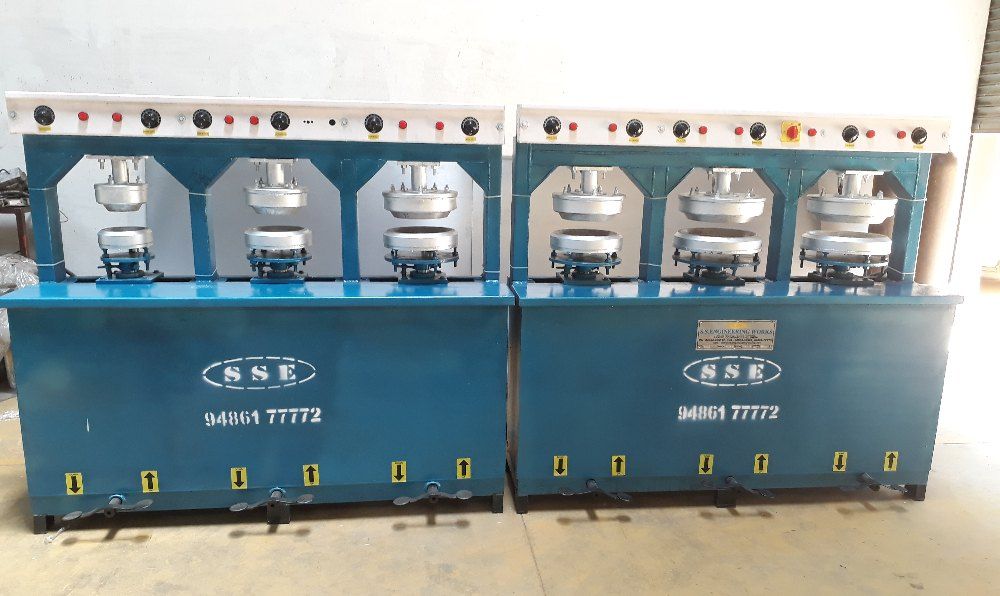
The technology supports efficient shaping, heating, pressing, and trimming operations, which help standardize plate quality while reducing manual involvement. Modern systems range from semi-automatic units requiring some operator supervision to fully automated configurations with temperature controls, forming molds, and monitoring features. This variety allows sectors such as food packaging, events, and hospitality to align with sustainability goals through the use of renewable or biodegradable material options.
The rise of biodegradable materials—such as bagasse, bamboo fiber, and molded pulp—has further expanded the role of these machines, enabling new production methods designed for compostable packaging standards. As environmental concerns continue to shape global manufacturing trends, disposable plate forming technologies provide an adaptable pathway for producing recyclable or biodegradable tableware.
Importance
Disposable plate making machines matter today because they support the global transition toward environmentally responsible alternatives. Several factors highlight their importance:
-
Environmental protection
Pollution caused by single-use plastics has increased demand for compostable items. Plate-forming technology enables industries to adopt materials like paper, biomass fiber, and molded pulp. -
Support for sustainability regulations
Many regions are strengthening rules around eco-friendly packaging. Machines that form biodegradable products help businesses align with these regulations. -
Public health and hygiene awareness
Consumer behavior increasingly favors single-use options in food settings, creating demand for hygienic alternatives that are not dependent on non-degradable plastics. -
Adaptability for multiple sectors
Food services, outdoor events, travel, and hospitality industries use disposable tableware regularly. Understanding plate forming systems supports planning for sustainable operations. -
Reduced pressure on waste systems
Municipal waste infrastructure benefits when compostable items replace plastic disposables, improving landfill management and supporting recycling initiatives.
This topic is relevant to manufacturers, policymakers, environmental researchers, packaging designers, and communities working toward sustainable consumption practices.
Recent Updates
Several developments reflect how disposable plate forming technology continues to evolve:
Advancements in biodegradable materials
-
Increased use of bagasse and bamboo fiber composites has expanded options for molded plate production.
-
Improvements in heat-resistant pulp formulations allow plates to withstand a wider temperature range during food use.
Automation and smart monitoring
-
Many systems now include sensor-based temperature and pressure monitoring, enabling predictive maintenance and real-time performance visibility.
-
Automatic mold-changing mechanisms have become more common, improving efficiency for facilities that produce multiple plate types.
Growing sustainability initiatives
-
Global movements to reduce plastic consumption have accelerated interest in paper and molded fiber technologies.
-
Eco-labeling and compostability certification practices continue to shape expectations for transparency in sustainable packaging.
Energy-efficient manufacturing
-
Thermal efficiency improvements in heating components support lower energy consumption and help align production with sustainability goals.
These updates highlight the continued integration of automation, material science, and environmental responsibility in plate forming systems.
Laws or Policies
Regulations significantly influence how disposable plate making technologies are adopted and operated. While rules vary by country, several common policy themes exist:
Restrictions on single-use plastics
Many governments have placed limits on non-biodegradable plastic plates, encouraging the use of alternatives made from pulp, paper, or biomass. Such regulations strengthen the importance of biodegradable forming technologies.
Environmental packaging standards
Guidelines often address compostability, recyclability, and food-contact safety. They may include:
-
Extended Producer Responsibility (EPR) frameworks that hold producers accountable for waste management.
-
Compostability certifications such as EN 13432, ASTM D6400, or equivalent regional standards.
Manufacturers must ensure materials and finished products meet biodegradation, toxicity, and safety criteria.
Incentives for renewable materials
Some regions promote the use of agricultural waste or natural fibers for packaging applications. This supports innovation in biomass-based plate forming.
Industrial safety and compliance
Regulatory bodies also define standards for:
-
machine safety
-
electrical compliance
-
temperature and noise exposure
-
workplace environmental controls
Awareness of such policies helps ensure responsible operation and sustainable production practices.
Tools and Resources
Several tools and informational resources help learners and professionals understand disposable plate forming processes, sustainability requirements, and material selection.
Material and process insights
-
Lifecycle assessment calculators for comparing environmental impacts of paper, pulp, and biomass materials
-
Compostability standards databases
-
Fiber composition guides explaining characteristics of bagasse, paperboard, and bamboo
Manufacturing and workflow planning
-
Production workflow templates outlining forming, heating, and trimming stages
-
Energy consumption calculators for thermal and electrical inputs
-
Quality parameter checklists covering plate thickness, rigidity, and moisture resistance
Regulatory support
-
Government sustainability and packaging compliance portals
-
Certification body websites explaining criteria for biodegradability and food-contact safety
Educational references
-
Pulp-molding design guides
-
Material science handbooks on biodegradable polymers
-
Sustainability-focused packaging publications
These resources provide practical tools for researchers, designers, operators, and policymakers who want a deeper understanding of compostable plate production.
FAQs
What materials are commonly used in disposable plate making?
Typical materials include paperboard, molded pulp, bagasse, bamboo fiber, and other biodegradable biomass sources. These materials offer environmental benefits and appropriate food-contact properties.
How does a disposable plate making machine work?
The machine forms plates by feeding raw materials into molds, applying heat and pressure, shaping the material, trimming excess edges, and cooling the finished product. Automated systems may include digital controls and monitoring features.
Are biodegradable plates regulated?
Yes. Many countries follow compostability and food-safety standards such as EN 13432 or ASTM D6400. These regulations ensure plates meet biodegradation and safety criteria.
What factors determine plate quality?
Key factors include material composition, moisture resistance, forming temperature, pressure applied during molding, and mold accuracy. Quality is often measured by rigidity, uniformity, and structural strength.
How do sustainability trends influence plate making technologies?
Growing environmental policies and consumer awareness increase demand for biodegradable tableware. This encourages innovations such as energy-efficient heating, improved pulp formulations, and automated monitoring systems.
Conclusion
Disposable plate making machines play a meaningful role in sustainable packaging systems. As global regulations tighten around plastic usage and more industries adopt biodegradable materials, understanding the processes, regulatory requirements, and material science behind these machines becomes increasingly important. Advancements in smart monitoring, energy efficiency, and fiber-based formulations continue to reshape the field. With the support of reliable resources and clear guidelines, researchers, policymakers, and manufacturers can make informed decisions that contribute to long-term sustainability goals.

