Learn About Electric Scooters: A Clear Guide with Details, Explanation, and Advice
Electric scooters are lightweight, battery-powered vehicles designed for short-distance travel. They operate using an electric motor and rechargeable battery instead of traditional fuel. The idea behind electric scooters emerged from the need for compact, energy-efficient transportation that fits well into urban environments.
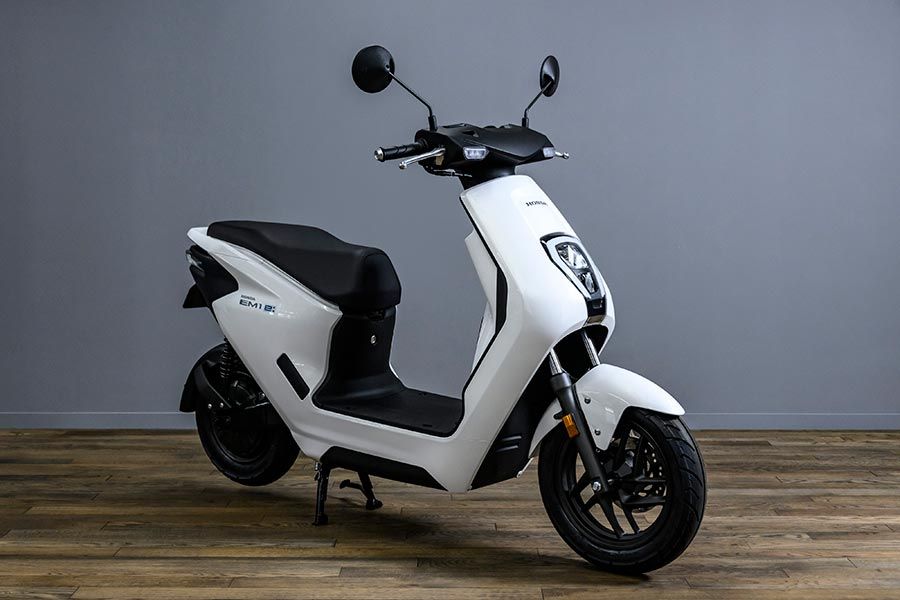 As cities became more crowded and travel distances shorter, traditional vehicles proved inefficient for daily commuting. Electric scooters were developed to bridge the gap between walking and larger vehicles. They provide a practical option for last-mile mobility, meaning the short trips between homes, transit stations, workplaces, and nearby destinations.
Modern electric scooters include features such as speed controllers, digital displays, regenerative braking, and smart battery management systems. These technologies aim to make personal transportation simpler, quieter, and more energy-efficient.
Importance: Why Electric Scooters Matter Today
Electric scooters matter because they address multiple transportation challenges at once. Urban congestion, rising energy consumption, and limited parking space have created demand for compact mobility solutions.
Key groups affected include:
-
Daily commuters in urban and semi-urban areas
-
Students traveling short distances
-
Delivery riders using lightweight transport
-
Individuals seeking easy personal mobility options
Electric scooters help reduce dependence on fuel-powered vehicles. They consume less energy per kilometer and produce no direct emissions during use. This makes them relevant in discussions about sustainable transportation systems and environmental impact reduction.
Another important factor is accessibility. Electric scooters are easier to operate compared to larger vehicles and require less physical effort than bicycles. This allows a wider range of users to adopt them for everyday travel.
Recent Updates: Notable Developments and Trends
Over the past year, electric scooter technology has continued to evolve. Manufacturers have focused on improving battery efficiency, motor durability, and safety features.
Common trends observed recently include:
-
Increased use of lithium-ion battery chemistry for longer range
-
Enhanced braking systems combining electronic and mechanical braking
-
Wider adoption of digital dashboards showing speed, range, and battery health
-
Integration of mobile connectivity for monitoring performance
There has also been growing attention on standardized testing for electric scooter performance and durability. This includes better water resistance ratings and stronger frame materials to handle varied road conditions.
Urban planners have increasingly considered electric scooters as part of shared mobility discussions, recognizing their role in reducing short car trips.
Laws or Policies: How Regulations Affect Electric Scooters
Electric scooters are influenced by transportation and road safety regulations. Rules often define where and how they can be used, focusing on rider safety and traffic management.
Common regulatory areas include:
-
Maximum permitted speed limits
-
Helmet and safety equipment requirements
-
Designated zones for operation such as roads or cycle paths
-
Vehicle classification based on motor power
Some government programs encourage electric mobility by supporting infrastructure development such as charging points and dedicated lanes. Policy frameworks typically aim to balance innovation with public safety and responsible usage.
Understanding local regulations is essential, as rules can differ based on region and vehicle specifications.
Tools and Resources: Helpful Utilities for Electric Scooter Users
Several tools and resources help users understand and manage electric scooters effectively.
Battery Range Estimation Tools
-
Estimate travel distance based on battery capacity and riding conditions
Energy Consumption Calculators
-
Compare energy usage across different transport modes
Maintenance Checklists
-
Track tire pressure, brake condition, and battery health
Safety Awareness Guides
-
Explain proper riding posture, braking techniques, and visibility practices
Technical Specification Tables
-
Help compare motor power, load capacity, and charging time
Sample Comparison Table: Electric Scooter Components
| Component | Purpose | Typical Function |
|---|---|---|
| Electric Motor | Provides propulsion | Converts electrical energy into motion |
| Battery Pack | Stores energy | Powers the motor and electronics |
| Controller | Regulates speed | Manages power flow |
| Braking System | Ensures safety | Controls stopping distance |
FAQs: Common Questions About Electric Scooters
What is the average range of an electric scooter?
Range depends on battery capacity, rider weight, speed, and terrain. Most models are designed for short to moderate daily travel.
Are electric scooters suitable for daily commuting?
Yes, they are commonly used for short commutes, especially in areas with traffic congestion or limited parking.
How long does an electric scooter battery last?
Battery lifespan depends on usage patterns and charging habits. Proper maintenance helps extend performance over time.
Do electric scooters require regular maintenance?
Maintenance is generally minimal but includes checking brakes, tires, and battery condition.
Are electric scooters environmentally friendly?
They produce no direct emissions during operation and use less energy compared to conventional vehicles.
Visual Overview: Energy Use Comparison
| Transport Type | Energy Use Level | Emissions During Use |
|---|---|---|
| Electric Scooter | Low | None |
| Motorcycle | Medium | Present |
| Car | High | Present |
Conclusion: Key Takeaways About Electric Scooters
Electric scooters represent a practical response to modern transportation needs. They offer a balance between efficiency, accessibility, and environmental awareness. By focusing on compact design and electric propulsion, they address issues related to congestion, short-distance travel, and energy consumption.
Understanding how electric scooters work, the rules that govern them, and the tools available for users helps individuals make informed decisions. As transportation systems continue to evolve, electric scooters remain an important part of the broader conversation around sustainable and efficient mobility.

