Learn About EV Battery Recycling: Informative Overview, Key Facts, and Technical Insights
Electric vehicle battery recycling refers to the process of collecting, breaking down, and recovering valuable materials from used electric vehicle (EV) batteries. Most EVs use lithium-ion batteries, which contain elements such as lithium, nickel, cobalt, copper, graphite, manganese, and aluminum. These components are essential for advanced battery manufacturing and high-performance energy storage technologies.
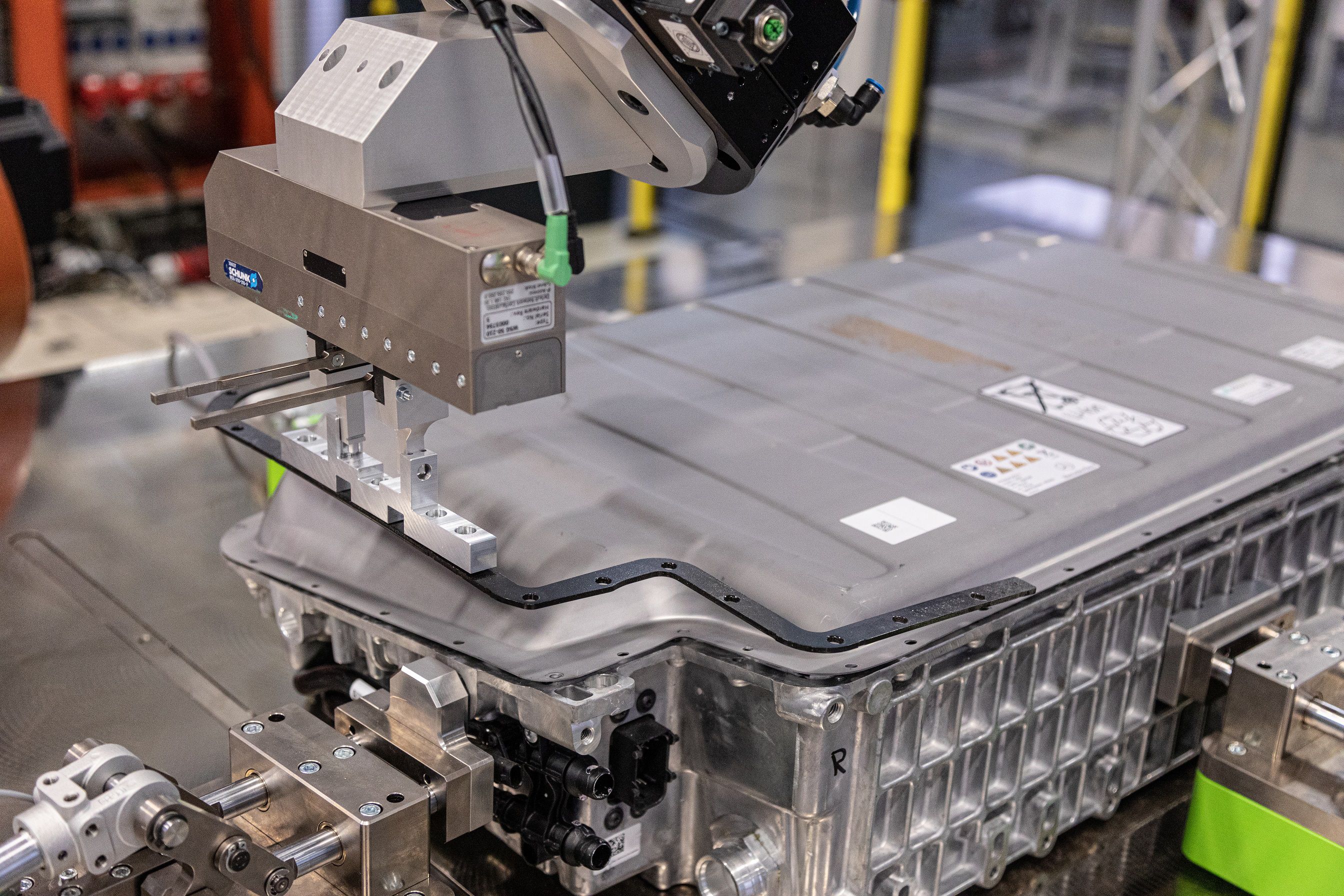
As the number of electric vehicles increases, so does the volume of batteries reaching their end of life. EV batteries typically last many years, but eventually their capacity declines to a level where they are no longer suitable for road use. Instead of discarding them, recycling helps extract usable materials that can be reintroduced into battery production or other industrial applications. This reduces waste, preserves natural resources, and supports the development of energy-efficient systems.
EV battery recycling exists because battery materials are finite and geographically concentrated. Recovering them through recycling helps support supply stability, environmental protection, sustainable manufacturing, and circular economy practices.
Importance – Why EV Battery Recycling Matters and What Problems It Solves
The growth of electric mobility has placed strong emphasis on long-term sustainability. Recycling is important for environmental, economic, and technical reasons.
Why It Matters
-
Reduces pressure on mining activities and conserves natural resources.
-
Minimizes the environmental impact of improperly disposed batteries.
-
Supports responsible handling of hazardous materials.
-
Improves material availability for next-generation battery technologies.
-
Encourages circular energy systems and reduces reliance on raw mineral extraction.
Who It Affects
-
Vehicle owners, as recycling ensures safe handling of batteries during replacement.
-
Manufacturers, who depend on stable access to critical minerals.
-
Governments, responsible for setting environmental safety expectations.
-
Recycling and material recovery industries, which must manage high-value materials responsibly.
-
Communities, benefiting from reduced pollution and sustainable resource use.
Problems It Helps Solve
-
Environmental risks associated with landfill disposal of lithium-ion batteries.
-
Shortages of critical minerals such as cobalt and lithium.
-
Rising global demand for battery materials due to renewable energy systems.
-
Management challenges for large-format EV batteries requiring specialized handling.
A table summarizing key impacts:
| Area | Challenge | How Recycling Helps |
|---|---|---|
| Environment | Battery waste, chemical leakage | Reduces contamination and pollution |
| Resource Supply | Limited mineral reserves | Recovers critical elements for reuse |
| Manufacturing | High demand for battery materials | Stabilizes access to essential components |
| Safety | Hazardous disposal risks | Ensures controlled, regulated handling |
| Sustainability | High carbon footprint from mining | Cuts emissions through material recovery |
Recent Updates – Changes, Trends, and Developments in EV Battery Recycling
EV battery recycling has gained significant attention due to the expanding electric mobility sector. Several updates have shaped how industries and governments approach recycling and resource recovery.
Notable Trends
-
Increased adoption of hydrometallurgical and direct-recycling techniques
These methods aim to recover more material with lower environmental impact. Many companies and research teams have improved efficiency in extracting lithium, nickel, and cobalt. -
Expansion of large-scale battery recycling facilities
Multiple regions have seen new recycling plants built to meet growing end-of-life battery volumes. These facilities focus on high-capacity shredding, safe deactivation, and advanced material purification. -
Industry shift toward sustainable supply chains
Manufacturers have emphasized closed-loop battery systems, ensuring recovered materials flow back into battery production rather than external industries. -
Growing second-life applications
Before recycling, many EV batteries are now repurposed for stationary energy storage. This extends their usefulness and reduces waste. -
Policy acceleration in multiple countries (mentioned without specific years)
Regulations have been reinforced to require traceability, structured collection systems, and minimum recycling efficiency rates.
Observed Technical Improvements
-
Higher recovery rates for lithium and graphite.
-
Improved thermal management during battery dismantling.
-
Refined separation of metals from black mass (the powder containing critical minerals).
-
Introduction of automated systems for handling complex battery designs.
A simple chart-style table showing maturing technologies:
| Technology Type | Purpose | Current Trend |
|---|---|---|
| Pyrometallurgical | Smelting to recover metals | Being optimized for lower emissions |
| Hydrometallurgical | Chemical leaching for higher purity output | Rapid adoption due to high recovery rates |
| Direct Recycling | Restoring battery cathode materials | Growing interest for next-generation applications |
| Second-Life Integration | Reuse before recycling | Increasing in renewable energy storage |
Laws or Policies – How Regulations Shape EV Battery Recycling
Regulations aim to ensure batteries are collected, transported, dismantled, and processed safely. Many countries have introduced structured rules covering:
Extended Producer Responsibility (EPR)
Manufacturers are often required to ensure that batteries they introduce into the market are properly recovered and recycled at end of life. This promotes accountability and encourages sustainable design.
Recycling Efficiency Requirements
Governments may set minimum recovery targets for metals such as lithium, nickel, and cobalt to ensure recycling processes meet environmental and material-efficiency standards.
Transport and Handling Regulations
Because EV batteries contain high-energy materials, strict rules govern how they are transported, stored, and disassembled to prevent fires, leaks, or hazards.
Battery Passport Programs
Emerging standards promote digital documentation of battery composition, origin, material content, and environmental impact across its lifecycle. This enhances traceability and supports transparent recycling systems.
Environmental Protection Policies
Rules often focus on:
-
Safe disposal practices
-
Prevention of soil and water contamination
-
Proper waste-management protocols
-
Responsible industrial emissions
These policies collectively encourage research, improved material recovery, and safer recycling infrastructures.
Tools and Resources – Helpful Guides, Calculators, and Platforms
While EV battery recycling is industrial in nature, several tools and resources help individuals and researchers learn more about material recovery, sustainability, and battery performance.
Informational Tools
-
Battery lifecycle analyzers that estimate remaining battery health and potential second-life applications.
-
Recycling impact calculators used to compare environmental benefits such as reduced carbon emissions and resource savings.
-
Material-composition reference charts showing typical lithium, nickel, cobalt, and manganese content in EV battery chemistries.
-
Battery management system (BMS) data tools used to understand charge cycles, thermal history, and degradation patterns.
Educational Resources
-
Technical guides explaining hydrometallurgical and pyrometallurgical processes.
-
Research publications on material recovery efficiency and closed-loop production.
-
Sustainability platforms highlighting best practices for responsible battery disposal.
Industry Tools
-
Digital battery tracking systems supporting lifecycle documentation.
-
Recycling facility planning models used to estimate volume handling and recovery efficiency.
-
Safety assessment checklists for organizations handling lithium-ion batteries.
A general reference table:
| Resource Type | Purpose |
|---|---|
| Battery health analyzers | Evaluate performance and end-of-life readiness |
| Environmental calculators | Estimate recycling benefits |
| Technical charts | Understand material composition |
| Lifecycle tracking systems | Improve transparency and material flow |
| Safety guides | Manage handling and storage risks |
FAQs – Clear and Factual Answers
1. What materials are commonly recovered during EV battery recycling?
Recycling processes typically recover lithium, nickel, cobalt, copper, aluminum, steel, and graphite. The exact materials depend on battery chemistry and the recycling method used.
2. Why can’t EV batteries be disposed of like regular household waste?
EV batteries contain high-energy components and chemical materials that require controlled handling. Disposing of them improperly poses risks such as thermal runaway, contamination, and material loss.
3. How does recycling support future battery manufacturing?
Recovered materials re-enter the production cycle, reducing dependence on newly mined minerals. This improves supply stability and supports sustainable manufacturing practices.
4. Are all EV batteries recycled the same way?
No. Different chemistries and designs require adjusted dismantling and recovery processes. Some methods are more efficient for nickel-rich batteries, while others work better for lithium-iron phosphate structures.
5. Can EV batteries be reused before being recycled?
Yes. Many batteries with reduced driving range can still store energy effectively. They may serve in stationary systems, helping stabilize renewable energy grids before eventually being recycled.
Conclusion
EV battery recycling is a foundational component of the sustainable energy transition. It supports environmental protection, resource conservation, and the development of resilient supply chains. With advancing technology, structured policies, and improved recovery methods, recycling continues to play a crucial role in the lifecycle of electric vehicles. As global electrification expands, understanding how EV batteries are reused, repurposed, and recycled becomes essential for responsible environmental management and long-term energy planning.

