Learn About Food Dehydrators: Beginner Basics, Practical Advice, and Expert Recommendations
Food dehydrators are kitchen appliances designed to remove moisture from fruits, vegetables, herbs, meats, and other foods. By circulating warm air at controlled temperatures, they reduce water content while preserving flavor, texture, and nutrients. The process slows microbial growth and enzymatic reactions, extending shelf stability without refrigeration.
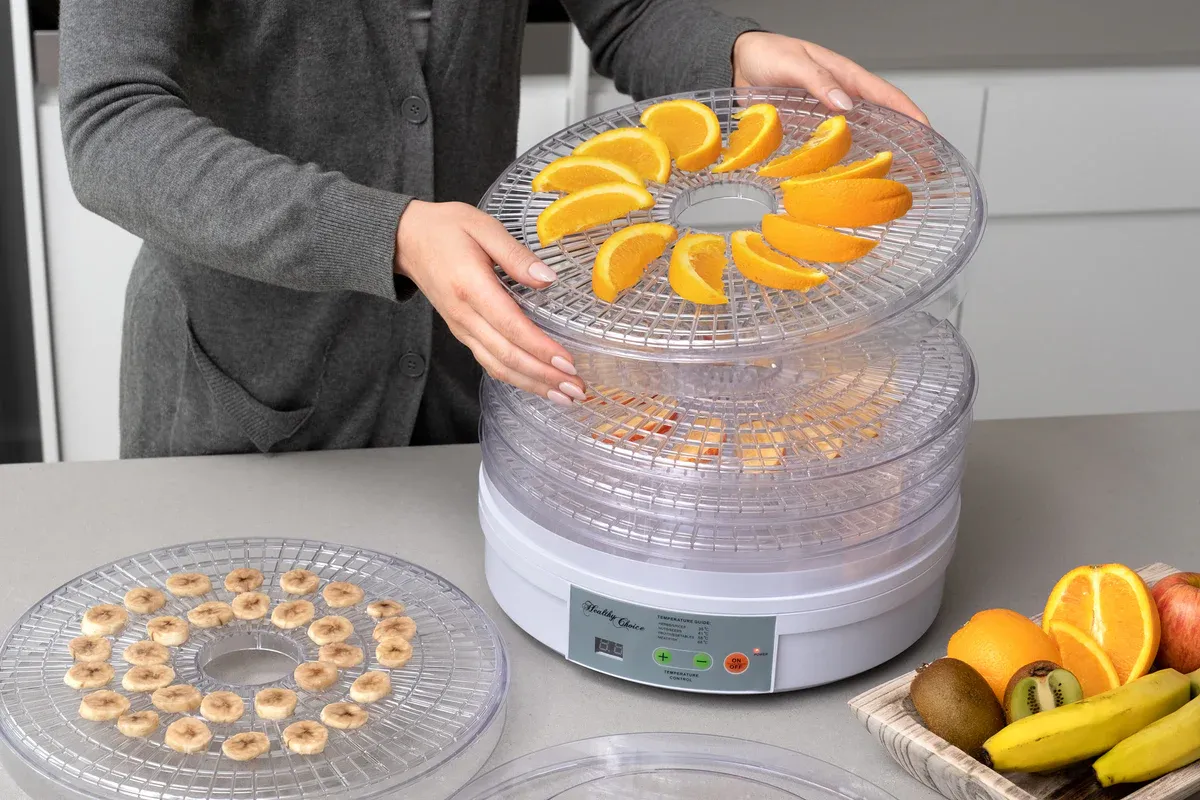
Dehydration is one of the oldest food preservation methods. Historically, communities dried foods in the sun or near fire sources. Modern dehydrators provide controlled airflow, even heat distribution, and adjustable temperature settings. These features improve food safety, consistency, and efficiency.
Most dehydrators include:
-
A heating element
-
A fan for air circulation
-
Stackable or fixed trays
-
Adjustable temperature controls
-
A timer function
There are two common airflow designs:
| Feature | Vertical Airflow | Horizontal Airflow |
|---|---|---|
| Fan Location | Top or bottom | Rear-mounted |
| Air Distribution | Through stacked trays | Even across all trays |
| Rotation Needed | Often required | Usually not required |
| Suitable For | General home use | Uniform drying and mixed foods |
Food dehydration supports high-intent topics like food preservation equipment, kitchen appliance energy efficiency, and home food storage solutions—areas often associated with strong informational value in digital advertising ecosystems.
Why Food Dehydrators Matter Today
Food dehydrators are increasingly relevant in modern households due to food sustainability awareness, meal preparation practices, and interest in reducing food waste.
They benefit several groups:
-
Families focused on pantry organization
-
Individuals interested in ingredient transparency
-
Gardeners preserving seasonal harvests
-
Outdoor enthusiasts preparing lightweight foods
-
Culinary learners exploring natural flavor concentration
Moisture removal solves practical problems such as:
-
Spoilage due to high water content
-
Excess garden yield during harvest season
-
Need for shelf-stable snack alternatives
-
Bulk ingredient storage challenges
Dehydrated foods are lighter, compact, and require less storage space. For example, fruits can lose 70–90% of their water weight during dehydration.
Below is a simplified moisture reduction comparison:
| Food Item | Approximate Fresh Water Content | After Dehydration |
|---|---|---|
| Apples | 84% | 10–20% |
| Tomatoes | 94% | 10–15% |
| Beef (lean) | 60% | 10–15% |
This process concentrates natural sugars and flavors, making dried foods taste richer. It also aligns with interest in food safety standards and long-term food storage planning, which are high-value informational search topics.
Recent Trends and Developments
Interest in food dehydration has expanded due to broader conversations around food resilience, supply awareness, and home-based culinary skills.
Recent trends include:
-
Increased use of stainless steel tray designs for durability
-
Greater focus on precise digital thermostats
-
Expanded interest in low-temperature drying for nutrient preservation
-
Hybrid models combining dehydration with fermentation functions
-
More educational content on safe jerky preparation standards
Manufacturers have emphasized energy-efficient designs and improved airflow systems. Digital controls now commonly allow temperature adjustments between 35°C and 75°C (95°F to 167°F), supporting delicate herbs and protein-based foods alike.
There has also been greater attention to food safety compliance when dehydrating meats. Public health agencies periodically remind consumers that safe internal temperatures must be reached before or during dehydration to reduce pathogen risk.
Another growing area involves educational resources around nutrient retention. Research discussions frequently explore how dehydration compares with freezing and canning in preserving vitamins and antioxidants.
Regulations, Food Safety Standards, and Government Guidance
Food dehydration practices are influenced by food safety standards and consumer protection policies.
In the United States, guidance often references standards established by the U.S. Department of Agriculture and the Food and Drug Administration. These agencies provide recommendations on:
-
Safe meat drying temperatures
-
Pathogen reduction practices
-
Proper food handling before dehydration
-
Cross-contamination prevention
For example, meats intended for jerky are commonly preheated to recommended safe internal temperatures before drying.
In the European Union, food safety practices align with guidance from the European Food Safety Authority.
Regulations primarily apply to commercial food production. Home dehydration is generally permitted for personal consumption, but safe food handling remains essential.
Key safety considerations include:
-
Washing produce thoroughly
-
Using clean utensils and trays
-
Avoiding drying spoiled or moldy food
-
Storing dried food in airtight containers
-
Monitoring humidity levels during storage
Government publications often emphasize labeling practices, allergen awareness, and temperature monitoring for small-scale producers.
Tools and Resources for Food Dehydration
Several tools can support accurate and safe dehydration practices. These resources relate to broader high-value topics such as kitchen energy efficiency and food storage management.
Helpful tools include:
-
Digital Kitchen Thermometer – Verifies internal temperature before dehydration
-
Hygrometer – Measures ambient humidity for storage control
-
Food Storage Calculator Apps – Estimate shelf stability
-
Nutrient Retention Charts – Compare preservation methods
-
Meal Planning Templates – Organize batch dehydration sessions
-
Energy Usage Monitor – Track appliance electricity consumption
A simplified dehydration time guide:
| Food Type | Temperature Range | Typical Drying Duration |
|---|---|---|
| Herbs | 35–40°C | 2–6 hours |
| Fruits | 50–60°C | 6–12 hours |
| Vegetables | 50–60°C | 6–10 hours |
| Lean Meat | 65–75°C | 4–8 hours |
These values vary depending on thickness, humidity, and airflow design.
Some nutrition tracking platforms allow users to log dehydrated foods separately due to water weight reduction. Food safety educational materials from public health agencies also provide printable guidelines for safe preparation.
Frequently Asked Questions
How long do dehydrated foods last?
Shelf life depends on moisture level, storage temperature, and packaging. Properly dried fruits and vegetables stored in airtight containers in cool environments may last several months. Meats typically require refrigeration or freezing after dehydration for longer storage stability.
Does dehydration remove nutrients?
Some heat-sensitive vitamins may decline during drying, but minerals and fiber remain stable. Compared to other preservation methods, dehydration often maintains concentrated nutrients because water is removed rather than discarded.
Is dehydration the same as freeze-drying?
No. Dehydration uses warm air to remove moisture gradually. Freeze-drying removes water through sublimation at very low temperatures and vacuum pressure. Freeze-dried foods retain more original structure but require specialized equipment.
Can all foods be dehydrated safely?
Most fruits, vegetables, herbs, and lean meats can be dehydrated. High-fat foods are less suitable because fats do not dry and may become rancid. Safe preparation and temperature control are critical for meat products.
Is it energy efficient?
Energy use varies by wattage and drying duration. Smaller batches and optimized airflow improve efficiency. Some models incorporate improved insulation and digital temperature management to reduce electricity consumption.
Practical Advice and Expert Recommendations
For beginners, starting with simple foods such as apple slices or banana chips allows familiarity with temperature settings and timing. Uniform slicing ensures even drying.
Experts commonly recommend:
-
Cutting food into consistent thickness
-
Avoiding overcrowding trays
-
Rotating trays in vertical airflow models
-
Conditioning dried fruit by storing loosely for several days and checking for moisture
-
Labeling containers with preparation dates
Moisture testing is important. If condensation appears in storage containers, additional drying may be required.
A simple moisture testing method:
-
Place cooled dried food in a sealed jar.
-
Observe for condensation after 24 hours.
-
If moisture forms, return food to dehydrator.
Food safety remains the priority when dehydrating protein-based foods. Internal temperature verification is recommended before drying.
Broader Implications in Food Sustainability
Food dehydration supports sustainability discussions by:
-
Reducing household food waste
-
Supporting seasonal preservation
-
Lowering reliance on refrigerated storage
-
Extending usability of surplus produce
These themes connect with broader conversations around sustainable food systems and long-term storage preparedness.
Educational searches related to food preservation methods, appliance energy efficiency, and kitchen food safety continue to grow in digital information platforms.
Conclusion
Food dehydrators represent a practical evolution of one of humanity’s oldest preservation methods. By removing moisture under controlled conditions, they extend shelf life, concentrate flavors, and support household food management strategies.
Modern models emphasize temperature precision, airflow consistency, and energy awareness. Food safety guidance from regulatory authorities helps ensure proper preparation, especially when drying meats.
For beginners, starting with fruits and herbs builds confidence. With careful slicing, temperature control, and airtight storage, dehydration becomes a reliable preservation method.
Understanding the basics, safety considerations, and available tools allows individuals to approach food dehydration with clarity and informed decision-making.

