Learn About Guillotine Shears: Basics, Key Features, Blade Technology, Operational Guidance, and Expert Suggestions
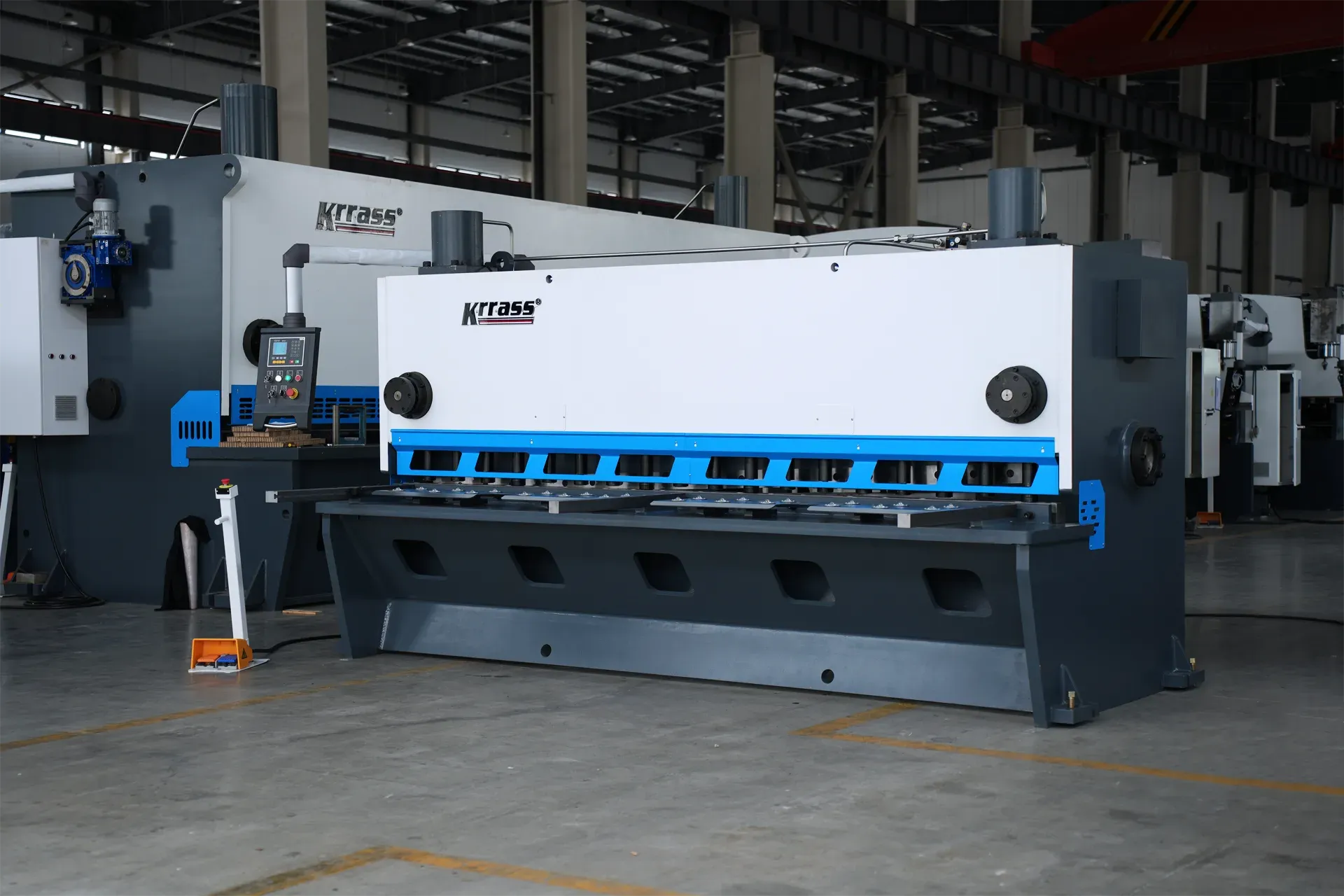
Guillotine shears are industrial metal cutting machines designed to cut sheet metal into precise shapes and sizes. They are widely used in metal fabrication, structural engineering, automotive manufacturing, and heavy equipment production. These machines operate by applying a powerful vertical force through a straight blade that moves downward against a fixed lower blade, slicing metal sheets cleanly and efficiently.
Guillotine shearing technology exists to provide accurate, repeatable, and fast metal cutting for industries that require high productivity and dimensional precision. Before automated cutting systems became widespread, manual cutting methods often led to inconsistent results and material waste. Guillotine shears improved workflow efficiency, reduced waste, and supported the development of modern fabrication systems.
Today, hydraulic guillotine shears and CNC sheet metal cutting machines represent a core part of advanced manufacturing environments. Their precision, speed, and compatibility with industrial automation make them essential for businesses focused on production efficiency and material optimization.
Why Guillotine Shears Matter in Modern Manufacturing
Guillotine shears play a critical role in industries that depend on metal processing equipment and heavy machinery components. They help solve several common challenges:
- Maintaining cutting accuracy across large volumes
- Reducing scrap material
- Improving production speed
- Supporting industrial automation systems
The demand for precision metal cutting equipment has grown due to increased infrastructure development, renewable energy projects, automotive production, and construction activities. High-strength steel, aluminum alloys, and coated metals require stable and controlled cutting mechanisms, which guillotine shears provide.
Industries affected include:
- Steel fabrication plants
- Automotive body manufacturing
- HVAC duct production
- Shipbuilding and aerospace component preparation
- Electrical panel fabrication
The ability to integrate hydraulic shearing machines with programmable control systems enhances operational efficiency. CNC-controlled back gauges allow precise measurement and repeat cuts, improving productivity and reducing operator error.
Core Features and Blade Technology
Guillotine shears are available in mechanical and hydraulic configurations. Hydraulic models are commonly used for thicker materials and continuous industrial operations. Key components include:
- Upper moving blade
- Fixed lower blade
- Back gauge system
- Hold-down clamps
- Hydraulic cylinders
- Control panel
Blade technology plays a significant role in performance. Modern blades are manufactured from high-carbon, high-chromium tool steel to withstand repetitive impact and maintain sharpness. Blade clearance adjustment is essential for achieving clean cuts without burr formation.
Blade Clearance and Cut Quality
| Material Thickness | Recommended Blade Clearance | Result |
|---|---|---|
| Thin sheet | Narrow clearance | Clean edge, minimal distortion |
| Medium sheet | Moderate clearance | Balanced shear strength |
| Thick plate | Wider clearance | Reduced blade wear |
Advanced machines allow adjustable rake angles. A smaller rake angle reduces cutting force but may affect precision. A larger rake angle improves cutting efficiency for thicker materials.
Operational Guidance for Safe and Efficient Use
Proper operation ensures both performance and safety. Guillotine shears generate high mechanical force, so trained handling and protective measures are essential.
Basic operational steps include:
- Verify blade alignment before use
- Set appropriate back gauge distance
- Adjust blade clearance based on material thickness
- Secure sheet firmly with hold-down clamps
- Activate cutting cycle using foot pedal or control panel
Operators should monitor:
- Hydraulic pressure levels
- Blade sharpness
- Vibration or unusual noise
- Lubrication systems
Routine maintenance reduces downtime and supports machine longevity. Regular inspection of hydraulic systems, electrical connections, and blade edges is recommended.
Common safety precautions include:
- Wearing protective gloves and eye protection
- Keeping hands clear of cutting zone
- Using light curtains or safety guards
- Following lockout procedures during maintenance
Industrial safety standards require proper training in handling heavy equipment machinery. Automated safety interlocks and emergency stop systems are increasingly integrated into modern shearing machines.
Recent Trends and Technological Updates
Recent developments in sheet metal fabrication equipment reflect the broader shift toward smart manufacturing. Key trends include:
- Integration of CNC automation and digital controls
- Improved energy-efficient hydraulic systems
- IoT-based machine monitoring
- Servo-driven back gauge systems
- Noise reduction technology
Smart diagnostic systems now allow predictive maintenance. Sensors monitor blade wear, hydraulic temperature, and operational cycles, helping facilities prevent unexpected breakdowns.
Energy efficiency has also improved. New hydraulic pump designs reduce idle energy consumption, contributing to sustainable manufacturing goals.
Traditional vs Modern Features
| Feature | Traditional Shear | Modern CNC Guillotine |
|---|---|---|
| Control System | Manual | Programmable CNC |
| Precision | Operator dependent | High repeat accuracy |
| Safety | Basic guards | Integrated light curtains |
| Monitoring | Visual inspection | Digital diagnostics |
These innovations align with Industry 4.0 initiatives focused on automation, digital transformation, and production analytics.
Laws, Regulations, and Compliance Requirements
Guillotine shears fall under industrial machinery safety regulations in many countries. Compliance ensures worker protection and operational accountability.
Common regulatory frameworks include:
- Occupational safety standards for machine guarding
- Industrial noise control limits
- Electrical safety compliance
- Hydraulic system pressure standards
For example, the Occupational Safety and Health Administration sets requirements for machine guarding and operator safety in manufacturing facilities. In the European Union, machinery must comply with CE marking requirements under the Machinery Directive. In India, the Factories Act governs worker safety and industrial equipment operation.
Environmental policies may also influence machine design. Energy efficiency standards and workplace emission guidelines encourage manufacturers to reduce hydraulic oil leaks and improve energy consumption rates.
Companies operating guillotine shears must ensure:
- Documented safety training
- Regular inspection records
- Emergency stop system functionality
- Compliance with local electrical codes
Failure to comply with these standards can result in penalties and operational restrictions.
Helpful Tools and Resources
Modern metal fabrication operations use digital tools and planning resources to enhance performance.
Common tools include:
- CNC programming software for sheet metal cutting
- Material thickness calculators
- Blade clearance adjustment charts
- Preventive maintenance scheduling templates
- Production tracking dashboards
Computer-aided design (CAD) platforms allow operators to pre-plan cut sequences, reducing material waste. Enterprise resource planning (ERP) systems track machine productivity and inventory levels.
Data visualization tools can help monitor operational efficiency. For example, a basic productivity tracking graph may look like this:
Production Output (Units per Day)
Day 1: ████████
Day 2: ██████████
Day 3: ███████
Day 4: ███████████
Such tracking supports performance benchmarking and workflow optimization.
Training manuals and industrial safety certification programs also serve as important educational resources for machine operators.
Frequently Asked Questions
What materials can guillotine shears cut?
Guillotine shears are primarily used for cutting sheet metal such as steel, stainless steel, aluminum, brass, and copper. Cutting capacity depends on blade strength and machine tonnage.
How is blade clearance determined?
Blade clearance is calculated based on material thickness and type. Proper clearance prevents excessive burr formation and extends blade life.
What is the difference between mechanical and hydraulic shears?
Mechanical shears use a flywheel and clutch system for cutting force, while hydraulic shears rely on pressurized fluid. Hydraulic models provide smoother operation and are better suited for thicker materials.
How often should blades be sharpened?
Blade sharpening frequency depends on usage intensity and material type. Regular inspection is recommended to maintain edge quality and prevent deformation.
Are guillotine shears compatible with automation systems?
Yes, many modern machines integrate CNC control systems, programmable back gauges, and digital monitoring features to support industrial automation.
Conclusion
Guillotine shears are essential components of modern metal fabrication and industrial manufacturing. Their ability to deliver accurate, high-speed sheet metal cutting supports sectors ranging from construction to automotive production.
Advancements in blade technology, hydraulic systems, and CNC automation have improved efficiency, safety, and precision. Compliance with occupational safety regulations and energy standards ensures responsible operation within industrial environments.
Understanding machine features, maintenance practices, and regulatory requirements enables operators and facility managers to optimize performance while maintaining safety. As manufacturing continues to adopt digital transformation and smart factory solutions, guillotine shears remain a foundational tool in precision metal processing systems.