Learn About Logistics & Transport Services: Advice, Suggestions, and Key Insights
Logistics and transport services refer to the systems and processes used to move goods, materials, and products from one location to another. These systems form the backbone of modern supply chain management and global trade operations.
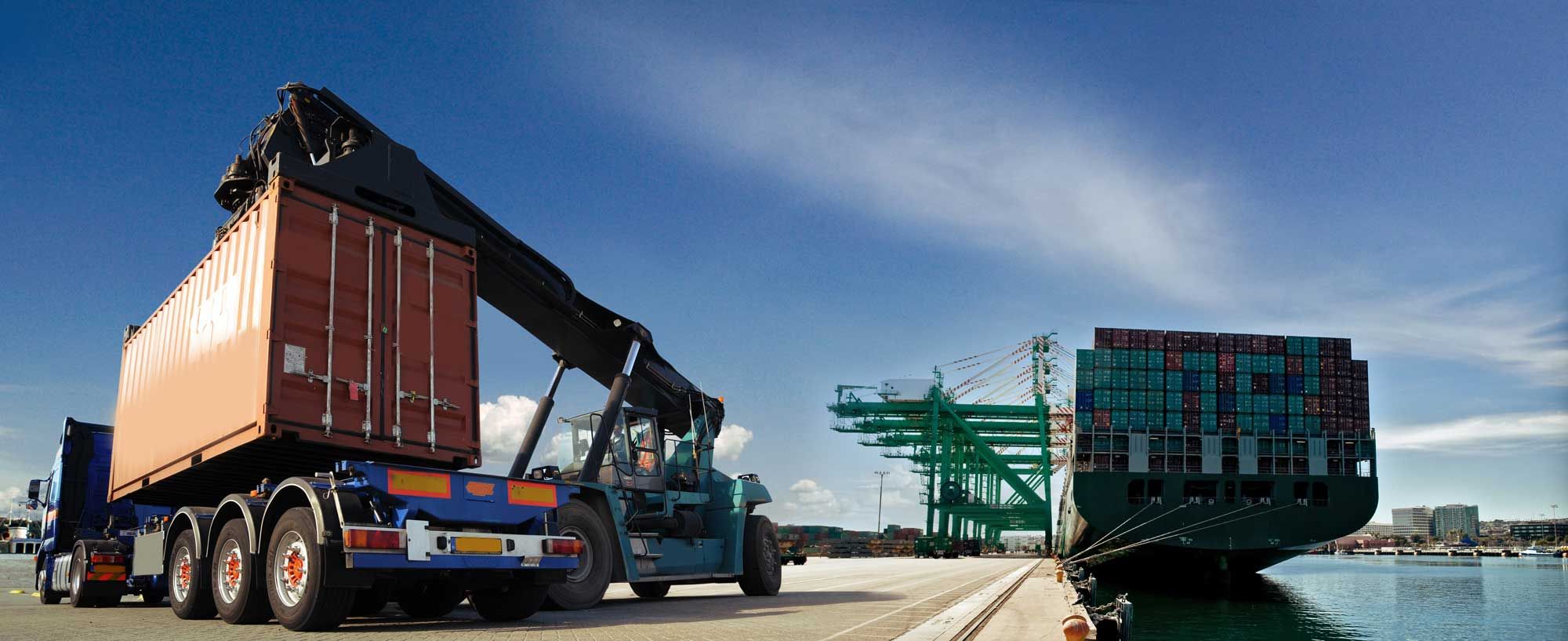
Logistics includes activities such as:
-
Freight transportation
-
Warehousing and storage solutions
-
Inventory management
-
Customs clearance
-
Distribution network planning
-
Last-mile delivery coordination
Transport services focus specifically on the physical movement of goods by road, rail, air, or sea. Together, logistics and transport enable businesses to operate across cities, countries, and continents.
The concept exists because production and consumption rarely occur in the same place. A manufacturer may produce goods in one region, while consumers live elsewhere. Logistics ensures timely movement, proper handling, and efficient distribution.
Below is a simple overview of major transport modes and their typical uses:
| Transport Mode | Common Use Case | Key Advantage |
|---|---|---|
| Road Freight | Local & regional delivery | Flexibility |
| Rail Freight | Bulk goods over long distances | Fuel efficiency |
| Air Cargo | Urgent, high-value shipments | Speed |
| Sea Freight | International trade, heavy cargo | Large capacity |
Logistics also includes digital systems such as freight tracking software, warehouse automation platforms, and supply chain analytics tools that help manage these operations efficiently.
Importance: Why Logistics & Transport Matter Today
Logistics plays a critical role in economic stability and global commerce. It affects businesses, consumers, governments, and industries such as manufacturing, retail, agriculture, pharmaceuticals, and e-commerce.
The importance of logistics and freight management is growing due to:
-
Expansion of global trade
-
Increase in online shopping and e-commerce logistics
-
Demand for faster delivery timelines
-
Rising fuel and transportation efficiency concerns
-
Need for supply chain visibility
Efficient logistics systems solve multiple problems:
-
Delays in product availability
-
Inventory shortages
-
High storage costs
-
Poor demand forecasting
-
Limited shipment transparency
For businesses, effective supply chain optimization can improve operational efficiency and working capital management. For consumers, it ensures timely access to products.
Below is a simplified illustration of a basic logistics flow:
Production → Warehouse → Distribution Center → Retailer → Consumer
Each step involves planning, coordination, and compliance with transportation regulations.
In emerging markets and industrial hubs, logistics infrastructure also supports:
-
Economic growth
-
Export and import operations
-
Industrial development zones
-
Cold chain logistics for pharmaceuticals and food safety
Without reliable transport networks and freight forwarding systems, modern trade would slow significantly.
Recent Updates: Trends and Developments in Logistics
In recent months, the logistics sector has experienced notable changes driven by technology, sustainability goals, and geopolitical factors.
Key trends include:
Digital transformation in supply chain management
Many logistics companies are adopting AI-powered demand forecasting, route optimization software, and real-time shipment tracking systems. These tools enhance visibility and reduce operational risks.
Focus on green logistics and carbon reduction
Governments and organizations are encouraging the use of electric commercial vehicles, fuel-efficient fleets, and multimodal transport systems to reduce carbon emissions.
Warehouse automation growth
Automated sorting systems, robotics, and smart inventory management platforms are becoming more common in distribution centers.
Resilience in global supply chains
Following disruptions in international trade routes, businesses are diversifying suppliers and investing in regional distribution hubs to reduce dependency on single sources.
Growth of last-mile delivery innovation
Urban logistics planning now includes micro-warehouses and optimized routing to manage high-volume deliveries in densely populated areas.
These developments show that logistics is no longer just about transportation; it is increasingly data-driven and technology-focused.
Laws or Policies: Regulatory Framework and Compliance
Logistics and transport operations are regulated by national and international laws to ensure safety, fair trade, and environmental protection.
In India, several regulations influence logistics and freight movement:
-
Goods and Services Tax (GST) compliance for transport documentation
-
E-way bill system for interstate goods movement
-
Motor Vehicles Act provisions for road safety and licensing
-
Customs regulations for import-export operations
-
Environmental norms related to fuel standards and emissions
Transporters must follow documentation requirements such as:
-
Consignment notes
-
Tax invoices
-
Transport permits
-
Insurance coverage
International freight forwarding also follows global standards such as:
-
Customs classification codes
-
Cargo security compliance
-
International shipping documentation rules
Environmental regulations increasingly influence fleet management decisions, including adoption of alternative fuels and emission standards.
Compliance with these laws helps reduce legal risks, shipment delays, and financial penalties.
Tools and Resources: Helpful Platforms and Systems
Modern logistics depends heavily on digital tools and analytical systems. Several platforms and software solutions help improve efficiency and decision-making.
Common logistics tools include:
Freight management software
Used for route planning, shipment tracking, and load optimization.
Warehouse management systems (WMS)
Assist in inventory control, order processing, and storage efficiency.
Transportation management systems (TMS)
Support freight rate calculation, carrier management, and compliance documentation.
Supply chain analytics dashboards
Provide data visualization for demand forecasting and performance tracking.
Fuel consumption calculators
Help estimate operating expenses and carbon footprint analysis.
Below is a comparison of common logistics management systems:
| Tool Type | Primary Function | Key Benefit |
|---|---|---|
| WMS | Warehouse operations | Improved inventory accuracy |
| TMS | Transport coordination | Reduced transit time |
| ERP Integration | Business-wide planning | Unified data management |
Mobile applications also allow real-time driver communication and shipment updates, improving transparency.
For individuals studying logistics or businesses planning improvements, industry reports, government transport portals, and supply chain management courses are useful educational resources.
FAQs: Common Questions About Logistics & Transport
What is the difference between logistics and transport?
Transport refers to the physical movement of goods. Logistics is broader and includes planning, warehousing, inventory management, and coordination of the entire supply chain process.
Why is supply chain visibility important?
Supply chain visibility allows businesses to monitor shipment status, predict delays, manage inventory levels, and respond quickly to disruptions.
How does digital transformation affect freight management?
Digital systems improve route optimization, reduce paperwork, enhance tracking accuracy, and provide data-driven insights for operational efficiency.
What are common challenges in logistics operations?
Common challenges include fuel price fluctuations, regulatory compliance, infrastructure limitations, shipment delays, and demand forecasting errors.
How can sustainability improve logistics performance?
Sustainable logistics practices, such as optimized routing and fuel-efficient vehicles, can reduce emissions, lower operational waste, and improve long-term efficiency.
Conclusion
Logistics and transport services form the foundation of modern economic systems. From local deliveries to international freight forwarding, these systems ensure goods move efficiently and safely.
As digital supply chain management tools evolve and environmental regulations become more significant, logistics is becoming more strategic and technology-driven. Businesses, policymakers, and consumers all rely on reliable freight networks and efficient distribution systems.
Understanding logistics operations, compliance requirements, and available management tools helps improve decision-making and operational stability. With continued innovation and regulatory oversight, logistics and transport systems will remain central to global trade and economic development.

