Learn About Pearl Chokers: Information, Advice, and Classic Design Facts

Pearl chokers are close-fitting necklaces made with pearls that sit snugly around the neck. The word “choker” refers to the necklace length rather than the gemstone itself. Pearls, formed naturally or cultivated in oysters and mussels, have been used in fine jewelry design for centuries due to their soft luster and symbolic associations with elegance and simplicity.
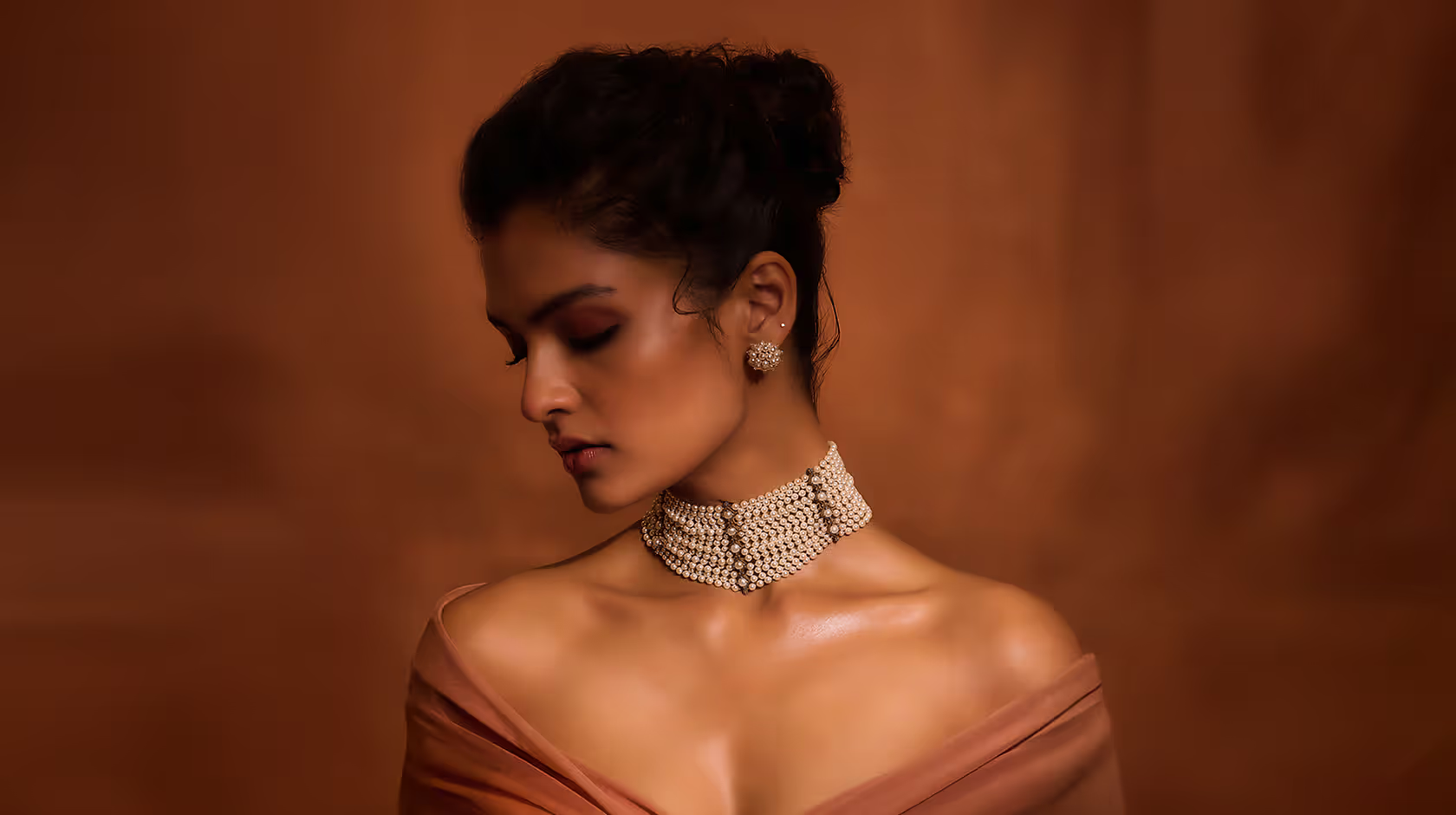
A pearl choker exists because of both fashion evolution and functional design. Historically, shorter necklaces were worn to highlight the neckline and complement formal clothing. Over time, pearl chokers became a recognized jewelry style in both traditional and contemporary wardrobes.

Unlike longer pearl strands, chokers emphasize minimalism and structure. They can be designed with:

  • A single strand of uniform pearls

  • Multi-layered pearl rows

  • Pearl and diamond accents

  • Baroque or irregular pearl shapes

  • Modern mixed-material settings such as gold or platinum

Pearl chokers remain popular in high-end jewelry markets, luxury accessories discussions, gemstone investment research, and fashion styling guides. Their continued presence reflects both cultural heritage and changing style trends.

Cultural and Historical Influence

Pearl chokers have appeared in multiple historical periods. During the Victorian era, pearls symbolized modesty and refinement. In the early twentieth century, shorter pearl necklaces became associated with modern fashion movements.

Notable public figures have influenced their popularity. For example, Princess Diana often wore pearl chokers at formal events, which reinforced their association with elegance and formal attire. Fashion houses such as Chanel also popularized layered pearl styles that blended tradition with innovation.

Today, pearl chokers appear in bridal jewelry collections, red carpet styling, and everyday minimalist fashion.

Why Pearl Chokers Matter Today

Pearl chokers remain relevant for several reasons.

First, they represent sustainable luxury when sourced responsibly. With increasing attention to ethical jewelry sourcing and gemstone certification, consumers are more aware of where pearls originate and how they are cultivated.

Second, they suit a wide range of demographics. Pearl chokers are worn by:

  • Individuals attending formal ceremonies

  • Brides seeking classic wedding jewelry

  • Professionals favoring understated elegance

  • Fashion enthusiasts exploring vintage-inspired looks

Third, they solve a styling challenge. Because they sit close to the neckline, pearl chokers:

  • Complement off-shoulder and V-neck garments

  • Provide balance to minimalist outfits

  • Add structure to layered jewelry styling

In digital marketing and luxury jewelry discussions, keywords such as fine jewelry design, luxury pearl necklace trends, certified cultured pearls, and investment-grade pearls frequently appear due to high search interest and competitive advertising value.

Pearl chokers also intersect with discussions around gemstone grading, precious metal authentication, and jewelry appraisal standards. These factors are important for collectors and those researching long-term value retention in fine accessories.

Types of Pearls Used in Chokers

Different pearl varieties influence appearance, durability, and classification.

Below is a simplified comparison table of common pearl types used in chokers:

Pearl TypeTypical SizeColor RangeCommon Use in Chokers
AkoyaSmall–MediumWhite, CreamClassic formal styles
South SeaLargeWhite, GoldStatement chokers
TahitianMedium–LargeDark, Gray, GreenModern luxury looks
FreshwaterSmall–LargeWhite, PinkVersatile designs

Each pearl type has unique luster, surface quality, and cultivation methods. These features influence both visual appeal and jewelry classification standards.

Design Structure and Materials

Pearl chokers are constructed with attention to clasp strength, thread durability, and gemstone alignment. High-quality designs typically include:

  • Individually knotted pearls to prevent friction damage

  • Secure clasps made from gold or platinum

  • Symmetrical spacing and matching luster

Some chokers integrate diamonds or colored gemstones for contrast. In fine jewelry investment discussions, the purity of metal, pearl grading, and craftsmanship influence perceived value.

Recent Updates and Jewelry Trends

Over the past year, fashion analysts have observed increased interest in minimalist fine jewelry and sustainable pearl cultivation methods. Designers are experimenting with asymmetrical pearl placements and mixed-metal chokers.

Digital search analytics show rising queries related to:

  • Certified cultured pearls

  • Luxury bridal accessories

  • Sustainable gemstone sourcing

  • Fine jewelry appraisal

Another emerging trend includes combining pearls with contemporary chain elements. This reflects a blend of classic and modern aesthetics.

Fashion editors have also highlighted the return of vintage-inspired chokers in global runway presentations. These designs reinterpret historical motifs while maintaining structural simplicity.

Laws and Policies Affecting Pearl Jewelry

Pearl chokers, like other fine jewelry items, are influenced by consumer protection regulations and gemstone trade standards.

In many countries, jewelry labeling laws require accurate disclosure regarding:

  • Whether pearls are natural or cultured

  • The type of metal used

  • Any treatments applied to enhance luster

Trade regulations may also apply to imported pearls, particularly those sourced internationally. Customs documentation and gemstone certification standards ensure transparency in the global jewelry supply chain.

Environmental guidelines in some regions address sustainable aquaculture practices, particularly for pearl farming. These policies aim to protect marine ecosystems while supporting ethical gemstone production.

Jewelry appraisal standards, often guided by recognized gemological institutions, provide frameworks for grading pearls based on size, surface, shape, color, and luster.

Tools and Resources for Understanding Pearl Chokers

Individuals researching pearl chokers can benefit from several educational tools and professional resources.

  • Gemstone grading charts that explain pearl quality factors

  • Jewelry appraisal templates used for documentation

  • Neckline measurement guides for selecting correct choker length

  • Metal purity comparison charts for gold and platinum

  • Fashion styling planners for wardrobe coordination

Educational programs in gemology also provide structured knowledge about pearls, including identification techniques and valuation methods.

For those analyzing market data, jewelry industry reports and fashion trend analytics platforms offer insight into demand patterns and evolving design preferences.

Frequently Asked Questions

What is the difference between natural and cultured pearls?
Natural pearls form without human intervention, while cultured pearls are created through controlled farming processes. Both develop within mollusks, but cultured pearls are more common in modern jewelry markets.

How tight should a pearl choker fit?
A pearl choker typically measures between 14 and 16 inches. It should rest comfortably at the base of the neck without restricting movement.

Are pearl chokers suitable for everyday wear?
Yes, though pearls are softer than many gemstones. Proper care, such as avoiding harsh chemicals and storing separately, helps maintain luster.

How are pearls graded?
Pearls are graded based on luster, surface quality, size, shape, and color consistency. Professional gemologists use standardized evaluation systems.

Do pearl chokers retain long-term value?
Value retention depends on pearl quality, craftsmanship, brand recognition, and overall market demand. High-quality pearls with strong luster and minimal surface blemishes are generally more desirable in collector discussions.

Conclusion

Pearl chokers represent a blend of tradition, craftsmanship, and evolving design. Their structured length distinguishes them from other necklace styles, while their soft luster connects them to centuries of jewelry heritage.

From sustainable pearl cultivation practices to modern minimalist trends, pearl chokers continue to adapt within the fine jewelry industry. Regulations surrounding labeling and gemstone disclosure ensure transparency, while educational tools support informed understanding.

Whether viewed from a historical, cultural, or design perspective, pearl chokers remain an enduring element of classic jewelry collections and contemporary fashion conversations.