Learn About Perfume Production: Essential Information, Helpful Resources, and In-Depth Understanding
Perfume production is the art and science of creating fragrances that please the senses. It involves a combination of chemistry, craftsmanship, and creativity to develop scents used in perfumes, body sprays, cosmetics, and even household products.
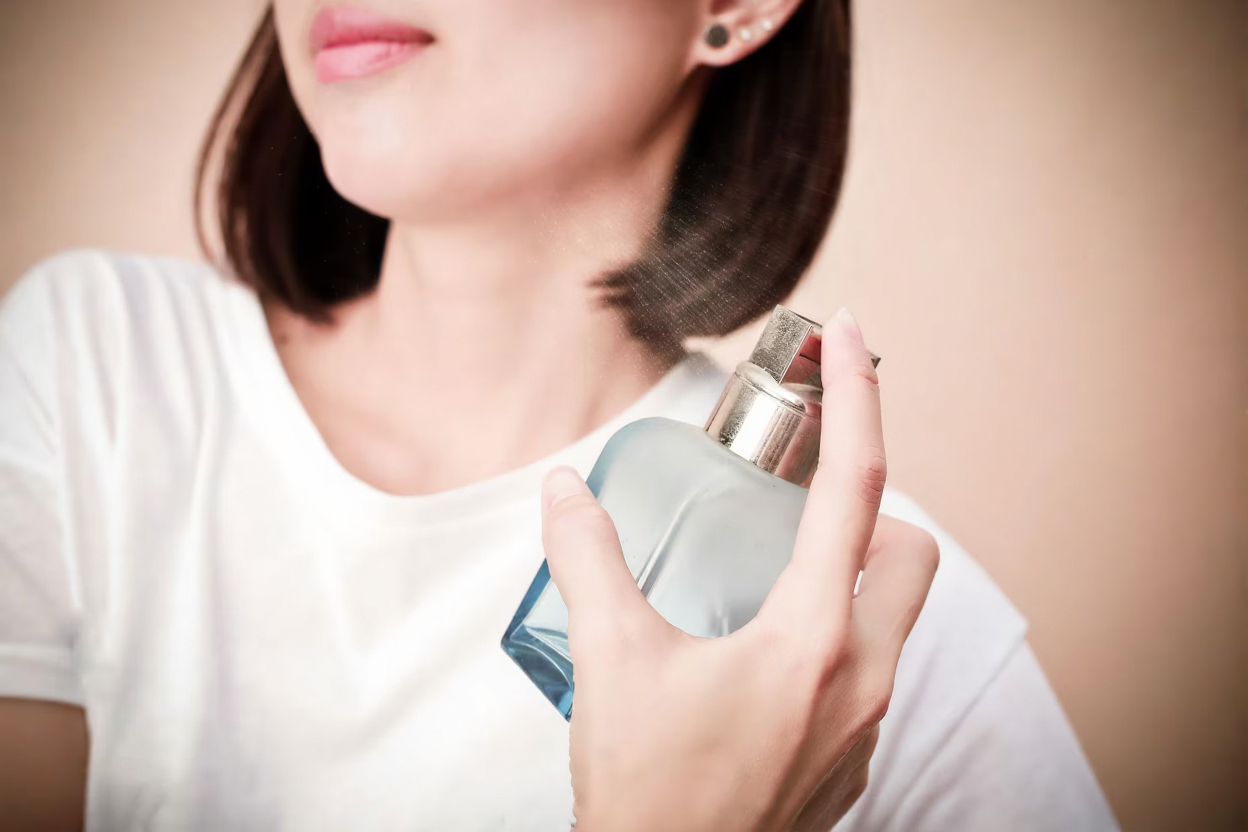
At its core, perfume production follows a structured process - beginning with the extraction or synthesis of aromatic ingredients and ending with packaging and distribution. It serves both cultural and commercial purposes, connecting ancient traditions of scent-making with modern manufacturing practices.
The production process generally includes the following key stages:
-
Sourcing ingredients: Essential oils, aroma chemicals, solvents, and fixatives are collected from natural and synthetic sources.
-
Blending and formulation: Perfumers, often called “noses,” mix top, middle, and base notes in precise ratios to create a balanced fragrance.
-
Maturation: The mixture is stored for several weeks or months to allow the components to harmonize.
-
Filtration and bottling: The matured fragrance is filtered to remove impurities and then bottled under hygienic conditions.
-
Quality control: Each batch is tested for consistency, safety, and scent longevity before being packaged for consumers.
Perfume production exists to meet a universal human desire — the wish to enhance appearance, evoke emotion, and express identity through scent.
Importance – Why Perfume Production Matters Today
Perfume production is more than just a creative pursuit. It is an essential part of the global cosmetics and personal care industry, influencing economies, consumer trends, and sustainability efforts.
Economic Importance:
The global perfume industry contributes billions of dollars to the economy each year. Fragrance production supports raw-material suppliers, manufacturers, designers, packaging companies, and retailers. It also drives innovation in related industries like biotechnology, chemical synthesis, and green chemistry.
Cultural and Social Role:
Perfume has deep cultural significance across societies. From ceremonial oils in ancient Egypt to modern designer fragrances, scents have always been linked to personal expression, confidence, and memory. In today’s globalized world, perfumes also reflect fashion trends, wellness ideals, and individuality.
Sustainability and Environmental Impact:
Modern perfume production addresses environmental challenges such as responsible sourcing of ingredients, ethical labor practices, and recyclable packaging. Many brands and laboratories now use renewable plant-based materials or lab-created substitutes to reduce strain on natural ecosystems.
Who It Affects:
-
Manufacturers and perfumers: Responsible for fragrance creation and quality.
-
Suppliers and chemists: Provide raw materials and ensure safe formulations.
-
Consumers: Seek reliable, safe, and appealing fragrances.
-
Regulators: Monitor ingredient use, labeling, and safety.
Key Benefits of Organized Perfume Production:
-
Ensures consumer safety through controlled formulations.
-
Encourages innovation in chemistry and sustainability.
-
Provides economic growth and job creation across industries.
-
Reduces environmental harm through modern technologies.
Recent Updates – Global Trends and Industry Shifts
Over the past year, the perfume industry has experienced several notable developments that reflect changing consumer expectations and technological advances.
1. Rise of Sustainable and Transparent Formulations:
Consumers increasingly demand transparency in ingredient sourcing and sustainability. Perfumers are turning to biodegradable bases, plant-derived alcohols, and ethical sourcing of natural extracts.
2. Growth of Personalized and AI-Assisted Perfumes:
Artificial Intelligence (AI) and data-driven tools now help perfumers predict consumer preferences and create custom scents. Personalized perfumes — where individuals select notes that match their personality - are becoming mainstream.
3. Expansion of Niche and Artisan Brands:
Smaller brands focusing on unique storytelling and rare ingredients are growing rapidly. Their emphasis on authenticity and small-batch production appeals to educated, eco-conscious buyers.
4. Regulatory Adjustments:
Many countries have tightened rules on allergens, packaging waste, and animal testing. The European Union, for example, expanded its allergen labeling list in 2025 to increase consumer awareness. Similar updates are being discussed in North America and Asia-Pacific markets.
5. Packaging Innovation and Refill Systems:
Luxury and mass-market perfume producers are adopting refillable bottles, recycled glass, and minimalist packaging to reduce environmental impact. This reflects a shift toward long-term sustainability goals within the cosmetics sector.
6. Digital Supply Chain Tracking:
Blockchain and digital labeling are being used to ensure transparency in ingredient origin, authenticity, and ethical sourcing, reducing counterfeit risks in the fragrance market.
Laws and Policies – Global Regulations and Compliance
Perfume production is governed by strict safety and labeling regulations around the world. Because fragrances are often classified as cosmetic products, they must comply with health and consumer protection laws.
European Union (EU):
-
The EU Cosmetics Regulation (EC) No 1223/2009 sets out rules for product safety, ingredient bans, and labeling requirements.
-
Manufacturers must perform a safety assessment and list potential allergens on product labels.
-
Testing on animals is prohibited for cosmetics sold in the EU.
United States:
-
The U.S. Food and Drug Administration (FDA) oversees cosmetic safety but does not require pre-market approval for perfumes.
-
However, manufacturers are responsible for ensuring that their products are safe for use and properly labeled.
-
Fragrance ingredients considered confidential are protected as trade secrets but must not pose health risks.
Asia-Pacific Region:
-
Countries like Japan, South Korea, and Australia have their own cosmetic regulations emphasizing product safety and ingredient transparency.
-
China has recently eased animal testing requirements for imported perfumes and cosmetics, promoting international collaboration.
Middle East and Latin America:
-
Many countries align their fragrance safety regulations with international standards from the International Fragrance Association (IFRA).
-
Some Gulf nations have introduced quality control certifications for imported fragrances to protect consumer safety.
Typical Label Requirements Worldwide:
-
Product name and brand
-
Manufacturer’s name and address
-
Batch or lot number for traceability
-
Ingredient list (in descending order of concentration)
-
Net content and storage instructions
-
Expiry date or shelf-life indication
-
Warning statements (if allergens or flammable materials are present)
These regulatory frameworks aim to protect consumers, encourage sustainable practices, and ensure fair trade across markets.
Tools and Resources – Helpful Aids and References
Anyone studying or working in perfume production can benefit from specialized tools, educational materials, and compliance resources.
Educational Tools:
-
Online fragrance composition simulators to experiment with scent combinations.
-
Ingredient databases listing essential oils, aroma chemicals, and their olfactory properties.
-
Tutorials and guides explaining note structures (top, middle, base).
Industry Resources:
-
Market research reports providing insights into consumer trends, sustainability, and packaging innovation.
-
Professional associations such as the International Fragrance Association (IFRA) that issue global safety standards.
-
Fragrance wheel charts that classify scents into families (floral, oriental, woody, fresh).
Compliance and Quality Tools:
-
Label checklists ensuring all required product information is printed.
-
Ingredient compliance software that verifies whether substances are restricted or banned in specific regions.
-
Quality testing templates for consistency, stability, and scent strength.
Creative Tools:
-
Scent-mixing spreadsheets or fragrance formulation templates.
-
Mood and theme boards used by perfumers to design new blends.
Table: Overview of Key Global Perfume Production Elements
| Category | Key Focus | Current Trend (2025) |
|---|---|---|
| Ingredients | Natural extracts, synthetic aroma chemicals | Sustainable and cruelty-free sourcing |
| Technology | Extraction, distillation, synthesis | AI-based formulation and data-driven blending |
| Packaging | Glass, metal, or eco-friendly materials | Refillable bottles and minimal waste |
| Safety | Product testing and labeling | Strict allergen disclosure and ethical standards |
| Market Demand | Luxury, niche, and wellness perfumes | Growth in personalized and gender-neutral scents |
FAQs – Clear and Factual Answers
Q1. What are the basic ingredients of perfume?
Perfumes are typically composed of fragrance oils (essential or synthetic), a solvent such as alcohol or water, and fixatives that help the scent last longer on the skin.
Q2. How long does it take to produce a perfume?
From concept to finished product, perfume development can take several months. The blending and aging process alone often lasts from 4 to 8 weeks to allow proper scent maturation.
Q3. Why are regulations important in perfume production?
Regulations ensure perfumes are safe for skin contact, labeled accurately, and do not contain banned or harmful substances. They also promote ethical manufacturing and transparency.
Q4. What are current challenges in the perfume industry?
Challenges include volatile raw-material prices, ingredient restrictions, counterfeit products, and the need for sustainable production practices. Maintaining consistency across batches is another key difficulty.
Q5. How is technology changing the perfume industry?
Technology enables virtual fragrance design, AI-assisted scent prediction, and blockchain tracking of ingredients. It also helps producers optimize production efficiency and reduce waste.
Conclusion
Perfume production combines art, science, and regulation to create fragrances that delight people worldwide. From ingredient extraction to final packaging, every step demands precision, creativity, and responsibility.
The global industry is undergoing a transformation driven by sustainability, personalization, and innovation. While classic perfumery traditions remain influential, modern production embraces technology, safety, and environmental awareness.
Understanding the basics of perfume production allows consumers, students, and professionals alike to appreciate what goes into every bottle - a fusion of culture, chemistry, and craftsmanship that continues to evolve with the times.

