Learn About Public Event Barrier Rentals: Expert Guidance, Help, and Event Management Insights
Public event barrier rentals refer to the temporary placement of crowd control barriers, fencing systems, and pedestrian management structures used during concerts, festivals, sports events, political gatherings, parades, exhibitions, and community programs. These barriers are designed to manage crowd movement, enhance public safety, and protect restricted areas.
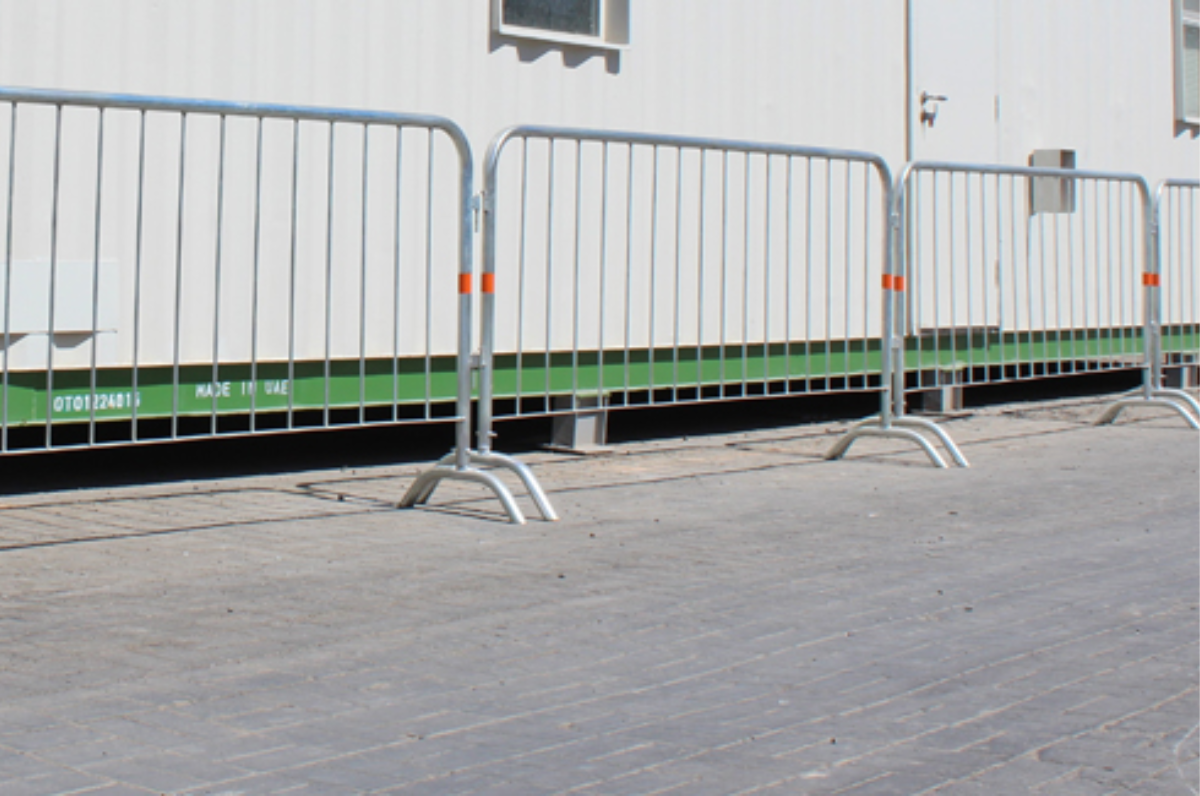
Barriers typically include metal barricades, interlocking pedestrian fences, bike rack barriers, water-filled safety barriers, and heavy-duty steel stage barricades. Their primary purpose is to create clear boundaries between attendees, performers, staff, emergency access routes, and restricted zones.
The concept exists because large gatherings can become unpredictable without structured crowd flow management. Whether it is a local cultural fair or a high-capacity stadium event, organizers must ensure safety compliance, event risk management, and structured access control. Public event barriers are part of broader event infrastructure planning that also includes security personnel, surveillance systems, and emergency response coordination.
In event management strategy, barriers function as physical risk mitigation tools. They help define entry and exit points, guide pedestrian traffic, prevent overcrowding, and support emergency evacuation procedures.
Why Public Event Barrier Rentals Matter Today
Crowd density and event scale have increased significantly in recent years. Urbanization, large-scale entertainment events, and public awareness campaigns often attract thousands of attendees. Without structured crowd management planning, the risk of stampedes, unauthorized access, or emergency response delays increases.
Public event barriers are important for several reasons:
-
Crowd Safety Management: They reduce the risk of crowd surges near stages or high-interest zones.
-
Access Control Systems: They help regulate VIP zones, media areas, and restricted backstage sections.
-
Emergency Route Protection: Clear corridors allow ambulance and fire services to move efficiently.
-
Liability Risk Reduction: Proper barrier planning supports public liability compliance and event insurance documentation.
-
Regulatory Compliance: Many municipalities require documented crowd control measures before granting event permits.
This topic affects:
-
Event planners and organizers
-
Municipal authorities
-
Stadium and venue operators
-
Security teams
-
Corporate event managers
-
Public safety agencies
It solves common challenges such as:
-
Overcrowding near entry gates
-
Line management issues
-
Uncontrolled pedestrian flow
-
Unauthorized access to restricted zones
-
Safety concerns during high-profile events
In modern event logistics planning, barrier layout diagrams are often integrated with crowd simulation software to predict pressure points and optimize positioning.
Recent Updates and Emerging Trends in Crowd Control Infrastructure
In the past year, several trends have influenced public event barrier planning and crowd management frameworks.
One notable shift is the increased integration of smart crowd monitoring systems. Event planners are now combining physical barriers with AI-based crowd density analytics, drone surveillance for perimeter monitoring, and real-time risk assessment dashboards. This hybrid approach supports proactive safety planning.
Sustainability has also become a consideration. Reusable modular barrier systems made from recyclable materials are increasingly adopted to align with environmental management standards.
Another development involves enhanced safety design standards. Heavy-duty stage barricades now include reinforced interlocking systems and anti-trip base plates to reduce fall hazards. This reflects broader updates in occupational health and safety guidelines for temporary event infrastructure.
There has also been a greater emphasis on emergency evacuation mapping. Event authorities are encouraging digital mapping tools that display crowd flow routes and barrier placement diagrams before event approval.
Technology-driven event risk assessment models are becoming more common, especially for high-capacity gatherings such as sports tournaments, music festivals, and political rallies.
Laws, Regulations, and Public Safety Policies
Public event barrier deployment is influenced by local government rules, building codes, and public assembly regulations. Requirements vary by country and municipality, but they generally fall under the following frameworks:
-
Public safety and crowd management regulations
-
Fire department clearance rules
-
Disaster management authority guidelines
-
Municipal event permit conditions
-
Occupational health and safety compliance
-
Stadium and public venue safety standards
Event organizers are typically required to submit:
-
Site layout maps showing barrier placement
-
Emergency evacuation route diagrams
-
Crowd capacity calculations
-
Risk assessment documentation
-
Public liability insurance details
In many jurisdictions, barriers must meet structural safety standards such as minimum height requirements, load-bearing capacity, and secure locking mechanisms.
Authorities may also require accessibility compliance to ensure pathways for individuals with disabilities are not obstructed. Crowd control infrastructure must align with universal accessibility guidelines.
Failure to follow regulatory requirements can result in event permit denial, penalties, or increased liability exposure.
Tools and Resources for Event Planning and Crowd Control
Several professional tools and digital resources support effective public event barrier planning.
Event organizers commonly use:
-
Crowd density calculators for estimating safe occupancy levels
-
Event site layout software to design barrier placement maps
-
Risk assessment templates for public safety documentation
-
Permit application portals managed by local municipalities
-
Emergency evacuation planning templates
-
GIS mapping tools for large outdoor venues
-
Event insurance risk evaluation checklists
Below is an example of a simple crowd capacity planning table:
| Area Type | Estimated Space per Person | Maximum Occupancy Example |
|---|---|---|
| Standing Concert Zone | 0.5–0.75 sq. meter | 1,300 persons per 1,000 sq. meter |
| Seated Arrangement | 1–1.2 sq. meter | 800 persons per 1,000 sq. meter |
| Entry Queue Area | 0.8–1 sq. meter | 1,000 persons per 1,000 sq. meter |
| Emergency Corridor | Restricted Access Only | Not counted in occupancy |
Advanced event management software may integrate:
-
Real-time attendee tracking
-
Security staff communication systems
-
Digital check-in monitoring
-
Incident reporting dashboards
These tools help align barrier placement with comprehensive crowd safety strategy.
Frequently Asked Questions
What types of barriers are used for public events?
Common types include metal barricades, bike rack barriers, steel stage barricades, water-filled barriers, and modular fencing systems. The choice depends on event size, location, and risk level.
How are barrier quantities calculated?
Barrier quantity is based on venue layout, estimated attendance, crowd density planning, and required restricted zones. Organizers use crowd capacity calculations and safety margin assessments to determine placement.
Are barriers mandatory for all public gatherings?
Requirements vary by location and event scale. Large gatherings typically require documented crowd control planning. Smaller events may still need basic perimeter management depending on municipal guidelines.
How do barriers improve emergency response?
Barriers create structured pathways that allow emergency vehicles and personnel to move without obstruction. They also prevent crowd congestion near exits.
What role do barriers play in event insurance compliance?
Insurance providers often require documented safety measures, including crowd management planning and risk mitigation infrastructure. Proper barrier planning supports liability documentation.
Conclusion
Public event barrier rentals are a key component of modern event safety planning and crowd control strategy. They provide structured movement, access control, and risk mitigation in environments where large groups gather.
As events continue to grow in scale and complexity, barrier systems are no longer just physical dividers. They are integrated elements within broader frameworks that include event risk assessment, emergency planning, digital monitoring systems, and regulatory compliance.
Understanding how barriers function, how they align with public safety policies, and how they integrate with event management tools enables organizers to create secure and well-managed gatherings. By combining thoughtful planning, regulatory awareness, and appropriate infrastructure, public events can maintain both safety and operational efficiency.
Public safety, structured crowd management, and compliance-focused planning remain essential pillars of responsible event organization.

