Learn About Rose Gold Engagement Rings: Overview, Advice, Details & Facts
Rose gold engagement rings are jewelry pieces crafted from a gold alloy that blends pure gold with copper to create a warm pink tone. Unlike yellow gold, which maintains a classic golden appearance, or white gold, which is plated for a silvery finish, rose gold has a naturally soft blush color due to its metal composition.
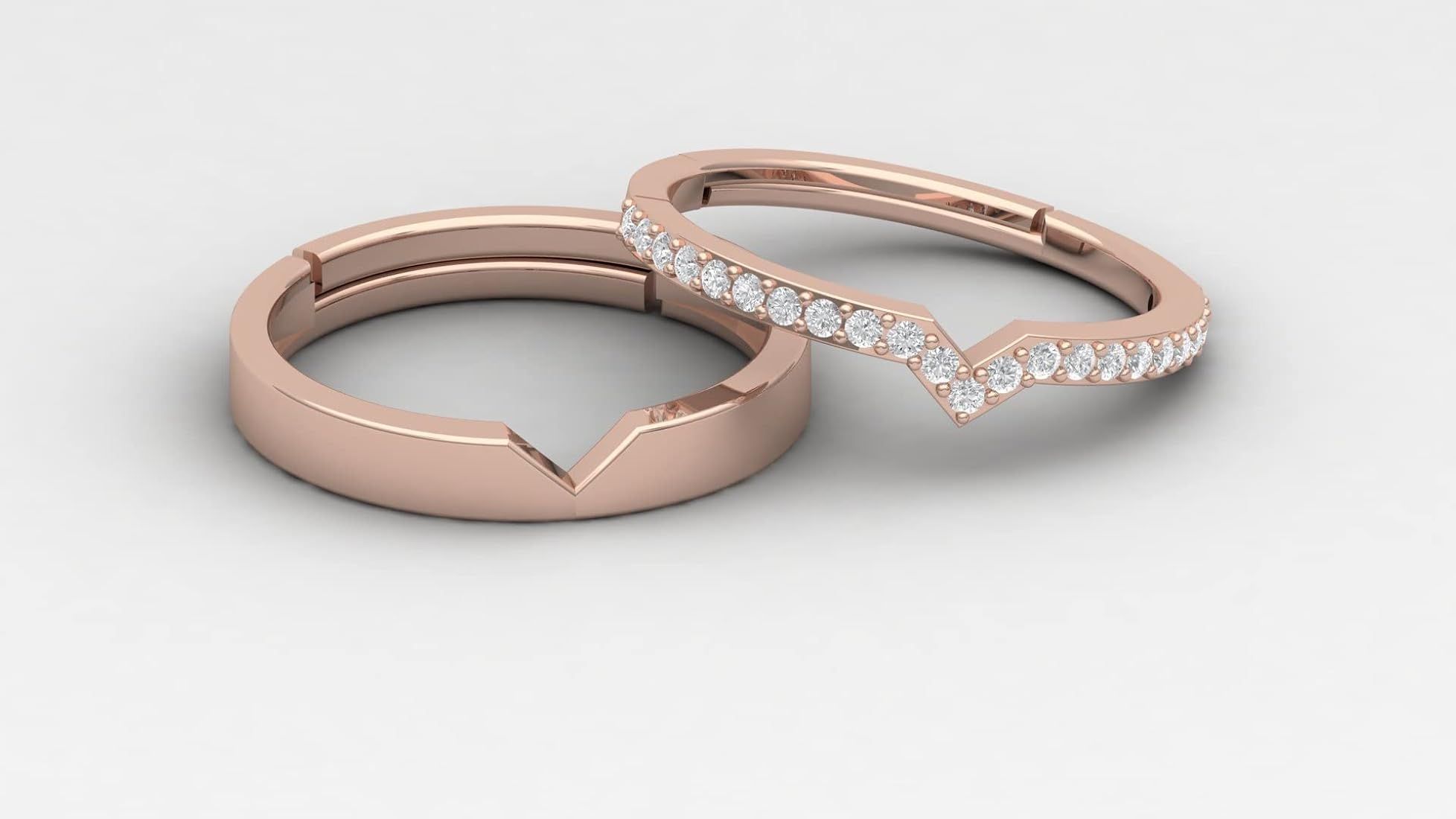 Gold in its pure form (24K gold) is too soft for everyday wear. To improve durability, it is mixed with other metals. In rose gold, copper is the primary alloy metal, and sometimes a small amount of silver is added to balance the tone. The percentage of pure gold determines whether the ring is 18K, 14K, or 10K.
Rose gold engagement rings exist because couples often seek alternatives to traditional yellow or white gold. The metal offers a distinct appearance while maintaining strength suitable for daily use. It pairs well with various diamond shapes, gemstone settings, and contemporary ring designs.
Common features include:
-
Diamond solitaire settings
-
Halo engagement ring styles
-
Vintage-inspired filigree details
-
Oval, round, emerald, and pear-cut center stones
-
Pavé or micro-pavé band designs
Rose gold is often selected for its warm tone, which complements different skin tones and enhances the brilliance of diamonds and colored gemstones.
Importance
Rose gold engagement rings matter today because personal expression has become central to jewelry choices. Many individuals want engagement rings that reflect individual style rather than following a single traditional standard.
Several reasons explain the growing attention toward rose gold jewelry:
-
It offers a modern yet vintage-inspired appearance.
-
It pairs well with both lab-grown diamonds and natural diamonds.
-
It tends to show fewer scratches compared to white gold plating, since it does not rely on rhodium coating.
-
It complements a wide range of fashion trends.
Rose gold is particularly relevant for people who:
-
Prefer warm-toned metals
-
Want a distinctive engagement ring aesthetic
-
Are interested in durable gold alloy jewelry
-
Value metal purity certifications and hallmarking
It also addresses practical concerns. White gold rings require periodic replating to maintain their bright finish. Rose gold does not need plating, reducing long-term maintenance requirements. Additionally, the copper content increases hardness compared to pure gold, making it suitable for daily wear.
For individuals researching diamond quality, rose gold provides contrast that can enhance the appearance of certain stone cuts. This makes it a frequent option in diamond engagement ring settings.Recent Updates
In the past year, several jewelry industry reports and design forecasts have highlighted ongoing interest in rose gold engagement rings. Jewelry trend summaries released in early months of the current year show continued demand for mixed-metal styles, including combinations of rose gold with platinum or yellow gold accents.
Key developments include:
-
Increased interest in lab-grown diamond engagement rings set in rose gold
-
Greater transparency in gold sourcing and supply chain documentation
-
Expansion of recycled gold usage in fine jewelry manufacturing
-
Growth in oval and pear-shaped diamond settings paired with rose gold bands
Industry exhibitions and jewelry trade fairs have also noted a rise in minimalist designs featuring slim rose gold bands with larger center stones. At the same time, vintage-inspired milgrain and intricate detailing remain popular.
Technology has improved manufacturing precision. Computer-aided design (CAD) software is widely used to create custom engagement ring settings in rose gold, ensuring accurate stone placement and structural integrity.
Sustainability reporting has also become more visible. Some manufacturers now publish sourcing information related to responsible gold mining practices and recycled metal content.
Laws or Policies
Rose gold engagement rings are affected by jewelry regulations and consumer protection laws in many countries. These regulations focus on gold purity, hallmarking, and accurate labeling.
In India, gold jewelry must comply with standards set by the Bureau of Indian Standards (BIS). Hallmarking verifies the purity of gold, such as 22K or 18K. A BIS hallmark typically includes:
-
The BIS logo
-
Purity grade (for example, 18K or 750)
-
Assay center identification mark
-
Jeweler identification mark
In the United States, the Federal Trade Commission (FTC) provides guidelines for precious metal advertising and labeling. If a ring is described as 18K gold, it must meet the required gold content standard. Misrepresentation of metal purity can result in legal penalties.
In the United Kingdom, hallmarking laws require gold items above a certain weight to be tested and marked by an approved assay office. The hallmark confirms metal fineness and authenticity.
These policies help consumers verify that a rose gold engagement ring contains the stated percentage of gold. They also protect against misleading claims related to diamond grading or gemstone quality.
Diamond grading itself is influenced by recognized gemological laboratories such as the Gemological Institute of America (GIA), which provides standardized reports detailing cut, clarity, color, and carat weight.
Tools and Resources
Several tools and resources support informed decisions about rose gold engagement rings and diamond jewelry.
Gold Purity Reference Table
| Karat | Gold Content (%) | Common Use in Engagement Rings |
|---|---|---|
| 24K | 99.9% | Rare for rings (too soft) |
| 18K | 75% | Fine jewelry, rich color |
| 14K | 58.3% | Durable everyday wear |
| 10K | 41.7% | Higher durability, lighter tone |
Diamond Quality Overview
| Factor | What It Measures | Why It Matters |
|---|---|---|
| Cut | Light performance | Affects sparkle |
| Color | Presence of tint | Impacts appearance |
| Clarity | Internal flaws | Affects transparency |
| Carat | Weight of diamond | Determines size |
Helpful tools include:
-
Ring size measurement guides
-
Diamond carat comparison charts
-
CAD design previews for custom engagement rings
-
Gold alloy composition charts
-
Hallmark verification reference materials
Gemological education resources from recognized institutions provide information on gemstone certification standards. Jewelry appraisal templates can also help document ring details for insurance purposes.
Maintenance guides often recommend:
-
Mild soap and warm water cleaning
-
Soft-bristle brush for stone settings
-
Periodic inspection of prongs
-
Safe storage in a fabric-lined box
These tools improve understanding of metal durability, diamond settings, and long-term care.
FAQs
What gives rose gold its pink color?
Rose gold gets its pink tone from copper mixed into pure gold. The higher the copper content, the deeper the reddish color.
Is rose gold durable for daily wear?
Yes. The copper alloy increases hardness compared to pure gold. Many engagement rings use 14K or 18K rose gold, which balances durability and appearance.
Does rose gold require replating like white gold?
No. White gold often requires rhodium plating to maintain brightness. Rose gold has a natural color and does not need plating.
Can rose gold hold lab-grown diamonds?
Yes. Rose gold engagement ring settings are compatible with both natural and lab-grown diamonds. The setting structure depends on design and craftsmanship rather than the diamond’s origin.
Will rose gold change color over time?
Rose gold may develop a subtle patina due to copper oxidation, but it does not tarnish in the same way as silver. Regular cleaning helps maintain its appearance.
Conclusion
Rose gold engagement rings combine aesthetic appeal with practical durability. Their distinctive pink hue comes from a blend of gold and copper, creating a metal that is both strong and visually warm.
Today, these rings are chosen for personal expression, compatibility with various diamond cuts, and reduced maintenance compared to plated metals. Industry updates show continued interest in sustainable sourcing, lab-grown diamonds, and custom-designed settings.
Regulations such as hallmarking requirements and gold purity standards provide consumer protection, ensuring accurate labeling and transparency. Tools like diamond grading reports, karat reference tables, and CAD previews support informed decision-making.
By understanding alloy composition, certification practices, and care guidelines, individuals can approach rose gold engagement rings with clarity and confidence. The metal’s balance of tradition and contemporary design makes it a lasting option within fine jewelry.

