Learn About Smart Kitchen Tools: Expert Tips, Insights and Complete Guide

Smart kitchen tools are connected appliances and digital cooking devices that use technologies such as Wi-Fi, Bluetooth, sensors, and artificial intelligence to automate, monitor, or enhance kitchen tasks. These tools range from smart refrigerators and app-controlled ovens to digital food thermometers and automated coffee machines.
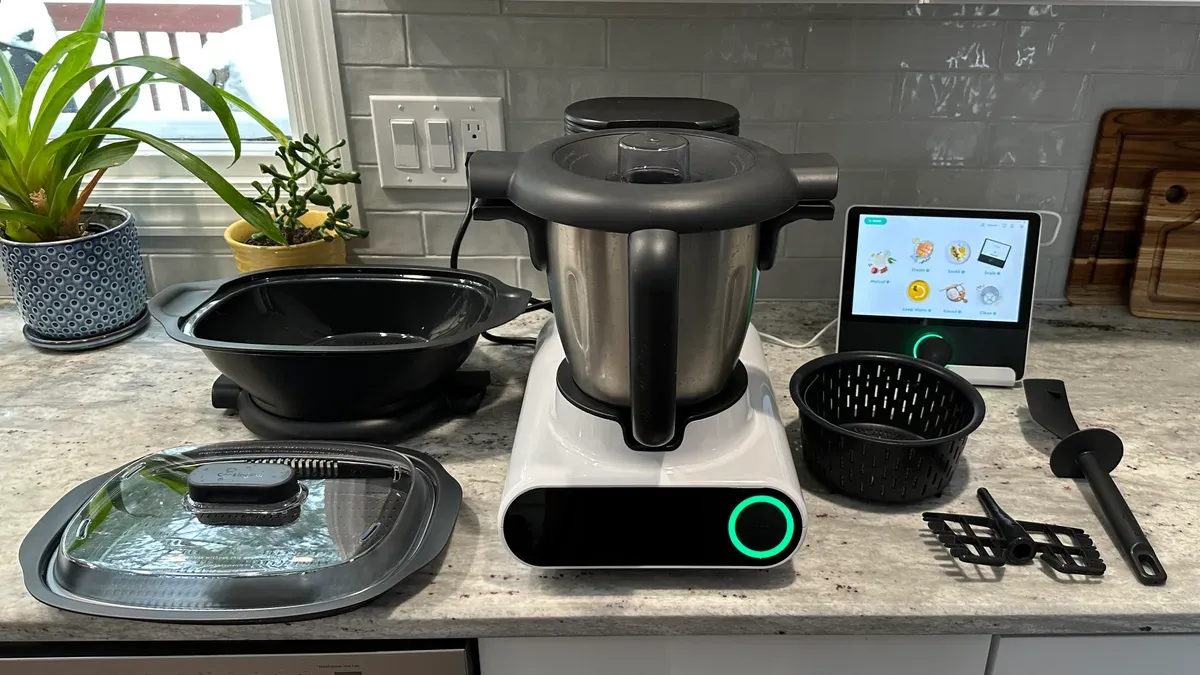
They exist because modern households increasingly rely on smart home automation systems to improve efficiency and convenience. As lifestyles become busier and urban living spaces become more compact, technology has moved into the kitchen to simplify meal preparation, reduce food waste, and improve safety.

At their core, smart kitchen appliances combine hardware with software. Many devices integrate with platforms like Amazon Alexa, Google Home, or Apple HomeKit, allowing users to control functions through voice commands or mobile apps. This integration is part of a larger smart home ecosystem where lighting, security, and appliances work together.

Common examples include:

  • Smart refrigerators with internal cameras and inventory tracking

  • App-connected air fryers and multi-cookers

  • Precision cooking devices like sous vide machines

  • AI-powered recipe apps

  • Smart kitchen scales with nutrition tracking

The purpose of these tools is not just convenience, but also efficiency, data tracking, and improved cooking accuracy.

Why Smart Kitchen Technology Matters Today

Smart kitchen technology is increasingly relevant because it addresses several modern challenges:

Energy efficiency, food waste, time management, and food safety are key concerns in many households. Smart appliances are designed to help manage these issues more effectively.

For households, smart kitchen devices provide:

  • Improved energy monitoring: Some appliances track electricity consumption and provide energy analytics.

  • Reduced food waste: Smart fridges can track expiry dates and send alerts.

  • Cooking precision: Digital thermometers and AI-guided cooking reduce undercooking or overcooking.

  • Time optimization: Automated meal planning and remote preheating streamline daily routines.

For people managing specific diets, smart nutrition tracking tools can analyze ingredients and calculate calorie intake. Families with busy schedules benefit from programmable meal planning systems.

Below is a simplified comparison table showing traditional vs smart kitchen functionality:

FeatureTraditional AppliancesSmart Kitchen Tools
Remote ControlNoYes (via app)
Energy MonitoringLimitedDetailed tracking
Voice IntegrationNoYes
Data CollectionNoneUsage analytics
Recipe GuidanceManual cookbooksAI-powered apps

The integration of Internet of Things (IoT) technology in kitchens also contributes to the growth of smart home security systems and energy-efficient appliances, which are high-value sectors in digital home innovation.

Recent Trends in Smart Kitchen Innovation

Recent developments in smart kitchen tools reflect rapid technological advancement and consumer demand for sustainability and automation.

One key trend is AI-powered cooking assistants. Companies like Samsung and LG have introduced smart refrigerators with internal cameras and AI meal suggestions. These systems analyze stored ingredients and recommend recipes based on available items.

Another trend is enhanced energy efficiency. Modern induction cooktops and connected dishwashers now include energy usage dashboards. Users can view detailed consumption metrics via mobile apps, contributing to smart energy management.

Voice-controlled cooking has also expanded. Integration with virtual assistants allows hands-free control, which improves kitchen hygiene and accessibility.

Additionally, data privacy features have become more prominent. Manufacturers are increasingly implementing encrypted connections and user permission controls to protect personal data collected by connected appliances.

Sustainability is another growing theme. Smart composting devices and food preservation systems are becoming more common, aligning with environmental awareness campaigns and waste reduction initiatives.

Laws, Regulations, and Policy Considerations

Smart kitchen tools are influenced by multiple regulatory frameworks, depending on the country.

In many regions, connected appliances must comply with electrical safety standards and data protection regulations. For example:

  • Data privacy laws regulate how user data from smart devices is stored and processed.

  • Energy efficiency labeling programs require appliances to display standardized ratings.

  • Wireless communication regulations govern Bluetooth and Wi-Fi compliance.

In countries with strong consumer protection laws, manufacturers must provide clear warranty information and transparent data usage disclosures.

Energy certification programs also affect smart kitchen technology adoption. Appliances may require energy efficiency ratings that comply with national standards, influencing how products are designed and marketed.

In the European context, companies must align with General Data Protection Regulation when handling user data from connected devices.

In the United States, agencies such as the Federal Trade Commission oversee consumer protection related to digital product claims and data usage transparency.

These regulatory frameworks ensure that smart appliances meet safety, cybersecurity, and energy compliance standards.

Helpful Tools and Resources

Several digital tools and platforms support the effective use of smart kitchen technology.

Smart home management apps:

  • Google Home app for centralized device control

  • Amazon Alexa app for voice automation

  • Apple HomeKit for integrated device ecosystems

Nutrition and cooking support apps:

  • MyFitnessPal for dietary monitoring

  • Yummly for personalized meal suggestions

Energy monitoring dashboards:

  • Built-in appliance dashboards

  • Utility provider energy tracking systems

Below is a simplified visual representation of smart kitchen system interaction:

ComponentFunction
Smart ApplianceExecutes automated cooking or storage
Mobile ApplicationRemote monitoring and control
Cloud PlatformData processing and analytics
Voice AssistantHands-free commands

These tools help users understand appliance performance, track usage patterns, and optimize kitchen workflows.

Frequently Asked Questions

What makes a kitchen tool “smart”?

A kitchen tool is considered smart when it connects to the internet or other devices and provides remote control, automation, data tracking, or AI-based assistance.

Are smart kitchen appliances energy efficient?

Many smart appliances are designed with energy-efficient technologies and provide usage analytics. However, efficiency depends on the specific product and how it is used.

Do smart kitchen tools collect personal data?

Some connected devices collect usage data, preferences, and system diagnostics. Reputable manufacturers provide privacy settings and disclosures outlining how data is handled.

Can smart kitchen tools work without internet access?

Basic functionality usually remains available, but advanced features such as remote control, app integration, or cloud-based analytics may require an internet connection.

Are smart kitchen tools compatible with all smart home systems?

Compatibility depends on the device and ecosystem. Some appliances integrate with multiple platforms, while others are limited to specific smart home ecosystems.

Practical Insights for Using Smart Kitchen Devices

To maximize benefits from smart kitchen tools:

  • Regularly update device firmware for improved security.

  • Review privacy settings within associated apps.

  • Monitor energy dashboards to optimize usage patterns.

  • Use automation features thoughtfully rather than relying entirely on presets.

A simple graph illustrating user priorities in smart kitchen adoption:

Energy Efficiency ██████████
Convenience ████████████
Food Safety █████████
Automation ███████████
Data Tracking ████████

This representation shows that convenience and energy efficiency are typically leading factors driving adoption.

Conclusion

Smart kitchen tools represent a significant advancement in home technology. By combining IoT connectivity, AI-powered automation, and energy monitoring capabilities, these devices enhance cooking precision, improve household efficiency, and support sustainable practices.

They matter because they address modern challenges such as time constraints, energy management, and food waste reduction. Regulatory frameworks ensure that safety and privacy standards are maintained, while ongoing innovation continues to expand functionality.

Understanding how smart kitchen appliances work, what regulations apply, and how to use supporting tools can help individuals make informed decisions about integrating technology into their kitchens.

As digital home ecosystems continue evolving, smart kitchen technology is likely to remain a central component of connected living environments.