Learn About Smart Power Meters: Explanation, Resources, and Key Facts
Smart power meters are digital devices used to measure electricity usage with higher accuracy and greater detail than traditional meters. They are designed to record energy consumption automatically and share readings with energy systems at regular intervals. The main purpose of smart power meters is to improve how electricity is monitored, managed, and understood by both users and utilities.
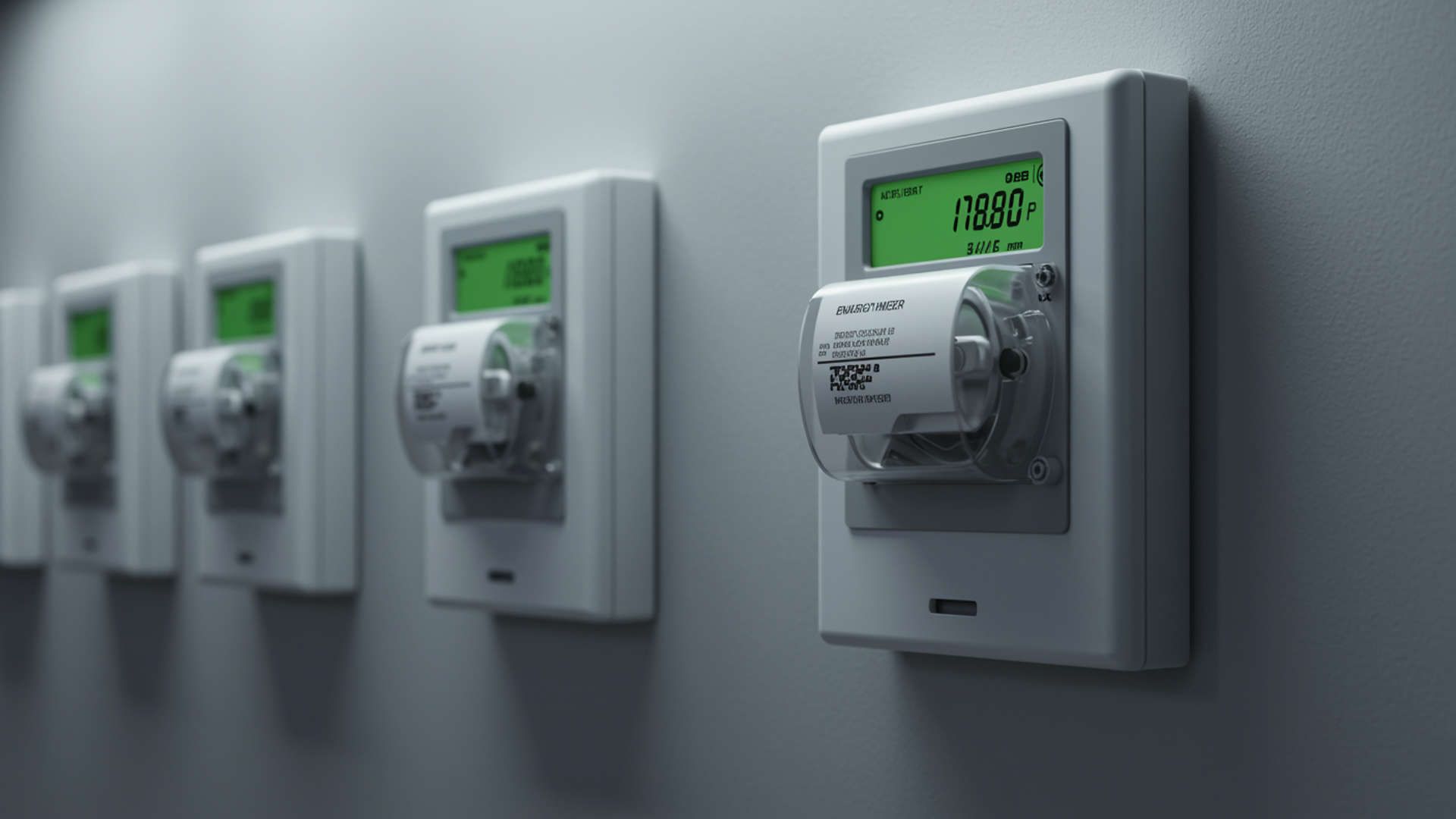
Traditional meters require manual readings and usually show only total usage over a long period. Smart power meters exist to address these limits. They capture real-time or near real-time data, helping modern electricity networks operate more efficiently. As power systems become more complex due to renewable energy, electric vehicles, and higher demand, smart power meters support better planning and control.
Why Smart Power Meters Matter Today
Smart power meters play an important role in today’s energy environment. Electricity demand continues to grow, and power systems must balance reliability, efficiency, and sustainability. These meters help different groups in distinct ways.
For households, smart power meters make electricity usage easier to understand. Clear data can show when energy use is high or low, supporting informed decisions about daily habits. For businesses and industries, detailed consumption records help track patterns and identify inefficiencies.
For utilities and grid operators, smart power meters improve system visibility. They reduce the need for manual meter reading and help detect outages, voltage issues, or unusual usage patterns more quickly. This leads to better grid stability and faster response to problems.
Key problems addressed by smart power meters include:
-
Limited visibility into real electricity usage
-
Delays caused by manual data collection
-
Difficulty managing peak demand
-
Challenges integrating renewable energy sources
By solving these issues, smart power meters support smarter energy management across the entire power network.
Recent Developments and Ongoing Trends
In the recent period, smart power meter technology has continued to evolve. One major trend is improved data accuracy combined with lower power consumption by the meters themselves. Modern designs focus on long device life and reliable communication.
Another development is stronger integration with smart grids. Smart power meters increasingly work alongside sensors, automation systems, and energy management platforms. This allows better load balancing and quicker detection of technical issues.
Data security has also received more attention. Newer systems emphasize encrypted communication and secure storage to protect user information. Interoperability is another focus area, with meters designed to work across different platforms and grid systems.
There is also growing use of analytics based on smart meter data. Aggregated information supports forecasting, demand analysis, and grid planning without relying on manual estimates.
Rules, Policies, and Regulatory Influence
Smart power meters are influenced by national and regional energy policies. Many governments encourage advanced metering as part of broader energy modernization programs. These initiatives aim to improve efficiency, reduce losses, and support cleaner energy integration.
Regulations often define technical standards for accuracy, communication protocols, and data protection. Compliance with these rules ensures that smart power meters provide reliable readings and protect consumer information.
In some regions, smart metering programs are linked to national energy efficiency targets or smart grid frameworks. Policies may also guide how meter data can be used, shared, and stored, ensuring transparency and accountability within the power sector.
Overall, laws and policies shape how smart power meters are deployed and operated, aligning technology with long-term energy goals.
Helpful Tools and Learning Resources
Several tools and resources support understanding and using smart power meter data. These resources focus on education, monitoring, and analysis rather than commercial activity.
Common categories include:
-
Energy monitoring dashboards that visualize usage patterns
-
Consumption analysis calculators for comparing time-based usage
-
Grid data platforms used for research and planning
-
Educational guides explaining smart metering concepts
-
Technical standards documents for meter specifications
Below is a simple table showing examples of resource types and their purpose:
| Resource Type | Main Purpose |
|---|---|
| Monitoring dashboards | Visualize real-time energy use |
| Data analytics tools | Identify trends and anomalies |
| Educational materials | Explain smart metering basics |
| Standards documentation | Define accuracy and safety rules |
These tools help users, researchers, and planners gain practical insights from smart power meter data.
Common Questions About Smart Power Meters
What is the main difference between smart power meters and traditional meters?
Smart power meters automatically record and transmit electricity usage data at regular intervals. Traditional meters usually require manual readings and provide limited usage detail.
Do smart power meters measure electricity in real time?
Many smart power meters measure usage at short intervals. While not always instant, the data is much more frequent than older meter systems.
How do smart power meters support energy efficiency?
By providing detailed usage information, smart power meters help identify high-consumption periods and inefficiencies, supporting better energy management decisions.
Are smart power meters accurate?
Smart power meters are built to meet strict accuracy standards defined by regulations. Digital measurement reduces errors associated with manual readings.
How is data from smart power meters protected?
Modern smart power meter systems use secure communication methods and data protection rules to reduce the risk of unauthorized access.
Summary and Key Takeaways
Smart power meters are an important part of modern electricity systems. They exist to provide accurate, timely, and detailed information about energy usage. This data supports households, businesses, and utilities in managing electricity more effectively.
Their importance continues to grow as power networks become more complex and data-driven. Ongoing developments focus on better integration, stronger security, and improved analytics. Policies and regulations guide their deployment, ensuring reliability and transparency.
With the help of monitoring tools, educational resources, and clear standards, smart power meters contribute to a more informed and efficient energy ecosystem.

