Learn About Transformer Winding Machines: Detailed Information, Mechanism, and Modern Technology Trends
Transformer winding machines are specialized industrial equipment used to wind copper or aluminum conductors into coils for electrical transformers. These coils form the core component of transformers, which regulate voltage levels in power distribution systems, renewable energy installations, and industrial machinery.
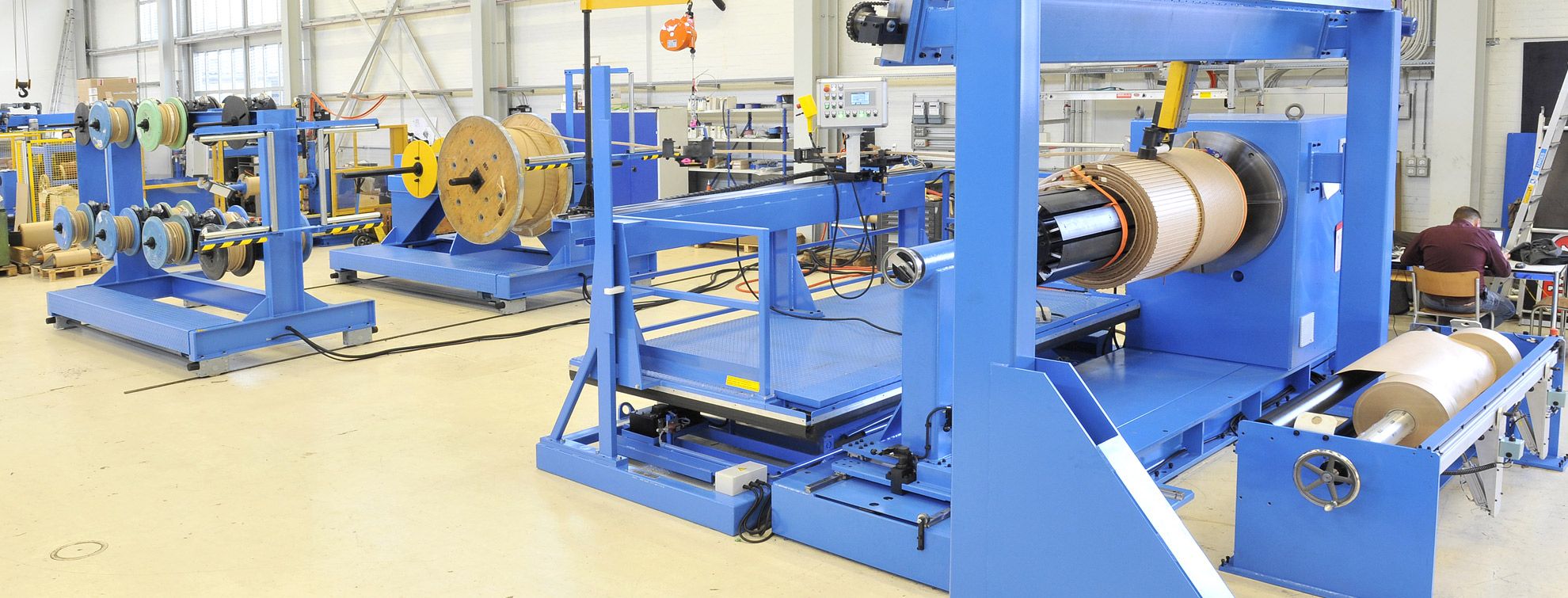
A transformer works by transferring electrical energy between circuits through electromagnetic induction. To function properly, it requires precisely wound primary and secondary coils. Transformer winding machines automate this coil production process to ensure:
-
Accurate turn counts
-
Uniform tension control
-
Consistent insulation spacing
-
Reduced manufacturing errors
Manual winding was once common in small workshops. However, as power systems expanded and electrical grid infrastructure became more complex, automated winding machines became essential for precision engineering and industrial scalability.
Today, these machines are used in:
-
Power transformer manufacturing
-
Distribution transformer production
-
Renewable energy equipment assembly
-
Electric vehicle charging infrastructure
-
Industrial motor and generator production
In modern electrical manufacturing, transformer winding machines are considered a key component of industrial automation systems.
Importance – Why Transformer Winding Machines Matter Today
Transformer winding machines play a vital role in global power infrastructure. Electricity demand continues to grow due to urban expansion, digital infrastructure, electric mobility, and renewable energy integration. Efficient transformer production supports stable and reliable power systems.
Key reasons this topic matters:
Electrical Grid Stability
Power transmission and distribution depend on high-quality transformers. Accurate coil winding directly affects transformer efficiency and operational lifespan.
Energy Efficiency Optimization
Precision winding reduces electrical losses. Proper insulation and spacing improve thermal performance and reduce energy waste.
Industrial Automation and Manufacturing Efficiency
Modern winding machines use CNC controls and programmable logic controllers (PLC systems) to maintain consistent output and reduce downtime.
Support for Renewable Energy Projects
Solar farms and wind power systems rely on transformers to integrate generated electricity into national grids.
High-Precision Electrical Engineering Standards
Transformer manufacturers must meet strict quality assurance standards. Automated winding ensures compliance with international performance benchmarks.
The following table highlights how transformer winding machines address industry needs:
| Industrial Challenge | Machine-Based Solution |
|---|---|
| Inconsistent coil tension | Automated tension control systems |
| Human counting errors | Digital turn counting systems |
| Insulation misalignment | Programmable layering controls |
| Low production efficiency | CNC-based high-speed winding |
| Thermal inefficiency | Optimized conductor spacing |
Because transformers are essential to nearly every industrial sector, winding technology indirectly affects power reliability, manufacturing productivity, and energy efficiency worldwide.
Mechanism – How Transformer Winding Machines Work
Transformer winding machines combine mechanical precision and digital control systems.
The core mechanism includes:
-
Spindle system to hold the transformer core or winding form
-
Wire guiding mechanism for even layering
-
Tension control system to maintain consistent conductor pressure
-
Digital counter to track the number of turns
-
Control panel or CNC interface
The working process typically follows these steps:
-
The conductor wire is loaded onto a feed spool.
-
The machine spindle rotates at a controlled speed.
-
The wire guide moves horizontally to distribute the wire evenly.
-
Tension sensors maintain uniform winding pressure.
-
Insulation layers are inserted between winding layers when required.
Below is a simplified overview of machine components and their functions:
| Component | Function |
|---|---|
| Spindle Motor | Rotates the winding form |
| Wire Guide Assembly | Ensures even distribution |
| Tension Controller | Maintains constant wire tension |
| PLC/CNC Control System | Manages automation and programming |
| Safety Shielding System | Protects operators during operation |
Advanced machines may include servo motors, automatic taping units, and real-time quality monitoring systems.
Recent Updates – Modern Technology Trends in Transformer Winding
In recent months, transformer winding technology has evolved in response to global electrification and digital manufacturing trends.
Increased Adoption of CNC Winding Systems
Manufacturers are integrating computer numerical control systems to enhance accuracy and reduce setup time.
AI-Based Quality Monitoring
Some advanced systems now use artificial intelligence algorithms to detect coil defects during production.
IoT Integration in Manufacturing Units
Industrial IoT sensors are being used to monitor vibration, temperature, and machine efficiency in real time.
Energy-Efficient Motor Systems
New-generation servo motors improve energy efficiency and reduce mechanical wear.
Digital Twin Technology
Digital simulation models are increasingly used to test winding configurations before physical production.
Compact Designs for Smart Manufacturing Facilities
Space-efficient winding systems are being developed for urban manufacturing environments.
These updates reflect broader trends in industrial automation, smart factory systems, and predictive maintenance technologies.
Laws or Policies – Regulatory and Compliance Considerations
Transformer winding machines are affected by national and international electrical safety standards. These regulations ensure that transformers meet operational and safety benchmarks.
Common regulatory frameworks include:
-
Electrical equipment manufacturing standards
-
Industrial machinery safety regulations
-
Energy efficiency compliance requirements
-
Workplace safety guidelines
In many countries, transformer production must align with standards issued by:
-
National electrical safety authorities
-
Industrial quality control boards
-
Energy regulatory commissions
Regulations often address:
-
Insulation quality
-
Thermal performance limits
-
Short-circuit resistance
-
Environmental compliance
-
Worker safety protections
Government programs focused on renewable energy expansion and power infrastructure upgrades indirectly increase demand for high-precision transformer winding systems.
Industrial compliance is critical because transformers are used in power grids, hospitals, data centers, and manufacturing plants where reliability is essential.
Tools and Resources – Helpful Industrial and Technical Tools
Several tools and resources support transformer winding operations and electrical manufacturing optimization.
Design and Simulation Software
-
Electrical CAD software for coil design
-
Transformer design calculators
-
Load and loss estimation tools
Industrial Automation Tools
-
PLC programming platforms
-
CNC configuration software
-
Industrial monitoring dashboards
Measurement Instruments
-
Digital insulation testers
-
Thermal imaging cameras
-
Resistance measurement devices
-
Turn ratio testers
Quality Assurance Resources
-
Standardized testing templates
-
Manufacturing process checklists
-
Production performance tracking sheets
Below is a sample overview of common tools used in transformer coil production:
| Tool Type | Purpose |
|---|---|
| Transformer Design Software | Coil dimension planning |
| Insulation Tester | Verifies dielectric strength |
| PLC Interface | Automates machine operation |
| Production Analytics Dashboard | Monitors output efficiency |
These tools improve productivity, ensure compliance, and reduce manufacturing errors in industrial electrical equipment production.
FAQs – Frequently Asked Questions
What is the main function of a transformer winding machine?
It automates the process of winding conductive wire into transformer coils with precise turn counts, tension control, and insulation layering.
Why is tension control important in winding?
Incorrect tension can cause loose coils or damaged insulation, leading to overheating and reduced transformer lifespan.
Are transformer winding machines fully automated?
Many modern machines are semi-automatic or fully automated using PLC and CNC systems, though manual supervision remains important.
What materials are used for transformer winding?
Copper and aluminum conductors are commonly used due to their electrical conductivity properties.
How does automation improve transformer manufacturing?
Automation reduces human error, increases consistency, enhances safety, and supports high-volume production.
Conclusion
Transformer winding machines are essential components of modern electrical manufacturing. They enable accurate coil production, which directly affects transformer efficiency, durability, and energy performance.
As global electricity demand rises and renewable energy integration expands, high-precision winding systems support stable power infrastructure. Advances in automation, AI monitoring, and smart manufacturing technologies continue to improve reliability and operational efficiency.
Understanding transformer winding machines helps explain how industrial automation contributes to safer, more efficient electrical systems worldwide.

