Learn About Vacuum Packaging Machines: Detailed Explanation, Packaging Techniques, Tips, and Industry Informatio
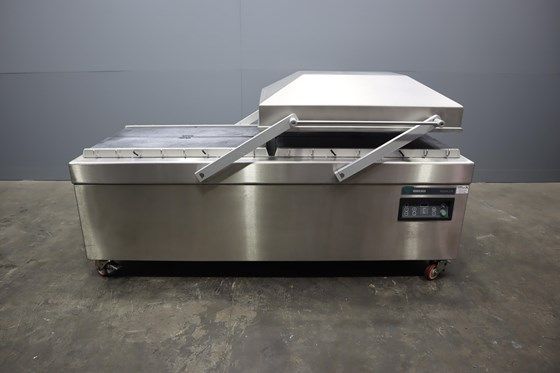
Vacuum packaging machines are industrial and commercial devices designed to remove air from a package before sealing it. This process helps preserve the contents by reducing oxygen exposure, which can cause spoilage, oxidation, and contamination. Vacuum packaging technology is widely used in industries such as food processing, pharmaceuticals, electronics, and manufacturing.
Why Vacuum Packaging Machines Matter Today
Vacuum packaging plays an essential role in product preservation, logistics efficiency, and quality control. As global trade and food distribution networks expand, maintaining product freshness and safety during transport has become increasingly important.
One major advantage of vacuum packaging is the extension of shelf life. Removing air significantly slows the growth of bacteria and mold, which helps preserve perishable goods. This is particularly valuable in food production and cold chain logistics.
Another important benefit is product protection. Vacuum packaging protects products from moisture, dust, and environmental contamination. This is especially important in pharmaceutical packaging technology and electronics packaging systems.
Industries benefit from vacuum packaging in several ways:
- Reduced product spoilage and waste
- Improved storage efficiency due to compact packaging
- Enhanced hygiene and contamination control
- Protection from oxidation and moisture damage
- Improved product appearance and presentation
The technique also supports international transportation. Many exported food products rely on vacuum packaging systems to maintain freshness during long shipping periods.
Vacuum packaging is also closely connected to sustainability initiatives. By extending shelf life and reducing food waste, this technology helps improve supply chain efficiency and environmental responsibility.
The following table highlights how vacuum packaging supports different industries.
| Industry Sector | Packaging Purpose | Key Benefit |
|---|---|---|
| Food Processing | Freshness preservation | Longer shelf life |
| Pharmaceuticals | Sterile product protection | Reduced contamination |
| Electronics | Moisture and corrosion prevention | Product durability |
| Industrial Components | Protection during transport | Reduced damage |
| Medical Devices | Sterilization packaging | Safety compliance |
Because of these advantages, vacuum packaging machines are widely adopted across global manufacturing and distribution networks.
Recent Trends in Vacuum Packaging Technology
Packaging technology continues to evolve as industries seek higher efficiency, better product protection, and smarter automation systems. Over the past year, several developments have shaped the vacuum packaging equipment industry.
One major trend is the integration of smart packaging automation. Newer vacuum packaging machines include digital control panels, programmable logic controllers, and sensor-based monitoring systems. These technologies allow operators to track vacuum levels, sealing temperature, and packaging cycles with greater precision.
Automation has also improved production speed. Continuous vacuum packaging systems are now capable of processing large volumes of packaged products with minimal manual intervention. This improves consistency and reduces operational errors.
Another notable trend is the development of energy-efficient vacuum pump technology. Manufacturers are focusing on vacuum pumps that consume less energy while maintaining strong vacuum pressure. These improvements support sustainability goals and reduce operational energy consumption.
Advancements in packaging materials have also influenced vacuum packaging equipment design. Multi-layer barrier films and advanced packaging materials provide stronger protection against oxygen and moisture. These materials work effectively with modern vacuum sealing machines to maintain product stability.
Automation and data monitoring are also contributing to improved traceability in packaging processes. Industrial vacuum packaging systems increasingly include digital tracking capabilities that allow manufacturers to monitor packaging conditions across production lines.
Key technological trends include:
- Smart automation systems in packaging machinery
- Energy-efficient vacuum pump technology
- Advanced barrier packaging materials
- Digital monitoring and packaging analytics
- Integration with automated packaging production lines
These innovations are helping manufacturers improve packaging reliability and operational efficiency.
Regulations and Safety Standards Affecting Vacuum Packaging
Vacuum packaging machines operate in regulated industries where safety, hygiene, and product integrity are critical. Various government regulations and international standards influence how packaging equipment is designed and used.
In the food industry, packaging systems must comply with food safety regulations that ensure hygienic processing conditions. Equipment used for food packaging must meet sanitation requirements and prevent contamination during packaging.
Pharmaceutical packaging machinery must also follow strict regulatory standards to ensure that medications remain sterile and protected from environmental exposure. Vacuum packaging systems used for pharmaceutical products must maintain controlled packaging environments.
Several regulatory factors influence vacuum packaging operations:
- Food safety and hygiene standards for food packaging equipment
- Pharmaceutical manufacturing regulations for sterile packaging
- Industrial safety standards for machinery operation
- Environmental guidelines related to packaging materials
Regulatory compliance often requires packaging equipment to be constructed from food-grade materials such as stainless steel. This helps maintain cleanliness and prevents chemical reactions with packaged products.
Governments and regulatory agencies also encourage improved packaging efficiency to reduce food waste and improve supply chain stability. Packaging technologies such as vacuum sealing help support these broader sustainability goals.
Manufacturers operating in regulated industries typically conduct regular equipment inspections, maintenance checks, and quality control tests to ensure packaging safety and compliance.
Useful Tools and Resources for Vacuum Packaging
Many tools and resources help manufacturers and packaging professionals manage vacuum packaging systems effectively. These tools assist with equipment selection, packaging design, and process optimization.
Some commonly used resources include:
- Packaging efficiency calculators used to measure packaging performance and throughput
- Vacuum pressure monitoring tools that track sealing consistency and packaging reliability
- Industrial equipment simulation software for designing packaging production lines
- Food preservation guides that explain packaging techniques for different food types
- Packaging material compatibility charts that help determine suitable barrier films
Digital monitoring systems are increasingly used in modern packaging facilities. These systems allow operators to track vacuum pressure, sealing temperatures, and packaging cycles in real time.
Another useful resource is packaging process documentation. Many manufacturing facilities maintain standard operating procedures that guide the operation and maintenance of vacuum packaging equipment.
Data analytics tools are also becoming common in automated packaging systems. These tools analyze packaging performance and help identify opportunities to improve production efficiency.
Frequently Asked Questions About Vacuum Packaging Machines
What is the primary purpose of vacuum packaging machines?
Vacuum packaging machines remove air from packages before sealing them. This process reduces oxygen exposure, which helps preserve product quality and extend shelf life.
Which industries commonly use vacuum packaging technology?
Several industries use vacuum packaging systems, including food processing, pharmaceutical manufacturing, electronics packaging, and medical device production.
How does vacuum packaging extend product shelf life?
By removing oxygen from the package, vacuum packaging slows the growth of bacteria, mold, and other microorganisms that cause spoilage.
What types of products benefit from vacuum packaging?
Products such as meat, cheese, coffee, dry foods, pharmaceuticals, medical devices, and electronic components often use vacuum packaging for protection and preservation.
Are vacuum packaging machines automated?
Many modern vacuum packaging machines include automated controls, programmable settings, and sensor-based monitoring systems that improve packaging accuracy and efficiency.
Conclusion
Vacuum packaging machines play an important role in modern manufacturing and product preservation. By removing air and sealing packages securely, these machines help protect products from contamination, oxidation, and environmental damage.
Industries such as food processing, pharmaceuticals, electronics manufacturing, and medical device production rely heavily on vacuum packaging technology to maintain product quality and safety. The ability to extend shelf life and improve packaging efficiency makes vacuum packaging a valuable tool in global supply chains.
Technological advancements continue to improve vacuum packaging systems. Automation, smart monitoring technologies, and advanced packaging materials are helping manufacturers achieve greater reliability and operational efficiency.
As industries continue to expand and supply chains become more complex, vacuum packaging machines will remain a critical component of modern packaging infrastructure. Their ability to protect products, maintain quality, and support efficient logistics ensures that vacuum packaging technology will continue to evolve alongside global manufacturing and distribution systems.