Learn About Water Purifiers: Facts, Knowledge, Guide, and Detailed Information
Clean drinking water is essential for human health. Across the world, many water sources—taps, wells, rivers, lakes, or public supply—may contain impurities, such as harmful microbes, chemical contaminants, heavy metals, or high levels of dissolved solids. These impurities can lead to waterborne diseases and long-term health complications.
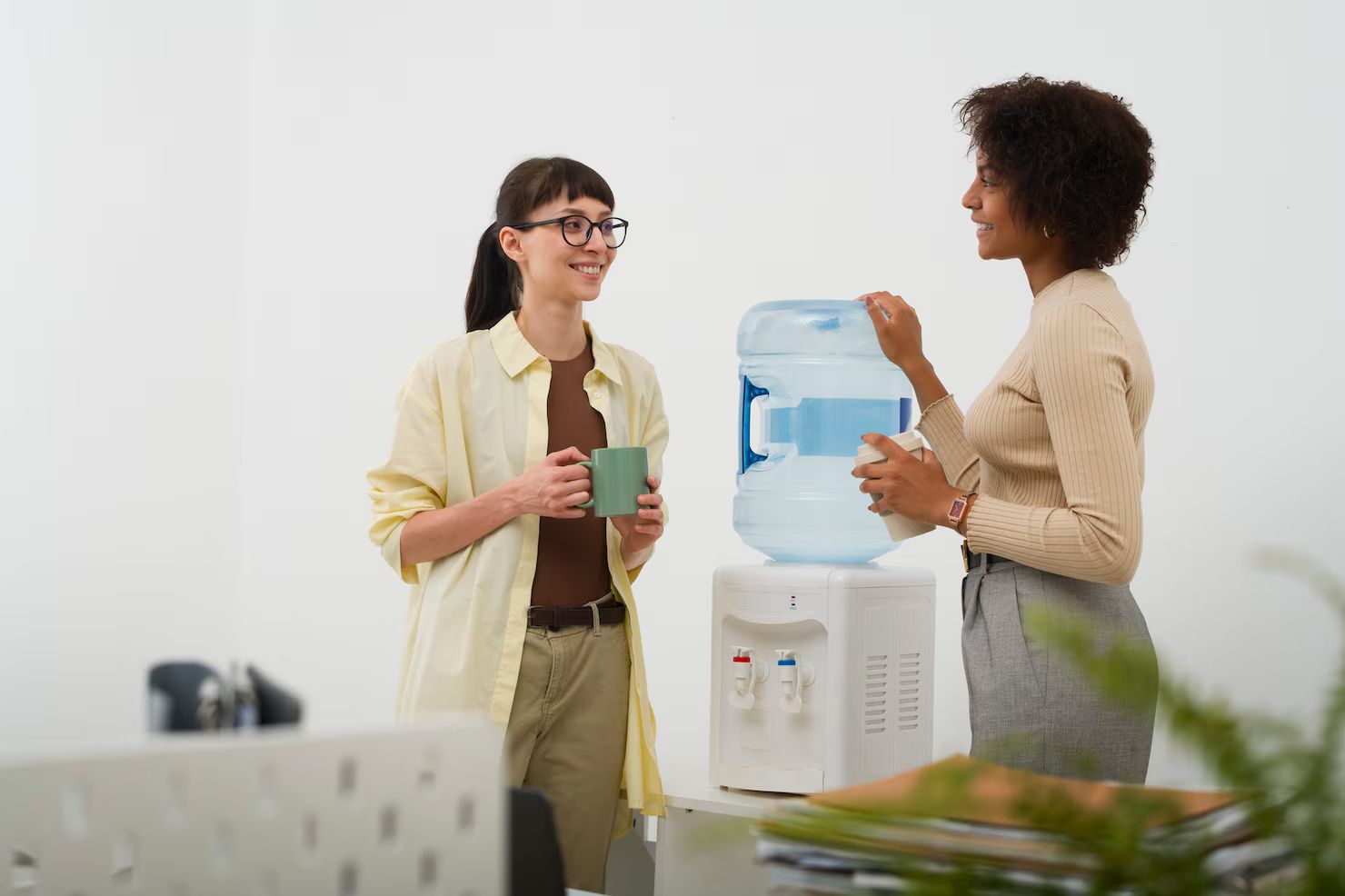
A water purifier is a device or system designed to remove or reduce these contaminants, making water safer for drinking and cooking. Purifiers use various methods, including:
-
Membrane filtration: Reverse osmosis (RO), ultrafiltration (UF), nanofiltration
-
UV sterilization: Eliminates bacteria, viruses, and parasites
-
Activated carbon filters: Removes chlorine, bad taste, odors, and some chemicals
-
Sediment filters: Captures dirt, sand, and other large particles
Water purifiers exist because, despite improvements in municipal or regional water supply, contamination remains a challenge due to industrial, agricultural, or natural sources of pollution.
Importance — Why Water Purifiers Matter Today, Who Is Affected, and What Problems They Solve
Globally, water contamination continues to threaten public health, especially in regions with inadequate treatment systems. Purifiers help address this challenge in several ways:
-
Preventing waterborne diseases: Diseases such as cholera, dysentery, typhoid, hepatitis, and gastrointestinal infections are common where drinking water is unsafe.
-
Protecting vulnerable populations: Children, the elderly, and immunocompromised individuals are more susceptible to contaminated water.
-
Adapting to variable water quality: Seasonal contamination, aging infrastructure, industrial pollution, and high levels of dissolved solids necessitate purification in many areas.
-
Supporting convenience and access: Households without reliable treated water can ensure a consistent supply of safe drinking water.
-
Promoting sustainability: Modern purifiers are designed to reduce water waste, retain essential minerals, and use energy efficiently.
Water purifiers, therefore, are a practical solution for improving health, quality of life, and overall community well-being.
Recent Updates — Trends and Developments Worldwide
Recent trends in water purification technology and usage include:
-
Rapid adoption of multi-stage purification: Systems combining RO, UV, UF, and activated carbon filters are becoming common.
-
Smart and IoT-enabled purifiers: These devices provide filter-life alerts, usage tracking, and diagnostic monitoring for ease of maintenance.
-
Focus on energy and water efficiency: Many newer systems aim to reduce water wastage and energy consumption while retaining essential minerals.
-
Rising awareness of water safety: Public concern about contamination from industrial waste, agricultural runoff, and natural mineral levels has increased demand for home purification systems.
-
Global market growth: Water purifier adoption is expanding across Asia, Africa, Europe, and the Americas, particularly in urban centers and regions with unreliable municipal water supply.
These developments highlight a global shift: purifiers are no longer seen as luxury devices but as necessary solutions for safe water.
Laws or Policies — Global Regulations and Standards
Water purification is influenced by international, regional, and national policies:
-
International standards: Organizations like the World Health Organization (WHO) provide guidelines on safe drinking water and contaminants.
-
National regulations: Countries establish standards for drinking water quality, including limits on microbial and chemical contaminants.
-
Certification of equipment: Water purifiers are often tested and certified by national or international bodies to ensure safety and efficacy.
-
Public initiatives: Many governments run programs to improve access to safe water, especially in rural or underserved areas, complementing household-level purification.
Regulations help ensure that both water supply and purification technologies meet minimum safety standards, reducing risks for populations worldwide.
Tools and Resources — Global Guidance for Safe Water
To manage water safety effectively, individuals and communities can use:
-
Water quality testing kits: Portable kits measure chemical, microbial, and dissolved solids levels in local water.
-
Global guidelines: WHO and UNICEF provide resources and best practices for water safety and hygiene.
-
Educational resources: NGOs and public health organizations offer information on waterborne diseases, safe storage, and filtration methods.
-
Purification technology resources: Market reports and technical guides provide insights on different purification technologies and their effectiveness against specific contaminants.
-
Mobile apps and online calculators: Some apps help monitor water quality, filter usage, and maintenance schedules for smart purifiers.
These tools help users make informed decisions about the type of purification system suitable for their local water conditions.
Frequently Asked Questions
Is a water purifier necessary everywhere?
Not always. If water is reliably treated, tested, and monitored according to national or international standards, a purifier may not be essential. However, in areas with variable water quality, home purification reduces health risks.
Which type of purifier works best for different water sources?
-
Municipal water with low TDS: UV or UF filtration may suffice.
-
Groundwater or industrially contaminated water: Multi-stage RO systems with UV/UF and activated carbon are recommended.
Do purifiers remove essential minerals?
Some methods, like RO, remove many dissolved solids, including beneficial minerals. Certain systems include remineralization stages to restore essential minerals for health and taste.
How often should water be tested or purifiers maintained?
-
Water should be tested at least once or twice a year.
-
Filters and membranes should be replaced or maintained based on usage and water quality, following manufacturer guidance.
Can purifiers handle all contaminants?
Purifiers address most common contaminants, including microbes and chemicals. However, extreme industrial pollutants, radioactive contaminants, or other toxic chemicals may require additional or specialized treatment.
Conclusion
Access to safe drinking water remains a global challenge. Water purifiers offer a practical solution to reduce risks of waterborne diseases, compensate for contamination, and improve daily quality of life. Advances in multi-stage purification, smart monitoring, energy efficiency, and mineral retention have made purifiers more effective than ever.
While regulations and government programs worldwide aim to improve water safety, household-level purification continues to play a vital role in ensuring that safe, healthy water is available to all. Combining regular water testing, proper purifier maintenance, and awareness of local water quality can help communities enjoy cleaner, safer drinking water worldwide.

