Learn How IoT-Enabled Sensors Improve Industrial Automation Systems
IoT-enabled sensors are electronic devices that collect real-time data from machines, equipment, and environments and transmit this information through connected networks. In industrial automation systems, these sensors measure factors such as temperature, pressure, vibration, humidity, motion, and energy usage.
The concept exists because modern industries rely on accurate data to maintain efficiency, safety, and consistency. Traditional monitoring methods often require manual inspections and limited data collection. IoT-enabled sensors allow continuous, automated monitoring of industrial processes.
These sensors are integrated into manufacturing plants, logistics facilities, energy systems, and processing units. They communicate with control systems and data platforms to support real-time decision-making.
IoT-enabled sensors form the foundation of smart industrial automation by connecting physical systems with digital intelligence.
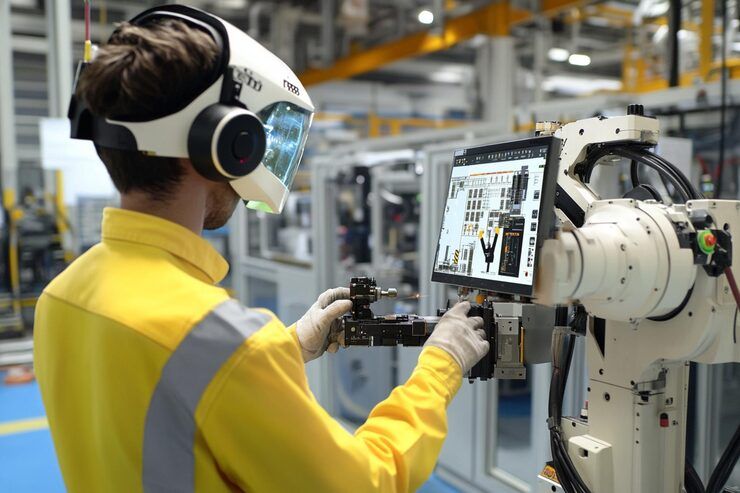
Importance: Why IoT-Enabled Sensors Matter in Industrial Automation
IoT-enabled sensors matter because industries increasingly depend on automation to improve productivity, quality control, and operational reliability. Accurate and timely data is essential for managing complex industrial systems.
Key challenges addressed by IoT-enabled sensors include:
-
Limited visibility into machine performance
-
Delayed fault detection
-
Inefficient resource usage
-
Inconsistent product quality
-
Manual monitoring limitations
For industrial operators, sensors provide real-time insights into equipment status. For engineers, they support predictive maintenance and process optimization. For management teams, sensor data enables informed operational planning.
From a safety perspective, sensors help detect hazardous conditions such as overheating, gas leaks, or abnormal vibrations before they escalate.
IoT-enabled sensors also support sustainability by monitoring energy consumption, reducing waste, and improving resource efficiency.
Recent Updates and Trends in IoT-Enabled Industrial Sensors
Between mid-2025 and early-2026, several global trends influenced the use of IoT-enabled sensors in industrial automation.
In May 2025, wireless industrial sensor networks expanded to improve flexibility in factory layouts.
By August 2025, edge computing became more common, allowing sensor data to be processed closer to machines for faster responses.
In October 2025, AI-based sensor analytics improved fault detection accuracy in manufacturing environments.
In January 2026, cybersecurity features for industrial IoT systems received increased attention due to rising digital risks.
Summary of recent developments
| Update Area | Observed Change | Practical Impact |
|---|---|---|
| Wireless Sensors | Flexible deployment | Easier installation |
| Edge Computing | Local data processing | Faster decisions |
| AI Analytics | Smarter fault detection | Higher accuracy |
| Cybersecurity | Stronger protections | Data safety |
| Energy Monitoring | Advanced tracking | Efficiency gains |
These trends show a global shift toward intelligent, secure, and responsive industrial sensor systems.
Laws, Policies, and Regulatory Influence Worldwide
IoT-enabled sensors in industrial automation are influenced by international safety, data protection, and technology regulations.
Occupational safety regulations require proper monitoring of industrial environments to protect workers.
Data protection laws in many regions regulate how sensor data is collected, stored, and transmitted.
Industrial cybersecurity standards guide the protection of connected systems from digital threats.
Environmental regulations influence how sensors are used to monitor emissions, waste, and energy usage.
Manufacturing compliance frameworks ensure that automated systems meet quality and safety standards.
These policies aim to promote safe, secure, and responsible industrial automation practices.
Tools and Resources for Industrial Sensor Systems
Several tools support the planning, deployment, and management of IoT-enabled sensors.
Helpful categories include:
-
Industrial monitoring dashboards
-
Sensor calibration tools
-
Data visualization platforms
-
Network management systems
-
Equipment diagnostic software
Common resource types
| Resource Type | Purpose |
|---|---|
| Monitoring dashboards | View real-time data |
| Calibration tools | Maintain accuracy |
| Analytics platforms | Interpret sensor data |
| Network tools | Manage connectivity |
| Diagnostic systems | Detect equipment issues |
These resources support structured industrial automation operations.
Common Types of IoT-Enabled Sensors
Industrial automation systems use various sensor types, including:
-
Temperature sensors
-
Pressure sensors
-
Proximity sensors
-
Vibration sensors
-
Gas detection sensors
Each sensor measures specific physical conditions.
Industrial Processes Supported by Sensors
| Process Area | Sensor Role |
|---|---|
| Manufacturing | Monitor machine performance |
| Logistics | Track movement and storage |
| Energy | Measure consumption |
| Safety | Detect hazards |
| Quality Control | Ensure consistency |
Sensors improve process reliability.
IoT Sensors vs Traditional Monitoring
| Feature | IoT Sensors | Traditional Methods |
|---|---|---|
| Data flow | Continuous | Periodic |
| Accuracy | High | Variable |
| Response time | Fast | Slower |
| Automation | Strong | Limited |
| Scalability | High | Restricted |
IoT sensors improve real-time visibility.
Role of Real-Time Data
IoT-enabled sensors provide:
-
Instant condition monitoring
-
Rapid fault detection
-
Continuous performance tracking
-
Immediate alerts
Real-time data supports faster decisions.
Predictive Maintenance Support
Sensors help with:
-
Detecting early equipment wear
-
Monitoring vibration patterns
-
Identifying temperature anomalies
-
Preventing unexpected failures
Maintenance becomes proactive.
Quality Control Improvement
Sensor data supports:
-
Product consistency checks
-
Process stability monitoring
-
Defect detection
-
Performance optimization
Quality improves through automation.
Energy and Resource Efficiency
IoT sensors help:
-
Track power usage
-
Monitor fuel consumption
-
Optimize production cycles
-
Reduce material waste
Efficiency supports sustainability.
Workplace Safety Enhancement
Sensors monitor:
-
Air quality
-
Noise levels
-
Hazardous gases
-
Machine conditions
Safety risks are reduced.
Integration with Automation Systems
IoT sensors connect with:
-
PLC systems
-
Industrial control software
-
Robotics platforms
-
Cloud analytics tools
Integration enables smart automation.
Challenges in Sensor Deployment
Common challenges include:
-
Network reliability
-
Data overload
-
Cybersecurity risks
-
System compatibility
Planning helps address these issues.
Impact on Industrial Productivity
IoT-enabled sensors support:
-
Reduced downtime
-
Faster troubleshooting
-
Optimized workflows
-
Improved output consistency
Productivity increases through data-driven automation.
Technology Behind IoT Sensors
These systems use:
-
Wireless communication
-
Cloud computing
-
Edge processing
-
Machine learning
Technology enables intelligent monitoring.
Educational and Workforce Value
IoT sensor systems support:
-
Technical skill development
-
Data literacy
-
Automation training
-
Engineering education
Knowledge improves system management.
Frequently Asked Questions
What are IoT-enabled sensors?
They are connected devices that collect and transmit industrial data.
Why are they important for automation?
They provide real-time insights for better control.
Are they regulated globally?
Yes, under safety, data, and industrial standards.
What do these sensors measure?
Temperature, pressure, motion, and more.
Do they replace human workers?
They support monitoring, not decision-making.
Future Outlook for IoT Sensors in Industry
Future developments may include:
-
Smarter sensor analytics
-
Improved energy efficiency
-
Stronger cybersecurity features
-
Wider industrial integration
These will strengthen automation systems.
Role in Smart Manufacturing
IoT-enabled sensors support:
-
Digital factories
-
Automated quality control
-
Predictive maintenance
-
Data-driven production
They are key to smart industry models.
Responsible Use of IoT Sensors
Best practices emphasize:
-
Data protection
-
System security
-
Regulatory compliance
-
Ethical technology use
Responsibility builds trust.
Conclusion
IoT-enabled sensors play a central role in improving industrial automation systems by providing real-time data, supporting predictive maintenance, enhancing safety, and optimizing production processes. These sensors connect physical industrial environments with digital intelligence, enabling faster and more accurate decision-making.
Recent global trends highlight the growth of wireless sensor networks, edge computing, AI-driven analytics, and stronger cybersecurity measures. International regulations guide the responsible use of connected industrial systems.
Understanding how IoT-enabled sensors work, the policies that influence them, and the tools that support their use helps industries adopt automation technologies effectively, safely, and sustainably in a rapidly evolving industrial landscape.