Learn How XRF Technology Works: Tips, Facts, and Real-World Benefits
X-ray fluorescence (XRF) technology is a non-destructive analytical method used to determine the elemental composition of materials. It works by directing X-rays at a sample, which then emits secondary (or fluorescent) X-rays unique to the elements within it. These emitted rays are captured and analyzed to identify and quantify the elements present.
This method is widely used in industries such as mining, environmental science, manufacturing, metallurgy, and archaeology due to its accuracy and speed. The non-destructive nature of XRF makes it especially valuable when testing expensive or rare materials that cannot be altered or destroyed during analysis.
Why XRF Technology Matters Today
As material testing becomes more integral to global quality control, safety, and regulatory compliance, XRF has become an essential tool. Here's why:
-
Industry Efficiency: XRF speeds up material analysis in mining, scrap metal sorting, and alloy verification.
-
Environmental Protection: It helps identify contaminants in soil, water, and air.
-
Consumer Safety: It is used in quality control for food packaging, electronics, and toys, ensuring harmful substances like lead are absent.
-
Cultural Preservation: Museums and archaeologists use XRF to analyze artifacts without damaging them.
In sectors like construction, electronics, and renewable energy, XRF plays a vital role in ensuring materials meet required specifications. It affects decision-makers, technicians, researchers, and regulators alike helping them validate products, ensure safety, and comply with legal standards.
Recent Developments and Trends in XRF (2024–2025)
XRF technology has seen notable advancements in recent years, especially in terms of portability and data analysis capabilities:
-
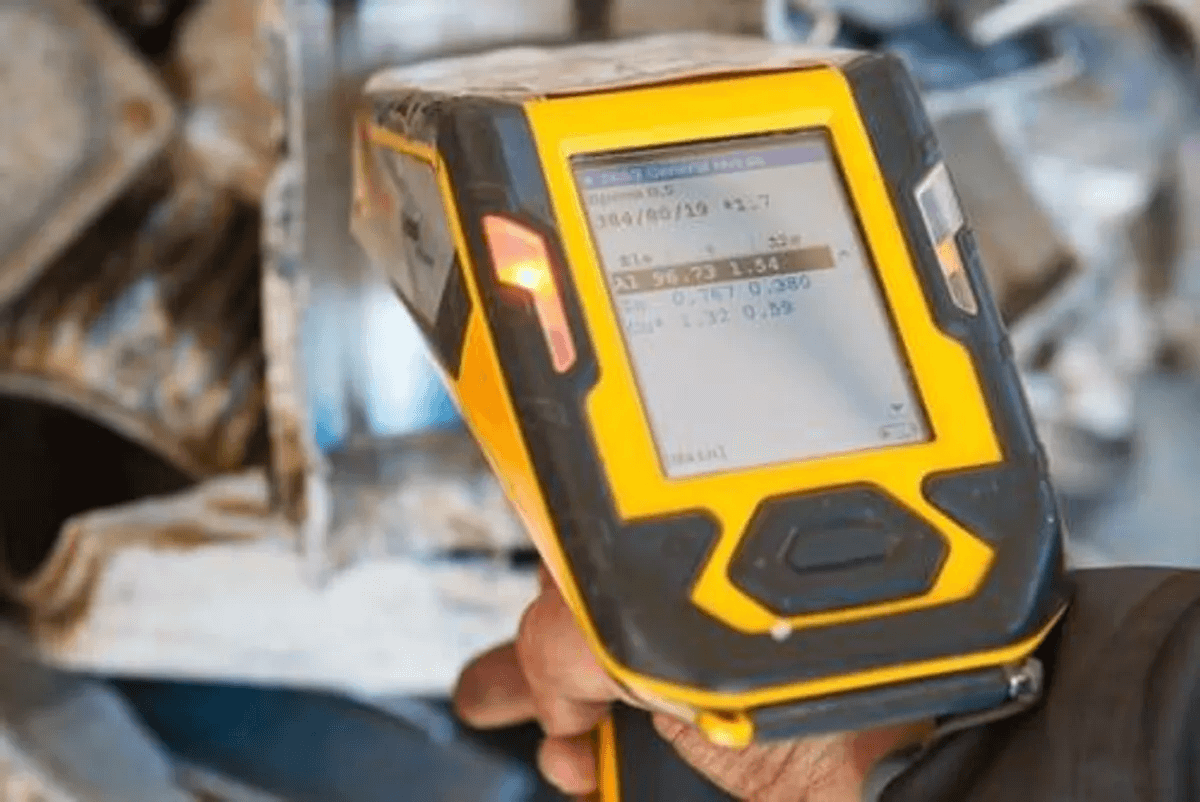
Handheld XRF Devices: In 2024, newer lightweight models with advanced software interfaces were released, improving usability in field inspections and remote locations.
-
AI-Powered Analysis: Integration of AI and machine learning into XRF devices is helping users identify trends in data and detect anomalies faster.
-
Battery Efficiency: Modern devices now offer longer operational times, which is crucial for extended fieldwork.
-
Increased Demand in Recycling: As countries push for more sustainable practices, XRF is being used more in sorting e-waste and scrap metals.
One trend gaining traction in 2025 is the use of XRF in verifying materials for electric vehicle (EV) batteries. With increased EV production worldwide, there’s growing reliance on accurate testing of lithium, cobalt, and nickel.
Legal and Regulatory Considerations
XRF is influenced by both international standards and country-specific regulations. Here's how policy frameworks affect its use:
-
RoHS Compliance (EU & Global): The Restriction of Hazardous Substances Directive restricts the use of specific toxic elements in electronics. XRF is a primary method for testing RoHS compliance.
-
EPA Guidelines (USA): The Environmental Protection Agency endorses XRF use for lead-in-paint inspections and environmental site assessments.
-
BIS Standards (India): The Bureau of Indian Standards mandates the use of precise analytical techniques like XRF for certain quality checks in metals and construction.
-
ISO Certifications: Many industries use XRF analysis to comply with ISO 17025 or ISO 9001 for laboratory and product quality assurance.
Regulators also require that the operators of XRF equipment be trained and certified, especially when using high-powered X-ray sources.
Tools, Software, and Resources for XRF Users
If you're working with XRF technology or considering its application, the following tools and resources can support effective use:
Popular Handheld and Benchtop XRF Analyzers
| Brand | Model Series | Primary Use Area |
|---|---|---|
| Thermo Scientific | Niton XL5 Series | Mining, alloy identification |
| Bruker | S1 TITAN Series | Scrap sorting, environmental |
| Hitachi | X-MET8000 Series | Quality control, coating analysis |
| Olympus | Vanta Series | Soil testing, regulatory checks |
Recommended Software and Apps
-
GeoChem Suite – For analyzing soil and geological data.
-
SpectraSuite (Ocean Insight) – A modular program for spectrum analysis.
-
XRF Analyzer Pro (Android) – A field app to log and sync test results.
Additional Resources
-
EPA Lead Renovation Program (U.S.)
-
RoHS Testing Guidelines (European Union)
-
The XRF Handbook by XOS Technologies
-
Training courses by Niton or Bruker for certified use
These tools not only improve testing accuracy but also ensure you’re aligned with legal requirements.
Frequently Asked Questions About XRF Technology
What materials can be analyzed with XRF?
XRF can be used on solids, powders, liquids, and thin films. It's commonly applied to metals, minerals, plastics, soils, and building materials.
Is XRF testing safe?
Yes. While XRF instruments emit low-level X-rays, they are designed with shielding and safety interlocks. Handheld devices often require proper training and certification due to radiation exposure risks.
Can XRF detect light elements like lithium?
Traditional XRF is less effective at detecting elements with low atomic numbers (like lithium or beryllium). However, newer instruments and specialized techniques (like LIBS or WDXRF) can address this limitation.
How accurate is XRF analysis?
XRF provides results with high accuracy (often within 0.1–1% deviation), especially when properly calibrated and used on homogeneous samples. However, matrix effects can affect accuracy if the sample is not prepared properly.
Is calibration necessary for XRF devices?
Yes. Regular calibration with known standards is essential to maintain accuracy. Some devices come with auto-calibration or software prompts to assist with this.
Conclusion
XRF technology offers a powerful, fast, and non-destructive way to analyze the elemental composition of materials. From improving manufacturing precision to enabling environmental monitoring and historical preservation, its applications are both broad and impactful. With ongoing innovations in handheld devices, AI integration, and global regulatory compliance, the importance of XRF is only set to grow.
Whether you're a researcher, engineer, technician, or policymaker, understanding XRF technology can help you make informed decisions and enhance operational accuracy in your field.