Learn Invisalign Basics: Overview, Advice, Explanation and Resources
Invisalign is a type of orthodontic treatment that uses clear aligners to gradually adjust the position of teeth. It was developed as an alternative to traditional metal braces, aiming to provide a more discreet method for correcting alignment issues such as crowding, spacing, and mild bite irregularities.
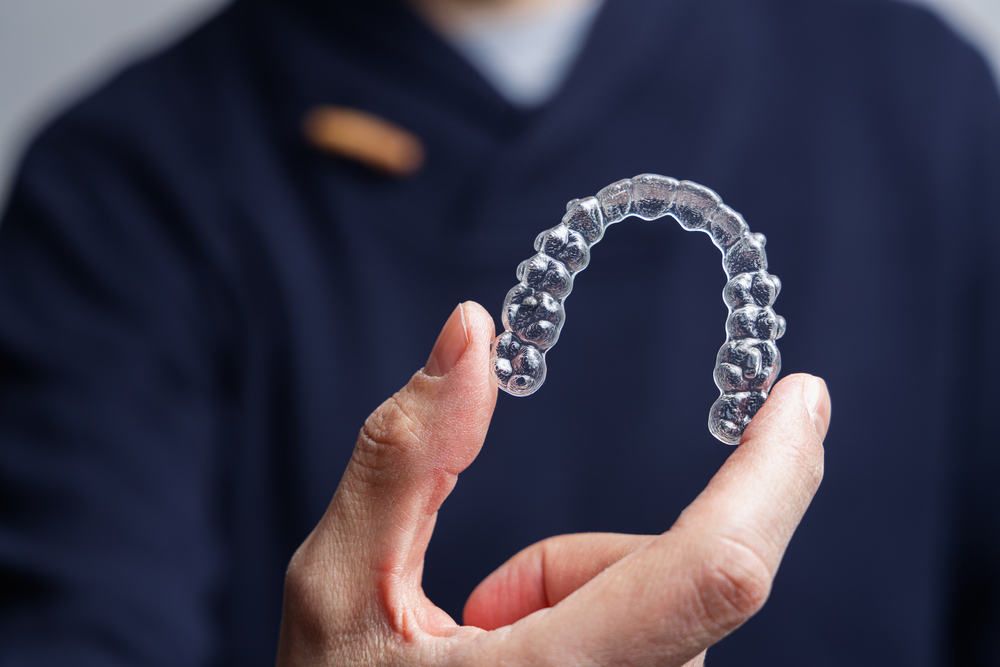 The aligners are made from medical-grade plastic and are custom-designed for each individual. A series of aligners is worn over time, with each set slightly shifting the teeth toward a planned final position. The process is guided by a licensed dental professional, usually an orthodontist or a dentist trained in clear aligner therapy.
The reason Invisalign exists is simple: many people seek teeth alignment solutions that are less visible and more comfortable than conventional braces. Clear aligners address this preference while still following established orthodontic principles.
Context: What Invisalign Is and How It Work
Invisalign treatment begins with an orthodontic consultation. During this visit, digital scans or impressions of the teeth are taken. These images are used to create a 3D model that maps the current position of the teeth and simulates their movement over time.
Each aligner tray is worn for a specific period before being replaced with the next one in the sequence. The aligners apply controlled pressure, guiding teeth into alignment gradually.
Common dental conditions addressed include:
-
Mild to moderate crowding
-
Gaps between teeth
-
Overbite or underbite (in selected cases)
-
Crossbite
-
Relapse after previous orthodontic treatment
Unlike traditional braces, Invisalign aligners can be removed for eating and oral hygiene. However, they must be worn for most of the day to remain effective.
Importance: Why Clear Aligner Orthodontic Treatment Matters
Orthodontic treatment is not only about appearance. Proper teeth alignment supports long-term oral health. Misaligned teeth can contribute to uneven wear, jaw discomfort, and difficulty cleaning between teeth, which may increase the risk of gum problems.
Clear aligner treatment matters today for several reasons:
-
Greater awareness of dental health and preventive care
-
Increased demand for discreet orthodontic options
-
Growth in adult orthodontic treatment
-
Advancements in digital dental technology
Adults who previously avoided braces due to visibility concerns now consider clear aligners as a practical option. Teenagers and young professionals often prefer a treatment that fits their lifestyle and daily routines.
Below is a simplified comparison of traditional braces and clear aligners:
| Feature | Traditional Braces | Clear Aligners (Invisalign) |
|---|---|---|
| Visibility | Highly visible | Nearly transparent |
| Removability | Fixed to teeth | Removable |
| Cleaning | More complex | Easier when removed |
| Dietary Restrictions | Several restrictions | Fewer restrictions |
| Digital Treatment Planning | Limited in older systems | Commonly used |
The rise of digital smile design and computer-assisted orthodontics has also influenced how treatment plans are developed. Digital simulations help patients understand the expected progression of teeth alignment before starting.
Recent Updates: Trends in Clear Aligner Orthodontics
Recent developments in orthodontic technology have improved treatment planning and patient experience.
Digital scanning systems have become more common in dental clinics. Instead of traditional molds, many providers use intraoral scanners that create accurate 3D models of teeth. This improves comfort and reduces errors in aligner fabrication.
There has also been growth in remote monitoring tools. Some orthodontic practices use digital platforms where patients submit periodic photos for review. While in-person appointments remain important, technology has expanded follow-up options.
Material improvements in aligners have been reported, focusing on durability and better force distribution. These enhancements aim to provide more predictable tooth movement.
In addition, public health discussions increasingly highlight the importance of professional supervision for orthodontic treatment. Regulatory bodies emphasize that teeth alignment should be managed by qualified dental professionals to ensure patient safety.
Overall, clear aligner therapy continues to evolve within established orthodontic standards.
Laws or Policies: Regulation and Dental Health Oversight
Invisalign and other clear aligner systems fall under medical and dental regulations in most countries. They are typically classified as medical devices and must meet safety standards set by health authorities.
Key policy areas that affect Invisalign treatment include:
-
Licensing requirements for dental professionals
-
Medical device approval and compliance standards
-
Dental insurance policies and orthodontic coverage guidelines
-
Consumer protection regulations in healthcare
Orthodontic treatment must be prescribed and supervised by licensed practitioners. In many regions, remote or direct-to-consumer orthodontic systems have raised regulatory discussions. Authorities often stress that proper diagnosis, including X-rays and clinical examination, is essential before starting teeth alignment.
Dental insurance coverage varies by plan and country. Some policies include orthodontic treatment under specific conditions, often for minors, while others may provide partial coverage for adults. Government healthcare programs may also outline eligibility criteria for orthodontic procedures.
Patients are encouraged to review their dental insurance policy details and consult licensed professionals before making treatment decisions.
Tools and Resources: Helpful Platforms and Planning Aids
Several tools and resources can support informed decision-making about Invisalign treatment and orthodontic care.
Commonly used resources include:
-
Digital orthodontic consultation tools
-
Dental insurance policy documents
-
Oral health education materials from national dental associations
-
Smile simulation software used in clinics
-
Oral hygiene tracking apps
Below is a simple overview of commonly used tools:
| Tool Type | Purpose |
|---|---|
| Intraoral Scanner | Creates 3D images of teeth |
| Treatment Simulation Software | Shows projected tooth movement |
| Dental Insurance Portal | Explains orthodontic coverage |
| Oral Health App | Tracks brushing and aligner wear time |
| Appointment Reminder System | Supports regular follow-up visits |
When reviewing resources, focus on educational materials provided by recognized dental organizations or regulatory bodies. Clear aligner treatment works best when combined with consistent oral hygiene and professional guidance.
FAQs About Invisalign and Clear Aligners
How long does Invisalign treatment usually take?
Treatment duration varies depending on the complexity of the case. Mild alignment issues may require a shorter period, while moderate corrections may take longer. A dental professional provides an estimate after evaluation.
Is Invisalign suitable for all orthodontic cases?
Clear aligners are effective for many mild to moderate cases. Complex bite corrections may require alternative or combined orthodontic approaches. An orthodontic consultation is necessary to determine suitability.
Does wearing aligners affect speech?
Some individuals notice a temporary adjustment period when first wearing aligners. Speech typically normalizes as the tongue adapts.
How often should aligners be worn?
Aligners are generally worn most of the day and removed only for eating, drinking (except water), and oral hygiene. Consistent wear supports effective teeth alignment.
What happens after treatment is complete?
Retainers are commonly used after treatment to maintain results. Follow-up visits may be recommended to monitor stability.
Practical Advice for Individuals Considering Invisalign
Before beginning clear aligner orthodontic treatment, consider these steps:
-
Schedule a professional dental examination
-
Discuss overall oral health, including gum condition
-
Review dental insurance coverage details
-
Ask about digital treatment planning methods
-
Understand the importance of consistent aligner wear
Maintaining strong oral hygiene habits is essential. Aligners should be cleaned regularly according to professional guidance, and teeth should be brushed after meals before reinserting aligners.
Conclusion
Invisalign represents a modern approach to orthodontic treatment using clear aligners and digital planning technology. It was developed to provide a less visible method of teeth alignment while maintaining established orthodontic principles.
Clear aligner therapy plays a meaningful role in contemporary dental care. It supports oral health, addresses functional alignment concerns, and responds to growing patient interest in discreet treatment options.
Regulatory frameworks, professional supervision, and dental insurance policies all influence how Invisalign treatment is delivered. Technological advancements continue to shape the experience, particularly through digital scans and treatment simulations.
For individuals exploring orthodontic options, informed decision-making is essential. Consultation with licensed dental professionals, careful review of policies, and understanding of treatment expectations contribute to safe and effective teeth alignment.
By focusing on education, transparency, and compliance with healthcare standards, Invisalign treatment can be understood as one of several structured orthodontic approaches within modern dentistry.
Disclaimer: The information provided in this article is for informational purposes only. We do not make any claims or guarantees regarding the accuracy, reliability, or completeness of the information presented. The content is not intended as professional advice and should not be relied upon as such. Readers are encouraged to conduct their own research and consult with appropriate professionals before making any decisions based on the information provided in this article.

