Learn Smart Waste Collection: Explanation, Details, Advice & Suggestions
Smart waste collection is a modern waste management system that uses digital technologies such as Internet of Things (IoT) sensors, data analytics, GPS tracking, and route optimization software to improve how waste is collected, monitored, and processed.
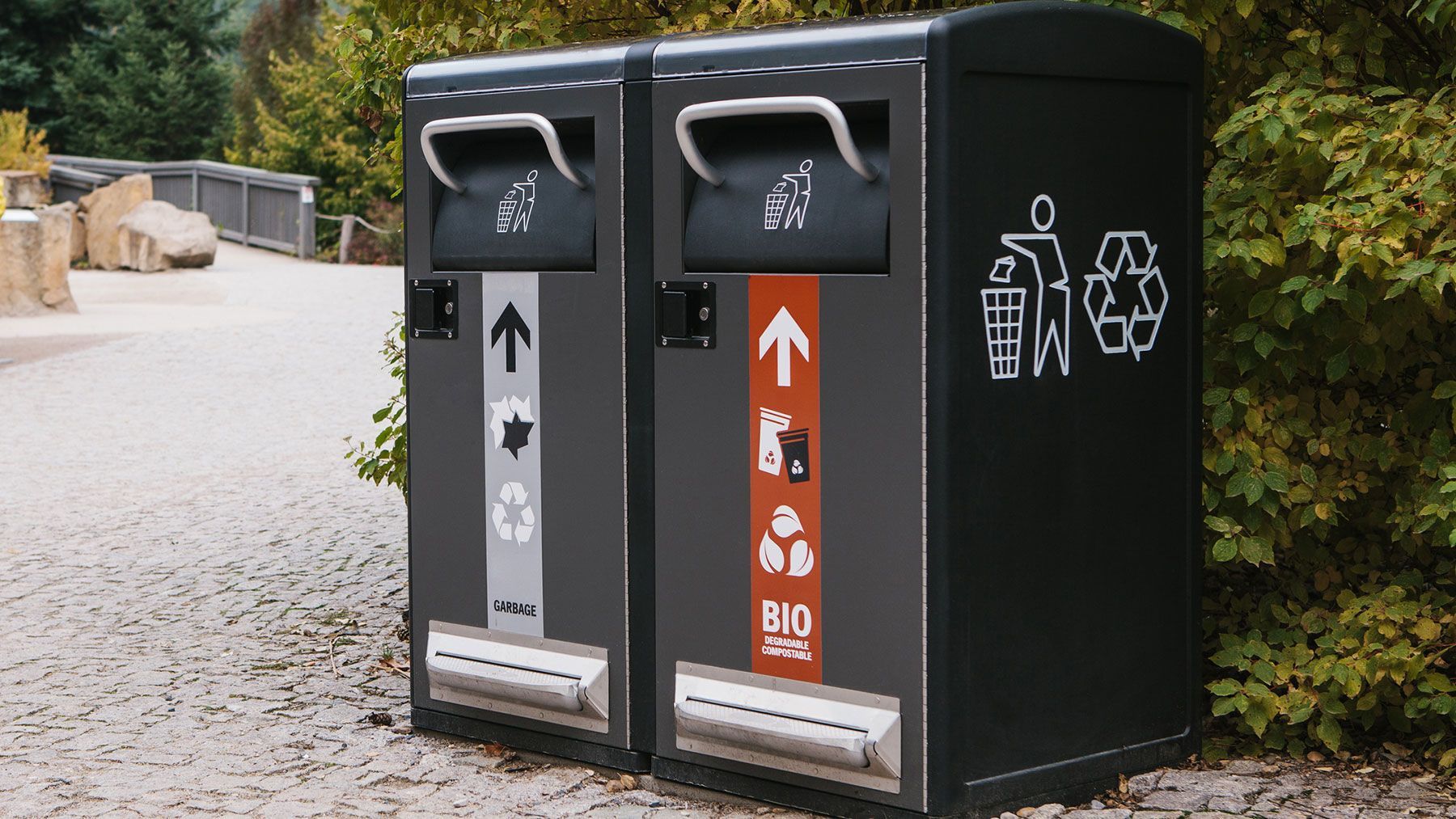 Traditional waste collection relies on fixed schedules and manual monitoring. Trucks visit bins on predetermined routes whether they are full or not. This often leads to unnecessary fuel usage, traffic congestion, overflowing bins, and higher operational expenses.
Smart waste collection exists to solve these inefficiencies. By placing fill-level sensors inside waste bins, municipalities and facility managers can monitor bin capacity in real time. Data is transmitted to centralized waste management software, which analyzes collection needs and generates optimized routes for trucks.
This approach supports digital transformation in municipal infrastructure and aligns with broader smart city initiatives. It is part of a larger movement toward sustainable urban development, environmental compliance, and operational efficiency.
Key components typically include:
-
IoT-enabled smart bins
-
Wireless sensor networks
-
Cloud-based waste management software
-
Fleet management systems
-
Data analytics dashboards
Together, these technologies form an integrated system that helps cities make informed decisions based on real-time waste data.
Why Smart Waste Collection Matters Today
Rapid urbanization and population growth are increasing municipal solid waste generation worldwide. Cities face pressure to manage waste more efficiently while reducing environmental impact and carbon emissions.
Smart waste collection matters because it directly addresses several modern challenges:
Environmental Sustainability
Optimized collection routes reduce fuel consumption and greenhouse gas emissions. Preventing bin overflow decreases litter and contamination of recyclable materials.
Operational Efficiency
Waste management companies and municipalities can reduce unnecessary trips, lower maintenance requirements, and improve asset utilization.
Public Health and Hygiene
Overflowing waste bins can attract pests and spread disease. Real-time monitoring supports timely collection and cleaner public spaces.
Data-Driven Decision Making
Smart waste analytics provide insights into waste generation patterns. Authorities can use this data to plan recycling programs, adjust bin placement, and design long-term waste reduction strategies.
Below is a comparison between traditional and smart waste collection systems:
| Feature | Traditional Collection | Smart Waste Collection |
|---|---|---|
| Monitoring | Manual inspection | Real-time IoT sensors |
| Route Planning | Fixed schedule | Dynamic route optimization |
| Fuel Usage | Higher | Reduced through efficiency |
| Overflow Risk | Common | Significantly reduced |
| Data Availability | Limited | Advanced waste analytics |
Stakeholders affected include:
-
Municipal governments
-
Environmental agencies
-
Waste management operators
-
Commercial property managers
-
Residents in urban communities
As sustainability standards and ESG reporting become more important, smart waste management solutions are increasingly seen as part of essential environmental infrastructure.
Recent Developments and Emerging Trends
In the past year, several developments have shaped the smart waste management industry.
AI-Powered Waste Analytics
Artificial intelligence is being integrated into waste management software to improve predictive analysis. Systems can now forecast when bins will reach capacity based on historical data, weather patterns, and local events.
Solar-Powered Smart Bins
Many cities are deploying solar-compacting bins that reduce collection frequency by compressing waste. These bins combine renewable energy with IoT monitoring.
Integration with Smart City Platforms
Smart waste systems are being connected to broader urban data platforms that include traffic management, energy monitoring, and water systems. This integration improves coordination across departments.
Expansion in Developing Regions
Urban areas in Asia and Africa are adopting smart waste collection technology to address rapid urban expansion and infrastructure strain.
Recycling and Waste Segregation Innovations
Sensor-based waste sorting and RFID-enabled recycling programs are helping improve recycling rates and reduce contamination in recyclable streams.
The following simplified data example shows potential efficiency gains:
| Metric | Before Smart System | After Smart System |
|---|---|---|
| Average Trips per Week | 100 | 65 |
| Fuel Consumption (Liters) | 1,200 | 780 |
| Overflow Incidents | 40 | 5 |
While results vary by location, these trends indicate measurable improvements in operational performance and environmental impact.
Laws and Policies Influencing Smart Waste Collection
Waste management is heavily influenced by environmental regulations and municipal policies. Smart waste collection systems are often implemented to comply with national and regional sustainability targets.
Environmental Protection Regulations
Many countries enforce strict guidelines for waste disposal, landfill reduction, and emissions control. Smart systems help ensure regulatory compliance by improving tracking and reporting.
Extended Producer Responsibility Programs
EPR policies require producers to take responsibility for the lifecycle of their products, including disposal. Digital waste tracking systems support compliance with such frameworks.
Municipal Solid Waste Management Rules
Local governments often establish standards for waste segregation, collection frequency, and recycling targets. Smart waste infrastructure enables better monitoring of these requirements.
Climate Action and Carbon Reduction Plans
Governments implementing climate strategies encourage the adoption of energy-efficient waste collection practices. Route optimization and fuel monitoring support emissions reduction goals.
Public Procurement Standards
Sustainability-focused procurement guidelines often prioritize technology-driven environmental solutions, including IoT waste monitoring systems.
Compliance reporting has become more data-intensive. Smart waste collection provides verifiable metrics, which are useful for audits, ESG disclosures, and environmental performance assessments.
Tools and Resources for Smart Waste Collection
Several digital tools and platforms support the implementation and management of smart waste systems.
IoT Waste Sensors
-
Ultrasonic fill-level sensors
-
Temperature and fire detection sensors
-
RFID-enabled bin identification
Waste Management Software
-
Cloud-based dashboards
-
Route optimization algorithms
-
Fleet tracking systems
-
Predictive maintenance modules
Data Analytics Platforms
-
Waste generation forecasting
-
Carbon emission tracking
-
Performance benchmarking tools
Mobile Applications
-
Driver route guidance apps
-
Incident reporting tools
-
Citizen waste reporting platforms
Smart City Integration Tools
-
Urban data management systems
-
Environmental monitoring dashboards
-
Geographic Information Systems (GIS)
Organizations considering smart waste solutions often begin with pilot projects to evaluate data accuracy, connectivity reliability, and operational impact before scaling citywide.
Frequently Asked Questions
What is the main goal of smart waste collection?
The main goal is to improve efficiency, reduce environmental impact, and enhance waste monitoring using digital technology such as IoT sensors and data analytics.
How do smart bins know when they are full?
Smart bins use ultrasonic or infrared sensors to measure the distance between the waste surface and the bin lid. This data is transmitted wirelessly to a central system for analysis.
Does smart waste collection reduce carbon emissions?
Yes. By optimizing routes and minimizing unnecessary trips, fuel consumption decreases, which lowers greenhouse gas emissions from waste collection vehicles.
Is smart waste collection only for large cities?
While large cities benefit significantly, smaller municipalities and private facilities such as campuses, hospitals, and industrial parks can also implement scaled-down versions of smart waste systems.
How secure is the data collected from smart bins?
Modern systems use encrypted data transmission and secure cloud platforms. However, cybersecurity practices must be maintained to protect infrastructure from unauthorized access.
Conclusion
Smart waste collection represents a shift from reactive waste management to proactive, data-driven environmental stewardship. By combining IoT technology, route optimization, and waste analytics, cities and organizations can improve efficiency, reduce operational strain, and support sustainability goals.
As environmental regulations tighten and urban populations grow, digital waste management systems are becoming a practical tool for maintaining cleaner communities. While implementation requires planning and infrastructure investment, the long-term benefits include improved transparency, reduced emissions, and enhanced public health outcomes.
Smart waste collection is not simply about technology. It reflects a broader commitment to sustainable development, environmental compliance, and responsible resource management in modern society.