Learn the Truth About Organic Skincare: Overview, Details, and Expert Suggestions
Organic skincare refers to the use of products made from naturally sourced ingredients grown without synthetic pesticides, fertilizers, or genetically modified organisms (GMOs). The term has become popular as consumers seek healthier, environmentally friendly alternatives to conventional skincare products.
This movement started in response to growing awareness of the potential harms of harsh chemicals in cosmetics. Many conventional products contain synthetic fragrances, parabens, sulfates, and petroleum-based ingredients. Organic skincare arose as an alternative to minimize chemical exposure and promote sustainability.
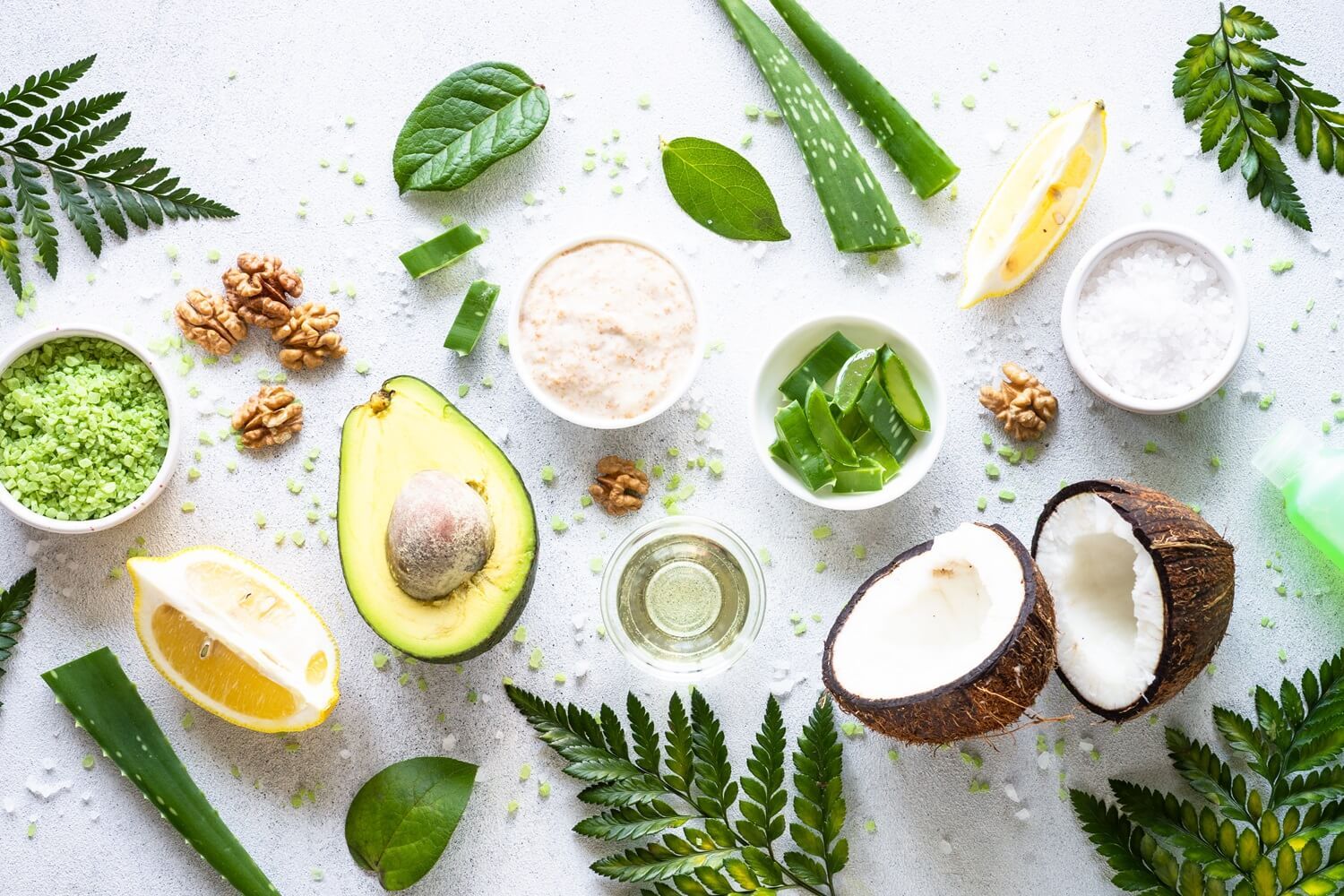
Organic skincare products typically emphasize plant-based ingredients like aloe vera, jojoba oil, shea butter, green tea extract, and essential oils grown and processed with minimal environmental impact. These products often appeal to those with sensitive skin, allergies, or ethical concerns about animal testing and ecological damage.
Why Organic Skincare Matters Today
Organic skincare is more than a passing trend it's a reflection of a global shift toward healthier lifestyles and environmental responsibility.
Who it affects:
-
Consumers with sensitive skin or allergies
-
Eco-conscious individuals seeking sustainable personal care
-
Health-focused consumers avoiding synthetic ingredients
-
Beauty enthusiasts looking for gentle and natural options
Problems it addresses:
-
Exposure to synthetic chemicals linked to irritation or long-term health concerns
-
Environmental harm caused by non-biodegradable ingredients and packaging
-
Lack of transparency in labeling and ingredient sourcing in the skincare industry
People are now more informed and cautious about what they put on their skin, and this has led to a rising demand for transparent, trustworthy organic formulations. Skincare is no longer just about beauty; it's about safety, ethics, and environmental responsibility.
Recent Developments and Trends in Organic Skincare
The organic skincare industry has evolved significantly over the past year. Below are some major trends and updates
| Trend | Description |
|---|---|
| Minimalist Skincare | Fewer products with multipurpose use—cleansers that double as moisturizers, for example—are gaining popularity. |
| Transparency in labeling | Brands are under increased pressure to disclose ingredient sourcing and formulation processes. |
| Regenerative farming practices | Ingredients grown using methods that restore soil health and biodiversity are becoming more common. |
| Biodegradable packaging | A shift from plastic to compostable or refillable packaging options. |
| Growth in men’s organic skincare | An expanding market, with products tailored to male skin types and routines. |
Regulations and Labeling Laws for Organic Skincare
There is no single global definition of “organic skincare,” and this has led to confusion among consumers. However, many countries have regulatory frameworks to protect buyers from misleading claims.
United States
-
The USDA Organic certification is the most recognized. To bear this label, skincare products must contain at least 95% certified organic ingredients.
-
“Made with organic ingredients” requires at least 70% organic content.
European Union
-
The COSMOS-standard is widely used (by organizations like Ecocert and Soil Association). It includes criteria for ingredient origin, processing methods, and packaging.
India
-
The AYUSH Ministry regulates traditional herbal and Ayurvedic products.
-
The India Organic and Jaivik Bharat logos are used for certified organic agricultural ingredients.
Australia
-
The ACO (Australian Certified Organic) label is recognized nationwide and internationally.
Key takeaway: Always check for verified third-party certification logos to ensure a product truly meets organic standards. Just because a product is labeled “natural” does not mean it is organic or chemical-free.
Tools and Resources for Safer Skincare Choices
Navigating organic skincare labels and ingredients can be confusing. Fortunately, several trusted resources can help:
-
EWG Skin Deep Database (ewg.org/skindeep)
Allows users to search products and view their safety ratings based on scientific studies. -
Think Dirty App
A mobile app that scans product barcodes and provides toxicity ratings. -
COSMOS Certified Products Directory (cosmos-standard.org)
A searchable list of certified organic and natural beauty products. -
USDA Organic Integrity Database
Search businesses and products certified under the USDA Organic program. -
Ingredient Glossaries from Brands
Many responsible brands provide clear explanations of their ingredients and sourcing an excellent tool to build trust and knowledge.
Frequently Asked Questions (FAQs)
1. Is organic skincare better for sensitive skin?
Yes, many organic products are gentler and free from synthetic fragrances or harsh preservatives that often irritate sensitive skin. However, natural ingredients can also cause reactions, so patch testing is always recommended.
2. Are all natural skincare products organic?
No. "Natural" means the ingredient comes from a natural source, but it may not be grown organically. Organic products must meet specific farming and processing standards and often carry certification.
3. Can organic skincare treat conditions like acne or eczema?
Some organic products contain anti-inflammatory or soothing ingredients like tea tree oil or calendula, which may help with mild skin issues. However, chronic skin conditions should be diagnosed and treated by a dermatologist.
4. Why are organic skincare products more expensive?
The cost of organic certification, sustainable farming, and high-quality natural ingredients often make these products more expensive. However, many users consider the benefits to skin and environment worth the investment.
5. Do organic skincare products have a shorter shelf life?
Often yes. Because they may lack synthetic preservatives, many organic products should be used within 6–12 months and stored in cool, dry conditions.
Final Thoughts
Organic skincare is more than a beauty trend it's a lifestyle choice that aligns personal care with sustainability, health, and ethical responsibility. As awareness grows and regulations tighten, consumers are gaining better tools and clearer labels to make informed decisions.
If you're considering switching to organic skincare, start by reading ingredient lists, looking for trusted certifications, and using online tools to understand what's in your products. Whether you're looking for a gentler routine, supporting eco-conscious brands, or just curious, understanding the truth behind organic skincare will help you take care of both your skin and the planet.