Mastering Extrusion: A Comprehensive Guide to Machinery and Applications
Extrusion is a widely used manufacturing process that shapes materials by forcing them through a specially designed opening called a die. The result is a continuous product with a fixed cross-section, such as pipes, sheets, or profiles. The concept has roots in early metalworking techniques, but modern extrusion has expanded into plastics, food processing, and advanced materials.
Extrusion machinery plays a central role in this process. It typically consists of a hopper, a heated barrel, a rotating screw, and a die. Raw material, often in pellet or powder form, is fed into the machine, heated, and pushed forward by the screw until it exits the die in a desired shape.
This method exists because it provides a consistent way to produce long, uniform products efficiently. Over time, it has become essential in industries ranging from construction and packaging to healthcare and automotive manufacturing. Understanding extrusion and its applications helps explain how many everyday items are produced.
Importance
Extrusion matters because it supports the production of essential materials used in daily life. Items such as plastic pipes for water systems, window frames, packaging films, and even certain food products rely on extrusion techniques. Without this process, manufacturing many standardized products would be more complex and less consistent.
The process addresses several practical challenges. It allows for continuous production, which reduces interruptions and improves efficiency. It also ensures uniformity, meaning each product maintains the same shape and dimensions. This consistency is important in applications like plumbing or electrical systems, where precise measurements are necessary.
Extrusion machinery also contributes to material efficiency. By shaping materials directly into their final form, it reduces waste compared to processes that require cutting or reshaping. This is particularly relevant in industries that aim to manage raw material usage carefully.
In addition, extrusion supports innovation. New materials, including biodegradable plastics and composite materials, are often developed with extrusion in mind. This allows industries to adapt to changing environmental and technical requirements.
Recent Updates
In recent years, extrusion technology has evolved to meet modern manufacturing demands. One noticeable trend is the integration of automation and digital monitoring systems. Many extrusion machines now include sensors and software that track temperature, pressure, and output quality in real time. This helps maintain consistency and reduces the likelihood of defects.
Another development is the focus on sustainable materials. Manufacturers are increasingly using recycled plastics and bio-based materials in extrusion processes. Machinery has been adapted to handle these materials, which may behave differently during heating and shaping.
Energy efficiency has also gained attention. Newer extrusion systems are designed to consume less energy by improving heat control and screw design. This aligns with broader efforts to reduce environmental impact in manufacturing.
Additive manufacturing and extrusion are also intersecting in some areas. For example, certain types of 3D printing use extrusion-based methods to build objects layer by layer. While different from traditional extrusion, this shows how the core principle continues to evolve.
Laws or Policies
Extrusion machinery and its applications are influenced by various regulations, particularly those related to safety, environmental protection, and product standards. In India and many other countries, industrial equipment must comply with safety guidelines that ensure proper operation and worker protection.
Environmental regulations play a significant role, especially in plastic extrusion. Policies may address waste management, recycling requirements, and emissions from manufacturing processes. These rules encourage the use of recyclable materials and responsible disposal practices.
Product standards are also important. For example, pipes used in water systems must meet specific quality and durability requirements. These standards ensure that extruded products perform reliably in their intended applications.
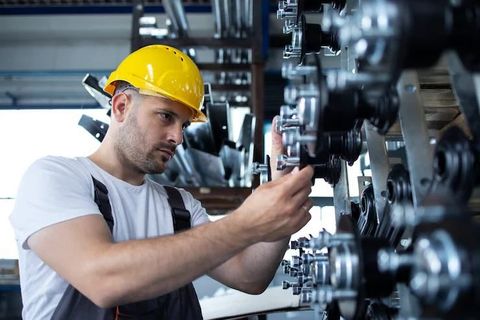
Workplace safety regulations require proper training for operators and the use of protective equipment. Extrusion machinery involves high temperatures and moving parts, so adherence to safety practices is essential to reduce risks.
Tools and Resources
Several tools and resources help individuals and organizations understand and work with extrusion processes. These include technical guides, simulation software, and measurement tools.
Commonly used resources include:
- Simulation software, which models how materials flow through extrusion machinery and helps predict outcomes
- Material data sheets, providing information on melting points, viscosity, and compatibility with extrusion processes
- Quality control instruments, such as calipers and thickness gauges, used to measure finished products
- Industry standards documentation, outlining requirements for specific products like pipes or films
- Training manuals and educational platforms, offering guidance on machine operation and maintenance
The following table provides a simple overview of common extrusion types and their typical applications:
| Extrusion Type | Material Used | Common Applications |
|---|---|---|
| Plastic extrusion | Thermoplastics | Pipes, films, packaging materials |
| Metal extrusion | Aluminum, steel | Structural components, frames |
| Food extrusion | Dough, cereals | Snacks, pasta, pet food |
| Rubber extrusion | Synthetic rubber | Seals, hoses, gaskets |
These tools and resources support consistent production and help maintain product quality across different industries.
FAQs
What is extrusion in manufacturing?
Extrusion is a process where material is pushed through a shaped opening to create a continuous product with a fixed cross-section. It is commonly used in plastic, metal, and food production.
How does extrusion machinery work?
Extrusion machinery works by feeding raw material into a heated barrel, where a rotating screw moves it forward. The material melts and is forced through a die, forming a specific shape as it exits.
What are common extrusion applications?
Extrusion applications include the production of plastic pipes, packaging films, window frames, metal profiles, and certain food items like pasta and snacks.
What materials can be used in extrusion processes?
Materials used in extrusion processes include thermoplastics, metals, rubber, and food mixtures. The choice of material depends on the intended application and required properties.
Why is extrusion important in modern manufacturing?
Extrusion is important because it allows continuous production of uniform products, reduces material waste, and supports a wide range of applications across different industries.
Conclusion
Extrusion is a fundamental manufacturing process that shapes materials into consistent and useful forms. With the help of extrusion machinery, industries can produce a wide variety of products efficiently and with uniform quality. Ongoing developments in automation, sustainability, and material science continue to influence how extrusion is used. Regulations and standards ensure that the process remains safe and reliable. Overall, extrusion remains an essential part of modern manufacturing systems.