Matching Couples Bands Overview: Guide to Styles, Facts, Tips, and Meaning
Matching couples bands are coordinated rings designed to symbolize commitment between two people. Unlike traditional single engagement rings, these bands are intentionally styled to complement each other. They may share the same metal, engraving, design motif, or gemstone detail, representing unity and shared identity.
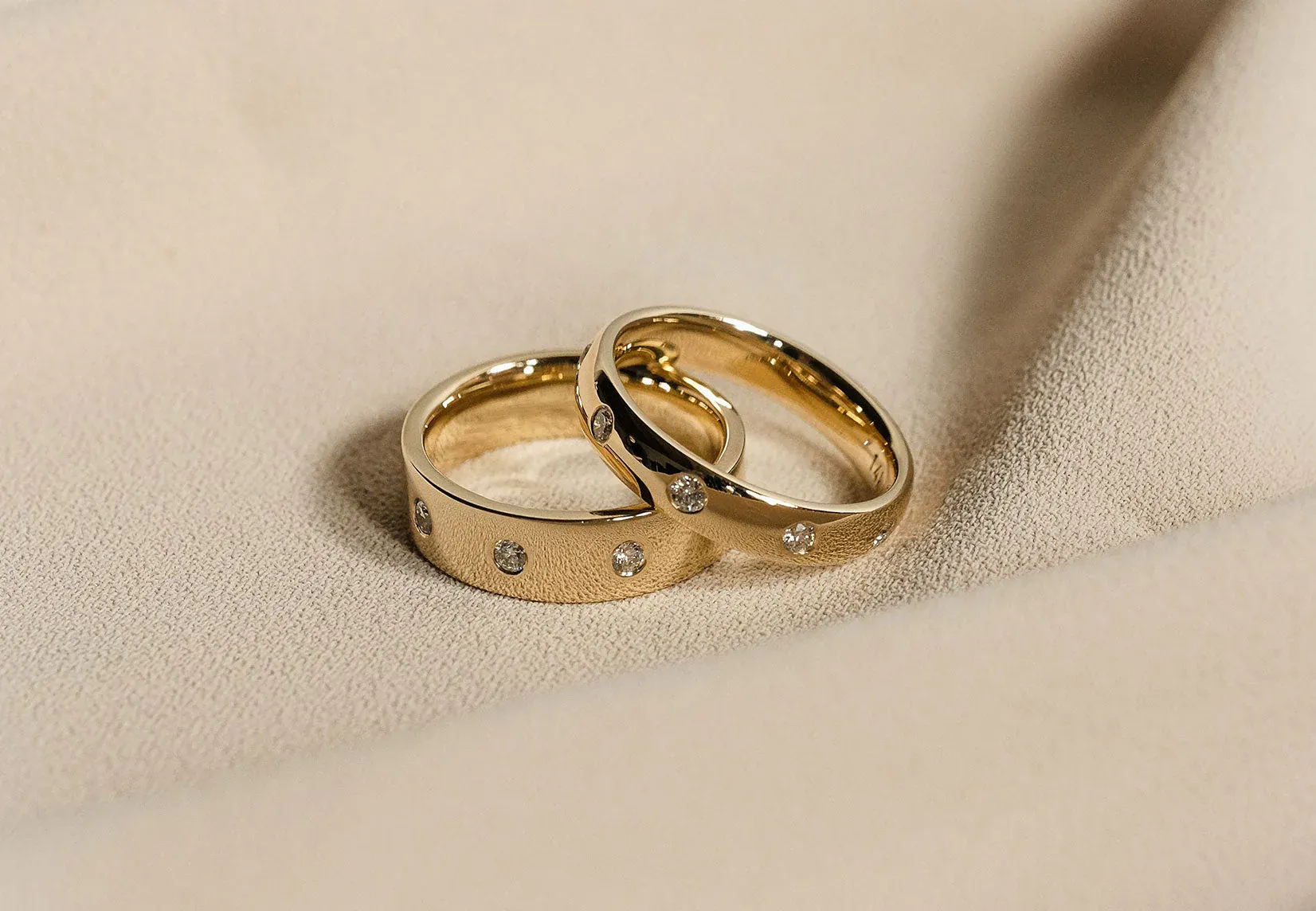
The concept exists because couples often look for visible symbols of partnership that reflect equality. Historically, wedding rings symbolized eternity due to their circular shape. Over time, this idea evolved into matching or coordinated sets, where both partners wear rings designed as a pair. Today, matching couples bands are common not only for marriage but also for anniversaries and long-term partnerships.
Common materials include:
-
Gold (yellow, white, rose)
-
Platinum
-
Palladium
-
Titanium
-
Tungsten carbide
-
Sterling silver
Some designs feature diamonds or gemstones, while others focus on minimalist metal finishes. Popular diamond shapes such as round, princess, oval, or emerald cut are sometimes incorporated into coordinated bands.
To understand stylistic differences, the table below outlines key categories:
| Style Type | Key Features | Popular With |
|---|---|---|
| Classic Plain Bands | Smooth metal, polished or matte | Traditional couples |
| Diamond Accent Bands | Small inset stones | Modern minimalists |
| Vintage-Inspired | Milgrain, engraving, antique details | Heritage-focused couples |
| Two-Tone Bands | Mixed metals in one design | Contemporary aesthetics |
| Custom Engraved | Personalized messages inside band | Sentimental preferences |
Matching bands exist because couples increasingly value shared symbolism and coordinated design. They provide a balanced representation of commitment, reflecting both individuality and partnership.
Why Matching Couples Bands Matter Today
Matching couples bands matter because they represent emotional commitment in a visible, everyday form. In a time when personalization and shared identity are highly valued, coordinated rings provide a meaningful expression of equality.
They affect:
-
Engaged and married couples
-
Long-term partners
-
Individuals celebrating milestone anniversaries
-
Couples blending cultural traditions
These bands solve several practical and symbolic challenges:
-
Ensuring both partners have complementary designs
-
Balancing style preferences between individuals
-
Representing equality rather than a single statement piece
-
Simplifying decision-making through coordinated sets
In modern jewelry markets, high CPC keywords such as “custom diamond wedding bands,” “platinum wedding rings,” “engraved couples rings,” and “conflict free diamonds” often reflect search interest in quality and design transparency. These search patterns indicate that consumers prioritize durability, certification, and ethical sourcing.
Durability is especially important because wedding bands are worn daily. Materials like platinum and tungsten are chosen for scratch resistance and longevity, while gold alloys are selected based on karat purity and color preference.
Below is a simplified durability comparison:
| Metal Type | Durability Level | Maintenance Level | Weight Feel |
|---|---|---|---|
| Platinum | High | Moderate | Heavy |
| 14K Gold | Moderate | Moderate | Medium |
| Titanium | High | Low | Light |
| Tungsten Carbide | Very High | Low | Heavy |
| Sterling Silver | Lower | Higher | Light |
These comparisons help couples align expectations with lifestyle needs.
Recent Trends and Developments
In the past year, several design and material trends have shaped matching couples bands.
One major shift is toward sustainable and ethically sourced materials. Lab-grown diamonds have gained attention as an alternative to mined stones. They share the same physical and chemical properties as natural diamonds but are produced in controlled environments. Certification standards from organizations such as Gemological Institute of America continue to guide grading clarity, cut, and color evaluation.
Minimalist styles have also increased in popularity. Slim bands with brushed finishes or subtle engraving are frequently chosen over heavily ornamented designs. Two-tone bands combining white and yellow gold remain widely selected for balanced aesthetics.
Another development is the integration of technology in customization. Digital ring design previews allow couples to visualize engravings or gemstone placement before final production. Advanced manufacturing techniques like precision casting and laser engraving have improved detailing accuracy.
Cultural diversity has also influenced design preferences. Some couples incorporate traditional patterns, religious symbols, or heritage motifs into modern band styles.
Trend highlights include:
-
Matte and satin finishes replacing high polish
-
Hidden gemstones inside the band
-
Mixed-metal layering
-
Fingerprint engraving
-
Carbon fiber inlays for contemporary appeal
These shifts reflect broader jewelry industry patterns emphasizing personalization and responsible sourcing.
Laws, Regulations, and Consumer Protections
Matching couples bands are influenced by jewelry regulations and consumer protection standards, especially regarding precious metals and gemstones.
In many countries, hallmarking laws require metal purity stamps. For example, gold may be marked as 14K, 18K, or 22K depending on alloy composition. Platinum bands are typically stamped with purity indicators such as 950.
Diamond grading and gemstone disclosure rules are governed by national consumer protection authorities. In India, hallmarking standards are regulated by the Bureau of Indian Standards (BIS), which ensures gold purity certification. In the United States, the Federal Trade Commission (FTC) provides guidelines on jewelry marketing transparency and gemstone disclosure.
Ethical sourcing regulations have also gained prominence. Policies addressing conflict-free diamonds are linked to international frameworks like the Kimberley Process Certification Scheme. This initiative aims to prevent the trade of conflict diamonds.
Environmental regulations affect mining and material sourcing practices, while consumer protection laws require accurate disclosure of lab-grown versus natural diamonds.
These regulations protect buyers by:
-
Ensuring metal purity authenticity
-
Requiring gemstone origin disclosure
-
Preventing misleading advertising claims
-
Supporting ethical sourcing transparency
Understanding these policies helps consumers make informed, compliant decisions.
Tools and Resources for Research and Planning
Several tools assist couples in selecting matching bands thoughtfully.
Ring Size Measurement Tools
Printable size guides and digital measurement apps help determine accurate sizing before final selection.
Metal Comparison Charts
Educational charts compare density, scratch resistance, and hypoallergenic properties.
Diamond Grading Reports
Organizations like the Gemological Institute of America provide grading documentation outlining cut, clarity, color, and carat weight.
Budget Planning Calculators
Personal finance apps allow couples to allocate funds responsibly without exceeding long-term savings goals.
Design Visualization Software
Online ring design preview systems allow engraving customization and finish selection.
Lifestyle Assessment Checklists
Simple worksheets help evaluate:
-
Daily activity levels
-
Exposure to chemicals
-
Preference for low-maintenance materials
-
Occupational safety considerations
These resources support informed decisions grounded in research rather than impulse.
Frequently Asked Questions
What is the difference between matching and identical couples bands?
Matching bands are coordinated but not necessarily identical. They may share design elements such as metal type or engraving style. Identical bands are exact replicas of one another.
Are lab-grown diamonds real diamonds?
Yes. Lab-grown diamonds have the same chemical and physical properties as mined diamonds. They are evaluated using the same grading standards as natural diamonds.
How long do wedding bands typically last?
With proper care, high-quality bands made from platinum, gold, or tungsten can last decades. Durability depends on material choice and daily wear conditions.
Can matching bands include different metals for each partner?
Yes. Many couples select complementary metals, such as white gold for one partner and yellow gold for the other, while maintaining a shared design theme.
Do all countries require gold hallmarking?
Regulations vary by country. Some nations require mandatory hallmarking for precious metals, while others rely on voluntary certification systems.
Conclusion
Matching couples bands symbolize unity, equality, and shared commitment. They have evolved from simple gold circles into diverse expressions of personal identity and partnership. Modern trends emphasize ethical sourcing, minimalist design, and customization technology.
Understanding materials, certification standards, and regulations helps couples make informed decisions. Comparing durability, maintenance, and lifestyle compatibility ensures long-term satisfaction.
By using trusted grading documentation, reviewing hallmarking standards, and considering current trends, couples can approach the selection process thoughtfully and responsibly.
Matching couples bands remain a meaningful tradition adapted to contemporary values, balancing symbolism with practicality in everyday life.

