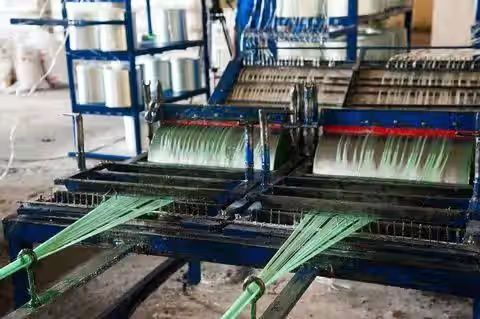
Metal Polishing Machines Explanation for Machine Components and Finishing Performance
Metal polishing machines are industrial systems used to enhance the surface finish of metal components by removing imperfections, scratches, oxidation, and surface irregularities. These machines are widely used in industries such as automotive, aerospace, construction, jewelry, and manufacturing to achieve smooth, reflective, or textured finishes depending on application requirements. Polishing not only improves aesthetic appearance but also enhances corrosion resistance, surface durability, and functional performance.
The importance of metal polishing has increased with the demand for high-quality surface finishes and precision engineering. Recent advancements in abrasive technologies, automation, and robotic polishing systems have improved consistency and efficiency. Industry observations suggest that optimized polishing processes can improve surface quality by up to 30% while reducing manual labor. Additionally, integration with CNC and robotic systems enables repeatable finishing processes, especially in high-volume production environments. As industries focus on quality and efficiency, metal polishing machines play a crucial role in modern manufacturing workflows.
Who It Affects and What Problems It Solves
Metal polishing machines impact manufacturers, production engineers, finishing specialists, and quality control teams. These systems are essential in processes where surface quality and precision are critical.
Practical Problems Addressed
- Surface roughness and imperfections
- Oxidation and corrosion on metal surfaces
- Inconsistent finishing in manual processes
- High labor dependency in polishing operations
- Difficulty achieving mirror or uniform finishes
- Increased rejection rates due to poor surface quality
- Inefficient finishing processes in high-volume production
Types of Metal Polishing Machines
Common Machine Types
| Machine Type | Description | Application |
|---|---|---|
| Belt Polishing Machine | Uses abrasive belts | Flat surfaces and sheets |
| Buffing Machine | Uses rotating buff wheels | High-gloss finishing |
| Vibratory Polisher | Uses vibration and media | Small components |
| Centrifugal Polisher | High-speed rotation | Precision parts |
| Robotic Polishing System | Automated polishing | Complex geometries |
Performance Comparison
| Parameter | Belt | Buffing | Vibratory | Centrifugal |
|---|---|---|---|---|
| Finish Quality | High | Very High | Moderate | High |
| Speed | Moderate | High | Low | High |
| Automation | Moderate | Low | Moderate | High |
| Application Scale | Medium | Small to medium | Small parts | Precision work |
Machine Components of Metal Polishing Systems
Core Components
| Component | Function | Example Role |
|---|---|---|
| Motor | Drives polishing tools | Provides rotational power |
| Abrasive Media | Removes material | Sanding and smoothing |
| Polishing Wheel/Belt | Performs finishing | Surface refinement |
| Worktable/Fixture | Holds workpiece | Stability during operation |
| Control Panel | Adjusts parameters | Speed and pressure control |
Supporting Systems
| System | Purpose | Benefit |
|---|---|---|
| Dust Collection System | Removes particles | Improves safety |
| Cooling System | Prevents overheating | Protects material |
| Automation Controls | Enhances precision | Consistent results |
Metal Polishing Workflow
Step-by-Step Process
| Step | Process | Outcome |
|---|---|---|
| Surface Preparation | Cleaning and inspection | Ready for polishing |
| Rough Polishing | Removal of major defects | Smoother surface |
| Fine Polishing | Refinement process | Improved finish |
| Buffing | High-gloss finishing | Final appearance |
| Inspection | Quality check | Ensures standards |
Key Performance Factors
| Factor | Impact |
|---|---|
| Abrasive Selection | Determines finish quality |
| Machine Speed | Affects efficiency |
| Pressure Control | Influences surface smoothness |
| Material Type | Affects polishing method |
| Cooling | Prevents surface damage |
Comparison: Manual vs Machine Polishing
| Parameter | Manual Polishing | Machine Polishing |
|---|---|---|
| Consistency | Variable | High |
| Efficiency | Low | High |
| Labor Requirement | High | Reduced |
| Finish Quality | Moderate | High |
| Scalability | Limited | High |
Recent Updates and Trends (Past Year)
Robotic Polishing Systems
Automation is increasingly used for consistent finishing, especially in complex components.
Advanced Abrasive Materials
New abrasives improve durability and finishing quality.
Smart Monitoring Systems
Sensors track performance parameters such as speed and pressure.
Eco-Friendly Polishing Compounds
Sustainable materials reduce environmental impact.
Integration with CNC Systems
Polishing processes are being integrated into automated production lines.
Laws and Policies Impacting Metal Polishing
Metal polishing operations must comply with safety standards, environmental regulations, and industrial guidelines.
Key Regulatory Areas
- Workplace safety standards
- Dust and emission control regulations
- Environmental compliance
- Equipment safety standards
Practical Guidance Table
| Regulatory Area | Requirement | Practical Action |
|---|---|---|
| Safety Standards | Protect workers | Use protective equipment |
| Dust Control | Reduce airborne particles | Install dust collection systems |
| Environmental Rules | Manage waste | Use eco-friendly materials |
| Equipment Safety | Ensure safe operation | Maintain machines regularly |
Tools and Resources
Common Tools and Systems
| Tool/System | Purpose | Application |
|---|---|---|
| Abrasive Tools | Surface finishing | Polishing process |
| Buffing Compounds | Enhance shine | Final finishing |
| Dust Collectors | Air filtration | Safety |
| Inspection Tools | Quality control | Surface measurement |
| Control Systems | Process management | Automation |
Emerging Resources
- AI-based polishing optimization tools
- Robotic polishing platforms
- Digital twin simulation systems
- Advanced abrasive technologies
Benefits and Limitations
Benefits
| Benefit | Explanation |
|---|---|
| Improved Surface Quality | Smooth and polished finish |
| Increased Efficiency | Faster processing |
| Reduced Labor | Automation reduces manual work |
| Consistency | Uniform results |
| Enhanced Durability | Better corrosion resistance |
Limitations
| Limitation | Explanation |
|---|---|
| Initial Investment | Equipment cost |
| Maintenance Needs | Regular servicing required |
| Skill Requirements | Operator expertise needed |
| Material Sensitivity | Risk of damage if misused |
Frequently Asked Questions (FAQ)
What is a metal polishing machine?
It is a system used to improve the surface finish of metal components.
What types of polishing machines are available?
Belt, buffing, vibratory, centrifugal, and robotic polishing machines are common types.
Why is polishing important in manufacturing?
It improves appearance, durability, and performance of metal parts.
Can polishing be automated?
Yes, robotic systems enable automated polishing processes.
What factors affect polishing performance?
Abrasives, speed, pressure, and material type are key factors.
Conclusion
Metal polishing machines are essential for achieving high-quality surface finishes in modern manufacturing. Their ability to improve appearance, durability, and functionality makes them a critical component in various industries. With advancements in automation, abrasive technology, and smart monitoring, polishing systems continue to evolve and enhance performance.
A practical recommendation is to select polishing machines based on material type, desired finish, and production requirements. By optimizing process parameters and maintaining equipment properly, organizations can achieve consistent results and improved operational efficiency.