Mezzanine Applications Guide for Industrial Floor Expansion and Space Optimization
Mezzanine systems are intermediate floor structures installed within existing buildings to create additional usable space without expanding the building footprint. Widely used in warehouses, manufacturing facilities, retail spaces, and logistics centers, mezzanines provide a cost-effective solution for increasing storage capacity, workspace, or operational areas. These structures are typically constructed using steel frameworks and can be customized based on load requirements, height constraints, and application needs.
In recent years, the demand for mezzanine systems has increased due to rising real estate costs and the need for efficient space utilization in urban industrial environments. Industry observations indicate that mezzanine installations can increase usable floor space by up to 100% in certain layouts. Additionally, the integration of automation systems, such as conveyors and goods-to-person solutions, has expanded their functional role beyond simple storage platforms. As businesses seek scalable and flexible infrastructure solutions, mezzanines have become a key component in optimizing industrial operations while maintaining cost efficiency.
Who It Affects and What Problems It Solves
Mezzanine systems impact warehouse operators, facility managers, industrial engineers, and business owners. They are particularly beneficial for organizations facing space constraints or planning operational expansion without relocating or constructing new facilities.
Practical Problems Addressed
- Limited floor space in existing facilities
- High cost of building expansion or relocation
- Inefficient vertical space utilization
- Storage congestion and workflow bottlenecks
- Lack of dedicated areas for operations or offices
- Difficulty scaling operations within fixed infrastructure
- Underutilized overhead space
Types of Mezzanine Applications
Common Application Categories
| Application Type | Description | Example Use Case |
|---|---|---|
| Storage Mezzanine | Additional storage levels | Warehouses and distribution centers |
| Work Platform Mezzanine | Operational workspace | Assembly and packaging areas |
| Office Mezzanine | Administrative space | Factory offices |
| Retail Mezzanine | Display and sales area | Showrooms |
| Equipment Platform | Supports machinery | Industrial processing units |
Structural Configurations
| Configuration | Features | Benefit |
|---|---|---|
| Free-Standing | Independent structure | Flexible installation |
| Rack-Supported | Built on storage racks | Space-efficient |
| Shelf-Supported | Integrated with shelving | Cost-effective |
| Multi-Tier | Multiple levels | Maximum space utilization |
Design Considerations for Mezzanine Systems
Key Design Factors
| Factor | Importance | Impact |
|---|---|---|
| Load Capacity | Supports equipment and goods | Ensures safety |
| Floor Height | Determines usability | Optimizes vertical space |
| Material Selection | Affects durability | Long-term performance |
| Access Points | Stairs, lifts, conveyors | Workflow efficiency |
| Safety Features | Railings, gates | Worker protection |
Space Optimization Strategies
| Strategy | Description | Benefit |
|---|---|---|
| Vertical Expansion | Utilize overhead space | Increased capacity |
| Modular Design | Expandable structures | Scalability |
| Integration with Automation | Use conveyors/robots | Improved efficiency |
| Zoning Layout | Separate functional areas | Better workflow |
Comparison: Mezzanine vs Traditional Expansion
| Parameter | Mezzanine Systems | Traditional Expansion |
|---|---|---|
| Cost | Lower | Higher |
| Installation Time | Faster | Longer |
| Flexibility | High | Limited |
| Space Utilization | Efficient | Depends on land availability |
| Disruption | Minimal | Significant |
Recent Updates and Trends (Past Year)
Integration with Automation
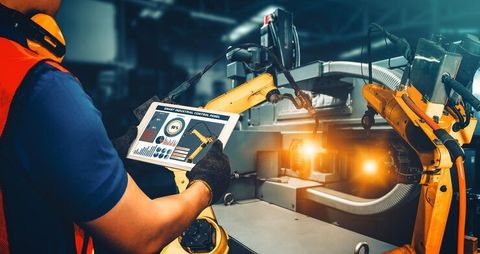
Mezzanine systems are increasingly designed to support conveyors, robotics, and goods-to-person systems, enabling multi-level automated workflows.
Modular and Prefabricated Designs
Pre-engineered mezzanine systems allow faster installation and easier customization.
Lightweight High-Strength Materials
Advanced steel alloys and composite materials improve load capacity while reducing structural weight.
Smart Space Management
Digital tools are being used to plan and optimize mezzanine layouts based on operational data.
Sustainability Focus
Reusable and recyclable materials are being adopted to align with environmental standards.
Laws and Policies Impacting Mezzanine Systems
Mezzanine installations must comply with building codes, safety regulations, and structural engineering standards.
Key Regulatory Areas
- Building construction codes
- Fire safety regulations
- Workplace safety standards
- Load-bearing and structural compliance
Practical Guidance Table
| Regulatory Area | Requirement | Practical Action |
|---|---|---|
| Structural Safety | Ensure load capacity | Conduct engineering analysis |
| Fire Safety | Prevent hazards | Install fire-resistant materials |
| Worker Safety | Prevent accidents | Use guardrails and safety gates |
| Compliance Approval | Meet legal standards | Obtain necessary permits |
Tools and Resources
Common Tools and Systems
| Tool/System | Purpose | Application |
|---|---|---|
| CAD Design Software | Layout planning | Structural design |
| Structural Analysis Tools | Load calculation | Safety assurance |
| Project Management Software | Installation planning | Timeline control |
| Inspection Tools | Quality checks | Compliance verification |
| Material Handling Systems | Integration | Workflow optimization |
Emerging Resources
- Digital twin simulation tools
- AI-based space optimization software
- Modular construction systems
- Automated material handling integration tools
Benefits and Limitations
Benefits
| Benefit | Explanation |
|---|---|
| Increased Space Utilization | Maximizes vertical space |
| Cost Efficiency | Avoids new construction |
| Scalability | Expandable design |
| Faster Installation | Reduced downtime |
| Operational Flexibility | Supports multiple uses |
Limitations
| Limitation | Explanation |
|---|---|
| Load Limitations | Depends on structure design |
| Height Constraints | Limited by building height |
| Compliance Requirements | Requires approvals |
| Maintenance Needs | Periodic inspections required |
Frequently Asked Questions (FAQ)
What is a mezzanine system?
A mezzanine is an intermediate floor added within a building to create additional usable space.
Are mezzanines suitable for warehouses?
Yes, they are widely used in warehouses for storage, operations, and office space.
How much space can a mezzanine add?
It can significantly increase usable space, sometimes doubling the available floor area.
What materials are used in mezzanine construction?
Steel is commonly used due to its strength and durability.
Do mezzanines require regulatory approval?
Yes, they must comply with building and safety regulations.
Conclusion
Mezzanine systems provide an effective solution for industrial floor expansion and space optimization, enabling businesses to maximize existing infrastructure without significant investment in new construction. Their flexibility, scalability, and compatibility with modern automation systems make them a valuable asset in warehouses, manufacturing facilities, and commercial spaces.
A practical recommendation is to evaluate structural capacity, operational requirements, and regulatory compliance before installation. By adopting a well-designed mezzanine system integrated with efficient workflows, organizations can achieve improved space utilization, enhanced productivity, and long-term operational efficiency.