Mining Dump Trucks Overview: Discover Working Principles, Types, and Key Details
Mining dump trucks are large, heavy-duty vehicles designed to transport massive volumes of material such as ore, coal, overburden, and rock within mining sites. These machines operate in surface mines, open-pit operations, and large excavation zones where conventional transport vehicles cannot function efficiently.
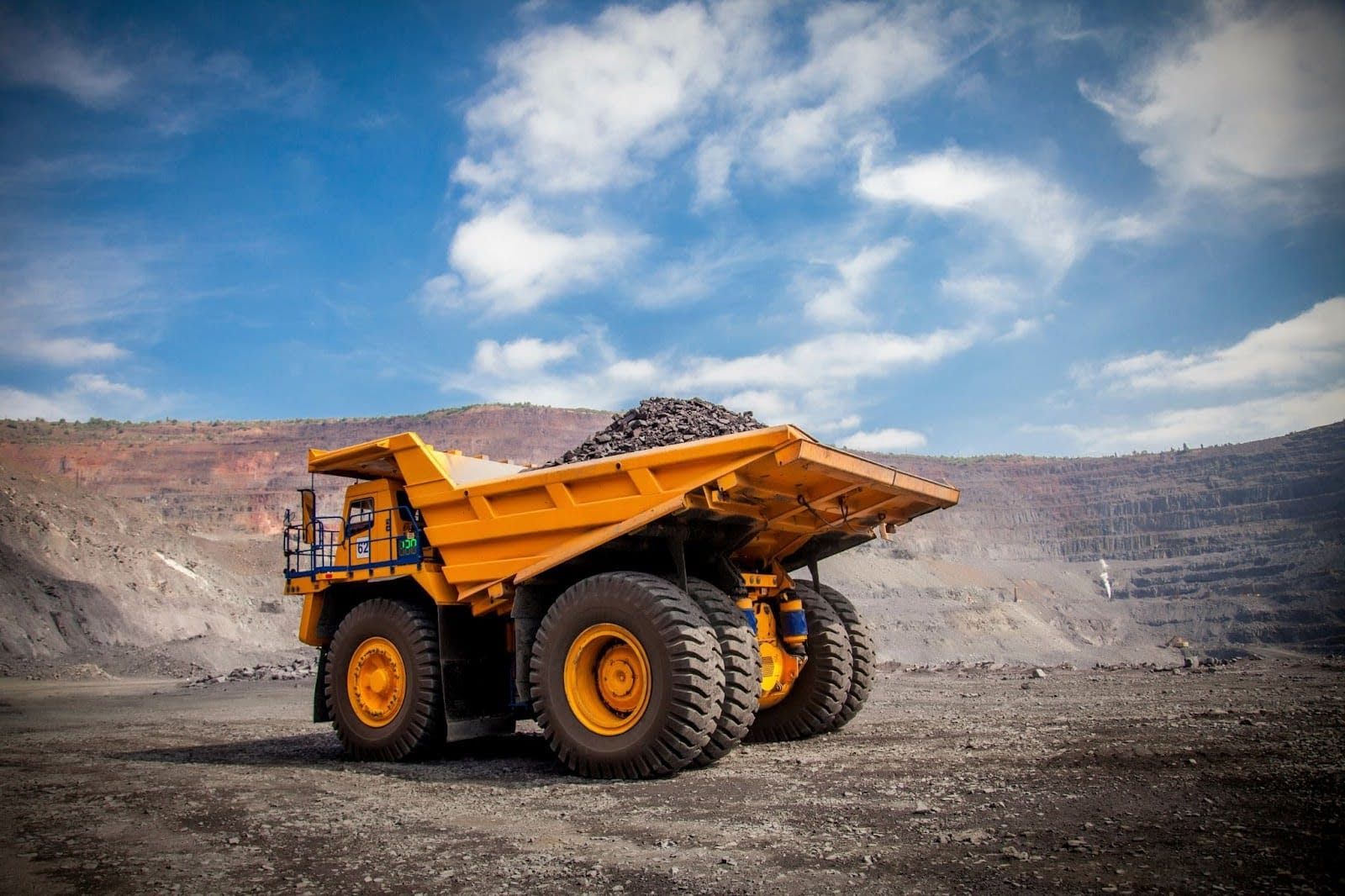 The primary purpose of mining dump trucks is to move extracted material from digging areas to processing plants, stockpiles, or waste dumps. Mining environments demand equipment that can handle extreme loads, rough terrain, steep gradients, and continuous operation. Mining dump trucks exist to meet these conditions while maintaining stability, durability, and operational efficiency.
Unlike standard road trucks, mining dump trucks are engineered specifically for off-highway use. Their size, structural strength, and mechanical systems reflect the need for reliable material handling in demanding industrial environments.
Importance: Why Mining Dump Trucks Matter Today
Mining dump trucks play a critical role in modern mining operations and resource extraction activities. Their importance is closely tied to productivity, safety, and operational continuity.
Key reasons mining dump trucks matter include:
-
They enable the movement of large volumes of material in fewer trips.
-
They support continuous mining cycles without long interruptions.
-
They reduce manual handling and improve workforce safety.
-
They help optimize fuel usage per ton of material moved.
Mining dump trucks directly affect mining companies, equipment operators, maintenance teams, environmental planners, and infrastructure developers. Efficient haulage systems reduce delays between excavation and processing, which is essential for maintaining consistent output.
These vehicles also help solve logistical challenges in remote or large-scale mining zones where conveyors or rail systems are not practical. Their ability to adapt to changing mine layouts makes them essential throughout the life cycle of a mining site.
Recent Updates: Technology and Operational Trends
Mining dump trucks continue to evolve as mining operations focus on efficiency, automation, and environmental responsibility. Recent developments highlight a shift toward smarter and more adaptive equipment rather than just larger machines.
Notable trends include:
-
Increased use of onboard monitoring systems to track load weight, tire pressure, and engine performance.
-
Integration of autonomous and semi-autonomous driving features in controlled mining zones.
-
Greater adoption of electric and hybrid drive systems to reduce fuel dependency.
-
Advanced suspension systems designed to improve stability on uneven terrain.
-
Enhanced operator cabins with ergonomic controls and digital displays.
Mining operators are also emphasizing predictive maintenance. Sensors embedded in key components allow teams to identify wear patterns early, reducing unexpected downtime. These changes reflect a broader industry focus on data-driven decision-making and safer operations.
Laws or Policies: Regulatory Influence on Mining Dump Trucks
Mining dump trucks are subject to strict regulations that govern safety, emissions, and operational standards. These rules vary by country but generally aim to protect workers, communities, and the environment.
Common regulatory areas include:
-
Maximum payload limits to prevent structural failures.
-
Mandatory safety features such as braking systems, rollover protection, and visibility aids.
-
Emission standards for engines operating in industrial zones.
-
Noise and dust control requirements within mining sites.
-
Operator training and certification guidelines.
Government mining authorities and environmental agencies influence how mining dump trucks are designed and used. Compliance with these policies ensures that mining operations remain legally approved and socially acceptable.
In some regions, mining development programs encourage the adoption of cleaner and more efficient heavy equipment to reduce environmental impact without compromising productivity.
Tools and Resources: Supporting Mining Dump Truck Operations
Several digital tools and technical resources support the planning, operation, and maintenance of mining dump trucks. These resources help improve decision-making and operational accuracy.
Commonly used tools and resources include:
-
Fleet management software for tracking vehicle performance and utilization.
-
Payload calculation systems that prevent overloading.
-
Maintenance scheduling platforms for equipment health monitoring.
-
Fuel efficiency analysis dashboards.
-
Training simulators for dump truck operators.
-
Technical manuals and specification databases provided by equipment manufacturers.
These tools help mining professionals optimize haul truck selection, reduce operational risks, and maintain consistent performance across large fleets.
Types of Mining Dump Trucks and Their Characteristics
Mining dump trucks are classified based on design, drive system, and operational environment. Each type serves specific mining requirements.
Rigid Dump Trucks
Rigid dump trucks feature a fixed chassis and are commonly used in large open-pit mines. They offer high payload capacity and stability on wide haul roads.
Articulated Dump Trucks
These trucks have a pivot joint between the cab and the dump body. They perform well on uneven or slippery terrain and are often used in smaller mining or construction-related extraction sites.
Mechanical Drive Dump Trucks
Mechanical drive systems transfer engine power directly to the wheels through transmissions. They are known for simplicity and ease of maintenance.
Electric Drive Dump Trucks
Electric drive models use generators and electric motors to move the vehicle. They provide better control on slopes and improved energy efficiency under heavy loads.
Working Principle of Mining Dump Trucks
Mining dump trucks operate on a straightforward yet highly engineered working principle focused on load transport efficiency.
The basic process includes:
-
Loading material using excavators or shovels.
-
Transporting the load across haul roads.
-
Raising the dump body using hydraulic systems.
-
Releasing material at designated dumping points.
-
Returning to the loading area for the next cycle.
Hydraulic cylinders lift the dump body while reinforced frames distribute weight evenly. Braking and retarding systems control speed during descent, especially when carrying full loads. Advanced control systems assist operators in maintaining balance and traction.
Key Components and Systems
Mining dump trucks consist of several critical systems working together.
Major components include:
-
High-strength steel frames
-
Heavy-duty diesel or electric engines
-
Hydraulic dump body mechanisms
-
Advanced braking and retarder systems
-
Large off-highway tires
-
Suspension systems designed for load absorption
-
Operator cabins with safety and monitoring controls
Each component is engineered to handle continuous stress, temperature variations, and abrasive materials.
Table: Comparison of Common Mining Dump Truck Types
| Feature | Rigid Dump Trucks | Articulated Dump Trucks |
|---|---|---|
| Payload Capacity | Very high | Moderate |
| Terrain Suitability | Smooth haul roads | Rough or uneven terrain |
| Maneuverability | Limited | High |
| Typical Application | Large surface mines | Smaller or complex sites |
FAQs: Common Questions About Mining Dump Trucks
What is the average payload capacity of a mining dump truck?
Payload capacity varies widely depending on the model and type, ranging from moderate loads to extremely high volumes used in large surface mines.
How do mining dump trucks differ from highway trucks?
Mining dump trucks are designed for off-road use, larger loads, and continuous operation in harsh environments, unlike highway trucks built for paved roads.
What fuels are used in mining dump trucks?
Most use diesel engines, while some newer models incorporate electric or hybrid drive systems for improved efficiency.
Are mining dump trucks automated?
Some mining operations use autonomous or semi-autonomous dump trucks in controlled environments to improve consistency and safety.
What factors affect dump truck selection in mining?
Mine size, terrain, haul distance, material type, and regulatory requirements all influence the choice of dump truck.
Conclusion: Understanding the Role of Mining Dump Trucks
Mining dump trucks are foundational to efficient mining operations. Their design, working principles, and technological evolution reflect the growing complexity of modern resource extraction. By enabling safe and efficient material movement, these vehicles support productivity while adapting to regulatory and environmental expectations.
A clear understanding of mining dump truck types, components, and operational roles helps stakeholders make informed decisions across planning, operations, and maintenance activities.

