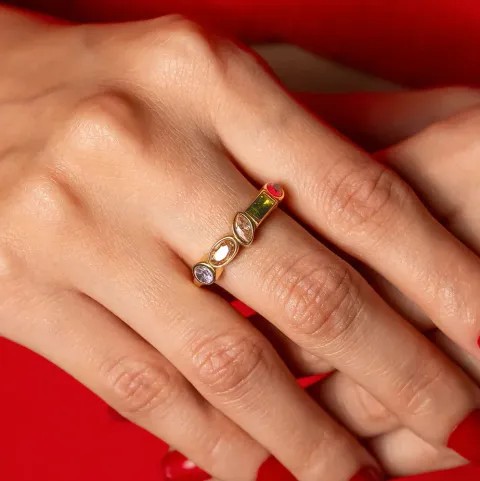
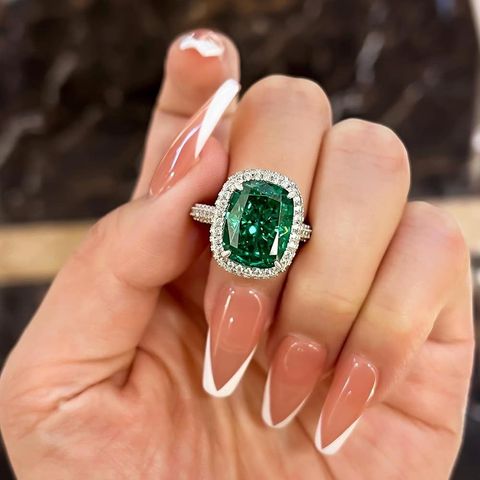
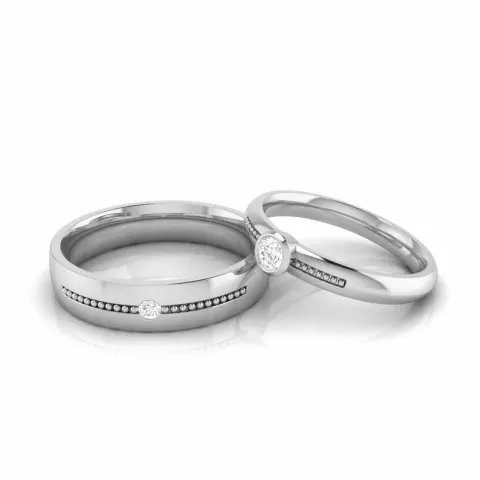
Mixed Metal Rings: Explore Insights, Information, and Styling Suggestions
Mixed metal rings are jewelry pieces crafted using two or more different metals within a single design. Common combinations include gold and silver, platinum and rose gold, or yellow gold paired with white gold. Instead of using one uniform metal, designers intentionally blend tones to create contrast, dimension, and visual interest.
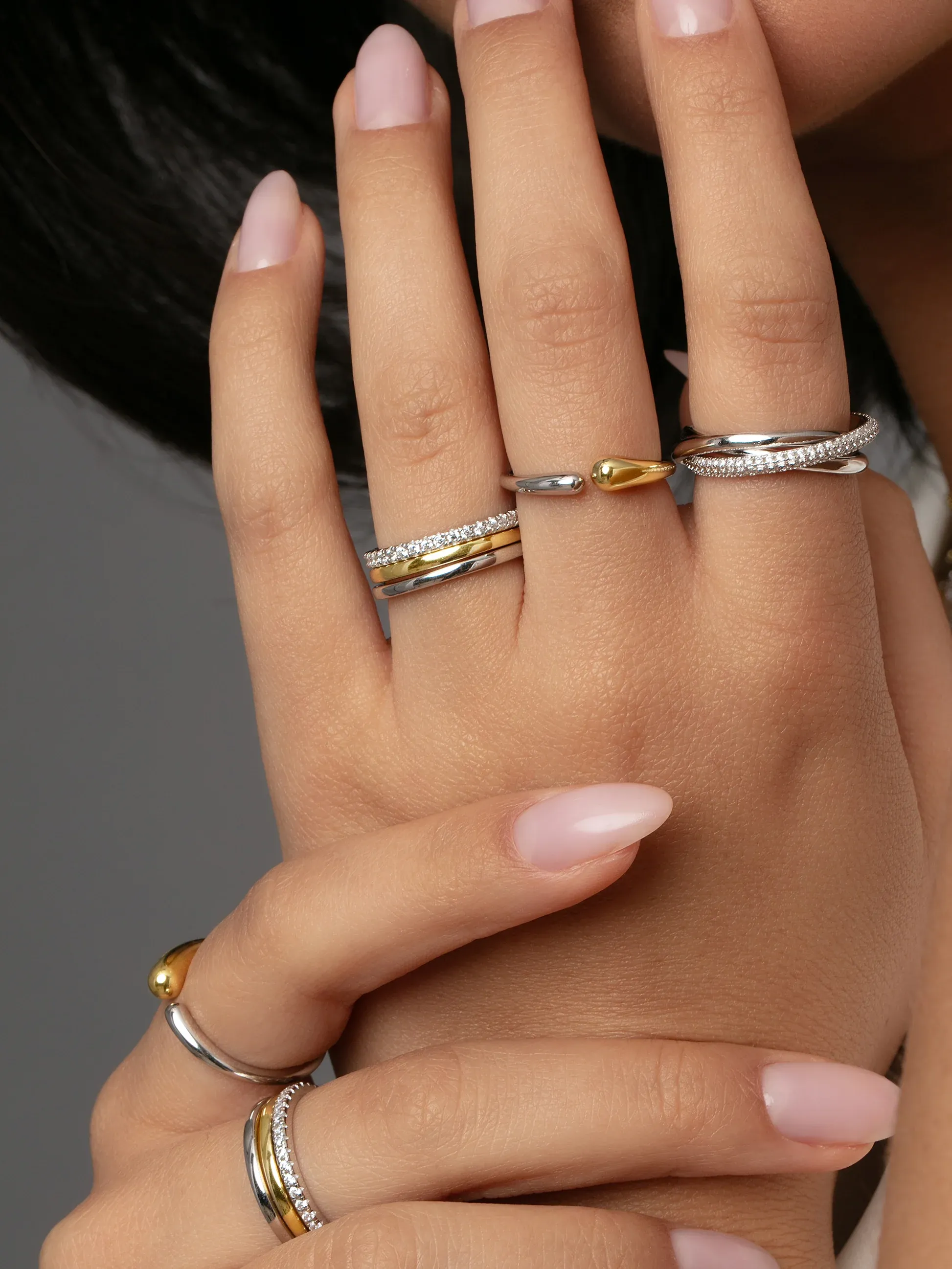 This concept exists because jewelry preferences and fashion trends evolve. Many people wear accessories in different metal colors, and coordinating them can be challenging. Mixed metal designs provide a solution by combining tones in one cohesive piece. This approach allows greater flexibility in styling and reflects contemporary tastes that value personalization and versatility.
From a design perspective, mixed metal rings also highlight craftsmanship. Combining metals requires precise soldering, casting, or inlay techniques. Jewelry engineering, metallurgy standards, and hallmarking practices play important roles in ensuring durability and authenticity.
Common metal combinations include:
-
Yellow gold with white gold
-
Rose gold with platinum
-
Sterling silver with 14K gold accents
-
Titanium with gold detailing
These combinations may appear in wedding bands, statement rings, stacking rings, or custom engagement designs.
Why Mixed Metal Rings Matter Today
Mixed metal rings have gained attention in the fine jewelry market for several reasons linked to modern consumer behavior and design innovation.
Versatility in Styling
Many individuals wear watches, bracelets, or necklaces in different tones. A mixed metal ring coordinates with multiple accessories without appearing mismatched. This makes it practical for daily wear and professional environments.
Personal Expression
Jewelry is often associated with identity and symbolic meaning. Combining metals allows wearers to represent multiple elements, such as blending traditional gold with contemporary platinum. Custom jewelry design trends emphasize individuality, making mixed metals appealing.
Investment and Material Considerations
Precious metals such as platinum and gold are frequently discussed in financial contexts due to their value retention. While jewelry is not purely an investment vehicle, understanding gold purity (e.g., 14K, 18K) and platinum density helps consumers make informed decisions about durability and long-term wear.
Durability and Functionality
Certain metals have distinct mechanical properties:
| Metal Type | Durability Level | Tarnish Resistance | Typical Use in Mixed Designs |
|---|---|---|---|
| Platinum | Very High | Excellent | Structural base |
| 18K Gold | High | Very Good | Accent or band section |
| Sterling Silver | Moderate | Moderate | Decorative detail |
| Titanium | High | Excellent | Modern design elements |
Combining metals can balance durability and aesthetics. For example, platinum may provide structural strength while gold adds color contrast.
Professional and Bridal Trends
Bridal jewelry and engagement ring settings increasingly incorporate mixed tones. This trend allows rings to match both yellow and white jewelry collections. It also aligns with broader fashion movements that embrace contrast rather than strict uniformity.
Recent Developments in Mixed Metal Design
In the past year, jewelry exhibitions and trade publications have highlighted several updates in mixed metal craftsmanship.
One notable shift is the rise of matte and brushed finishes combined with polished surfaces. This contrast enhances texture and reduces the need for heavy ornamentation. Designers have also explored geometric band patterns where metals alternate in precise segments.
Another emerging approach involves ethical sourcing transparency. Discussions around responsible gold sourcing and recycled metals have gained attention in global jewelry forums. Consumers increasingly seek information about recycled gold content and platinum traceability.
Digital design tools have also influenced innovation. Computer-aided design (CAD) software enables precise modeling of multi-metal bands before production. This reduces material waste and improves alignment between metals.
Customization platforms now allow individuals to preview combinations of yellow, rose, and white gold digitally. This visualization capability has encouraged experimentation and informed decision-making.
Minimalist trends remain prominent, but bold, sculptural designs featuring interlocking metal layers are also gaining recognition. These designs emphasize craftsmanship and structural creativity.
Regulations and Policy Considerations
Mixed metal rings are subject to national and international regulations that protect consumers and ensure quality standards.
Hallmarking Requirements
In many countries, precious metal jewelry must carry official hallmarks indicating purity. For example:
-
Gold purity may be marked as 14K or 18K.
-
Platinum purity may appear as 950 (indicating 95% platinum content).
Each metal portion of a mixed ring may need separate marking depending on local regulations.
Consumer Protection Laws
Jewelry descriptions must accurately reflect metal composition. Misrepresentation of metal type or purity can violate consumer protection regulations. Transparency in labeling helps maintain trust in the fine jewelry market.
Import and Export Regulations
Precious metals are often subject to customs documentation and trade compliance rules. Jewelers who manufacture or distribute internationally must adhere to these standards, especially regarding origin declarations.
Environmental and Mining Policies
Some governments enforce environmental standards related to mining practices. Ethical sourcing programs and certifications aim to reduce environmental impact and support responsible extraction methods.
Tax Considerations
In certain jurisdictions, precious metal goods may be subject to value-added tax or luxury tax categories. Regulations vary, and compliance ensures lawful retail distribution.
Understanding these frameworks helps consumers interpret jewelry markings and make informed decisions based on verified material content.
Tools and Resources for Learning and Styling
Several practical tools can help individuals explore mixed metal rings and related topics.
Metal Purity Calculators
Online calculators allow users to convert karat values into percentage purity. For example, 18K gold equals 75% pure gold. These tools clarify material composition.
Jewelry Design Software
CAD platforms used by designers provide insight into how multiple metals can be structured in a single band. Viewing digital prototypes supports better understanding of construction techniques.
Ring Size Measurement Charts
Accurate sizing ensures comfort, especially when combining metals that may vary slightly in flexibility.
Material Comparison Tables
Reference charts comparing hardness, density, and scratch resistance help users evaluate durability. For example:
| Property | Gold | Platinum | Titanium |
|---|---|---|---|
| Density | Medium | High | Low |
| Scratch Resistance | Moderate | High | High |
| Weight Feel | Balanced | Heavier | Lightweight |
Jewelry Care Guides
Maintenance instructions help preserve mixed metal finishes. Polishing cloths designed for specific metals can prevent uneven wear.
Industry Reports and Market Analysis
Fine jewelry market research publications discuss trends in metal demand, sustainability initiatives, and consumer preferences.
These resources support informed decision-making and long-term jewelry care.
Styling Suggestions for Mixed Metal Rings
Mixed metal rings are adaptable and can be styled in various ways.
Stacking Approach
Layering thin bands in alternating tones enhances dimension. A white gold band can sit between rose and yellow gold rings for contrast.
Minimalist Styling
A single mixed metal band pairs well with neutral clothing tones, allowing the design to stand out subtly.
Professional Settings
Two-tone rings complement both silver-toned watches and gold bracelets, creating a cohesive appearance.
Statement Wear
Bold, sculptural rings featuring distinct metal divisions can serve as focal pieces for formal occasions.
Coordinated Accessories
When wearing earrings or necklaces in one metal tone, a mixed metal ring bridges visual gaps without clashing.
Frequently Asked Questions
What are the most common metals used in mixed metal rings?
Yellow gold, white gold, rose gold, platinum, sterling silver, and titanium are commonly combined. Precious metal combinations are popular in fine jewelry, while contemporary designs may incorporate alternative metals.
Are mixed metal rings durable for daily wear?
Durability depends on the metals used and construction quality. Platinum and titanium provide high strength, while gold offers moderate resistance to wear. Proper care and occasional polishing help maintain appearance.
How do hallmarks work in multi-metal jewelry?
Each metal component may carry a purity mark, depending on national hallmarking laws. These marks indicate authenticity and metal content percentage.
Can mixed metal rings be resized?
Resizing is possible in many cases but may require specialized techniques due to multiple metals. Structural design and soldering points influence adjustability.
Do mixed metal designs require special maintenance?
Routine cleaning with mild soap and water is generally sufficient. Separate polishing materials may be used for different metals to avoid uneven finish.
Conclusion
Mixed metal rings represent a practical and artistic approach to modern jewelry design. By combining distinct metal tones, these pieces offer flexibility, aesthetic contrast, and compatibility with diverse accessory collections. Advances in digital design tools and responsible sourcing practices have contributed to their growing relevance.
Understanding metal properties, hallmarking regulations, and maintenance practices supports informed decisions. Whether selected for everyday wear or symbolic occasions, mixed metal rings illustrate how craftsmanship and material science intersect in contemporary fine jewelry.
With thoughtful styling and awareness of quality standards, these designs continue to reflect evolving preferences in personal adornment and durable luxury goods.