Modern Farming Machines Explained: A Beginner’s Guide to Smart Agriculture Tools
Modern farming machines are tools and equipment designed to improve the efficiency, productivity, and sustainability of agricultural operations. They range from simple seed drills and harvesters to advanced GPS-guided tractors and AI-powered drones.
Agricultural machinery has evolved over time to reduce manual labor, minimize errors, and help farmers manage large-scale operations. Smart agriculture also called precision farming relies heavily on these machines to make data-driven decisions, monitor field conditions, and optimize inputs like water, seeds, and fertilizer.
As the global population grows and climate change challenges traditional methods, smart farming technologies have become essential to ensure food security and sustainable land use.
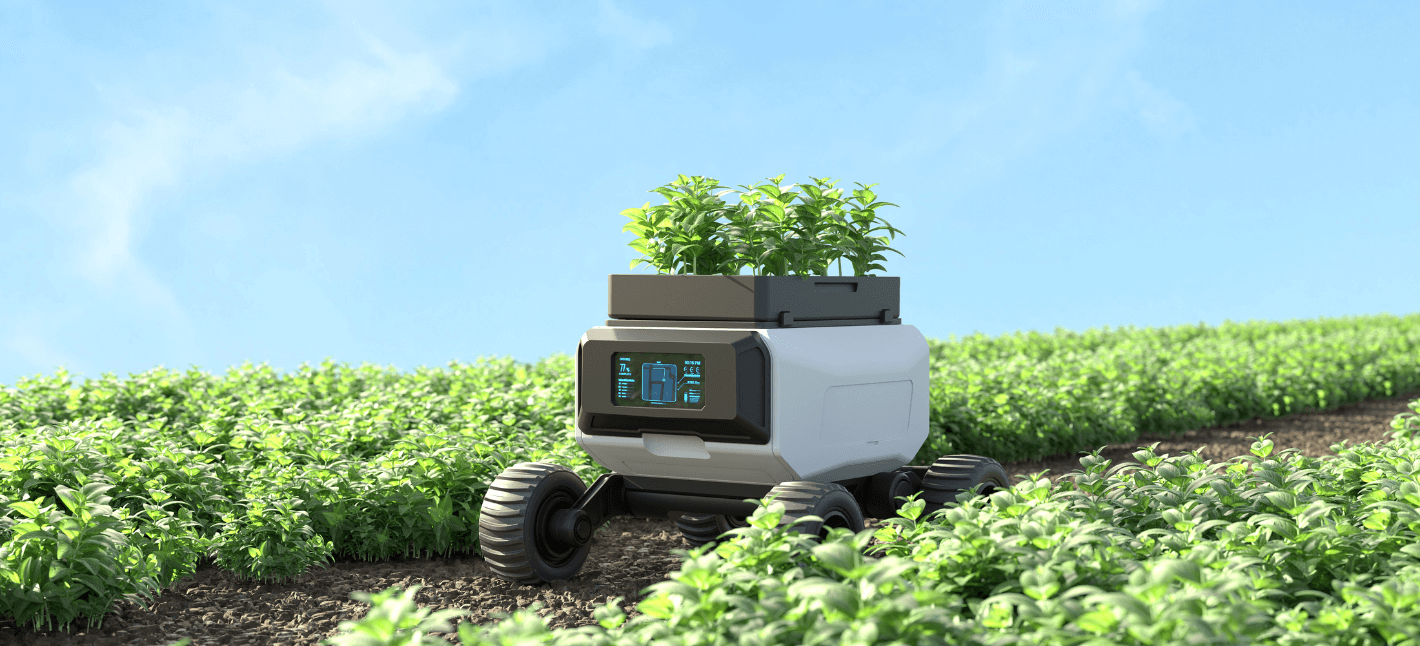
Why Modern Agriculture Tools Are Important Today
Modern agriculture tools are important for several reasons, affecting a wide range of people from small-scale farmers to large agribusinesses, government bodies, and even consumers.
Key Benefits:
-
Increased Efficiency: Machines reduce time and manual effort in planting, spraying, irrigating, and harvesting.
-
Precision Farming: Advanced sensors and GPS systems help apply the right inputs at the right time and place.
-
Higher Yields: Smart machines improve crop output by ensuring optimal growing conditions.
-
Sustainability: Automation and monitoring systems reduce water, pesticide, and fuel use.
-
Cost Management: Over time, machines can reduce labor and input costs, improving profitability.
Who It Affects:
-
Farmers benefit through better productivity.
-
Governments rely on mechanization for food security and economic development.
-
Agri-tech companies provide innovation and services in this space.
-
Consumers indirectly benefit from more stable food prices and supply chains.
Recent Updates in Smart Agriculture (2024–2025)
The past year has seen major innovations in smart agriculture tools, including AI, robotics, and automation. Below are some notable developments:
| Trend | Description |
|---|---|
| Autonomous Tractors | Brands like John Deere and Kubota introduced driverless tractors with real-time GPS mapping and obstacle detection. |
| Drones with AI Integration | Drones are now used not just for mapping, but for crop spraying and pest detection using AI image analysis (2024). |
| Smart Irrigation | IoT-based irrigation systems are gaining popularity in water-scarce areas (e.g., India, Australia). |
| Agri-Robots | Robots now handle weeding, fruit picking, and soil analysis, improving labor efficiency in places like the U.S. and Netherlands. |
| Data Platforms | Platforms like Climate FieldView and CropX help farmers analyze soil health, weather, and input data for better planning. |
Government Laws, Policies, and Support Programs
Government policy plays a critical role in promoting the adoption of modern agricultural tools.
India:
-
Subsidies: Under the Sub-Mission on Agricultural Mechanization (SMAM), farmers receive subsidies on machinery purchases.
-
Custom Hiring Centers: These centers allow small farmers to rent equipment at low cost.
-
PM-KUSUM: Supports solar-powered irrigation pumps, reducing dependency on diesel.
United States:
-
USDA Precision Ag Loan Program (2024): Offers loans to farmers investing in smart agriculture tools.
-
Conservation Compliance Laws: Encourage the use of GPS and sensors for sustainable land and water use.
European Union:
-
CAP (Common Agricultural Policy): Offers funding for digital technologies in agriculture.
-
EU Green Deal: Focuses on sustainable and tech-enabled farming under the Farm to Fork Strategy.
These policies aim to improve productivity while addressing environmental and labor concerns.
Helpful Tools and Resources for Farmers
Adopting modern farming tools can be easier with the help of digital platforms, services, and educational resources.
Apps and Platforms:
-
Krishi Network (India): Offers local-language farming advice, market rates, and weather updates.
-
Trimble Ag Software: A GPS-based tool for mapping and managing fields.
-
FarmLogs: Helps monitor crop health, rainfall, and field activities.
Government Resources:
-
Agricultural Mechanization Portal (India): Lists subsidy programs, guidelines, and machinery data.
-
USDA Tech Tools Hub: Centralizes precision agriculture tools and equipment resources.
Templates and Calculators:
-
Fertilizer Application Calculator: Available through agri-extension websites.
-
Irrigation Scheduling Templates: Help farmers track water use.
These tools support farmers in making informed, real-time decisions to maximize yield and minimize cost.
Frequently Asked Questions (FAQs)
1. What are examples of modern farming machines?
Examples include seed drills, combine harvesters, GPS-guided tractors, crop-monitoring drones, and autonomous irrigation systems.
2. Are smart farming tools only for large-scale farmers?
No. While larger farms have more access to high-end machines, many governments and private companies offer rental services or scaled-down models for smallholders.
3. How expensive are modern agriculture machines?
Costs vary widely. A basic seed planter might cost a few hundred dollars, while advanced tractors or drones can cost thousands. However, subsidies and custom hiring services help reduce the financial burden.
4. Can using machines harm the environment?
When used correctly, modern machines reduce environmental harm by optimizing input use (like water and fertilizer) and minimizing soil damage. Sustainability features are often built-in to newer models.
5. How can farmers learn to use smart farming tools?
Training is available through agricultural universities, mobile apps, local extension officers, and NGOs. In India, Krishi Vigyan Kendras (KVKs) provide hands-on training.
Final Thoughts
Modern farming machines are transforming agriculture by making it more data-driven, efficient, and sustainable. With growing global food demands and shrinking resources, smart agriculture tools offer a path forward for both small and large-scale farmers.
Government policies, innovative technology, and accessible resources are helping bridge the gap between traditional methods and future-ready farming. Whether you're a beginner or a decision-maker in agriculture, understanding these tools is essential to navigating the future of food production.