Molding Machines Technology and Processing Methods Overview for Manufacturing
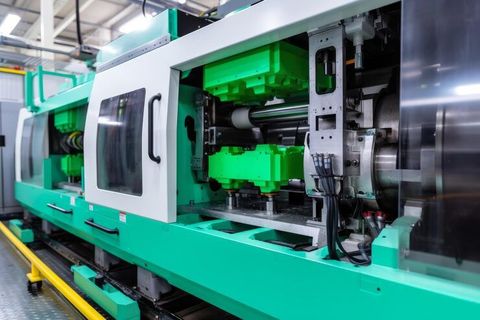
Molding machines are essential manufacturing systems used to shape raw materials—primarily plastics, metals, rubber, and composites—into finished products through controlled processes. These machines operate by applying heat, pressure, or both to form materials into specific shapes using molds. Common molding techniques include injection molding, blow molding, compression molding, and rotational molding, each suited to different materials and applications.
The importance of molding machines has grown significantly in recent years due to increasing demand for high-volume, precision-engineered components across industries such as automotive, packaging, healthcare, and consumer goods. Manufacturers are focusing on improving productivity, reducing waste, and achieving consistent product quality.
Recent trends highlight the integration of automation, smart sensors, and data analytics into molding systems, enabling real-time monitoring and process optimization. Additionally, the push toward sustainable manufacturing has led to the adoption of recyclable materials and energy-efficient machines. As global manufacturing evolves, understanding molding technologies and processing methods is critical for achieving efficiency and competitiveness.
Who It Affects and What Problems It Solves
Molding machines impact a wide range of stakeholders, including production engineers, product designers, plant managers, and quality control teams. Industries that require mass production of uniform and complex components rely heavily on molding technologies to meet performance and cost targets.
Small manufacturers often use semi-automatic molding machines for flexibility and lower initial investment, while large-scale industries depend on fully automated systems for high-speed production. Contract manufacturers also use versatile molding systems to serve multiple industries with varying product requirements.
Problems It Solves
- Inconsistent Product Quality: Ensures uniform shape, size, and performance across production batches.
- High Manufacturing Costs: Reduces per-unit cost through mass production capabilities.
- Material Waste: Optimized processes minimize scrap and improve resource utilization.
- Complex Design Limitations: Enables production of intricate and customized shapes.
- Labor Dependency: Automation reduces manual intervention and associated errors.
Recent Updates and Trends
Molding machine technology has seen several advancements in the past year:
- Smart Manufacturing Integration (2025–2026): Use of IoT-enabled systems for real-time monitoring and predictive maintenance.
- All-Electric Molding Machines: Increasing adoption due to higher precision and energy efficiency.
- Sustainable Materials: Growing use of biodegradable and recycled materials in molding processes.
- Advanced Simulation Tools: Digital modeling for optimizing mold design and reducing defects.
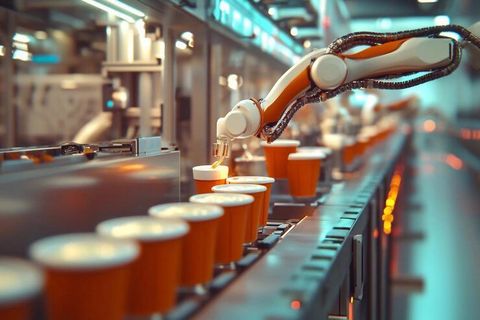
- Automation and Robotics: Robotic systems for part handling, inspection, and packaging.
These trends reflect a transition toward efficient, sustainable, and digitally connected manufacturing environments.
Molding Machine Types and Processing Methods Comparison
Molding Machine Types
| Machine Type | Material Used | Accuracy Level | Production Speed | Key Advantage |
|---|---|---|---|---|
| Injection Molding | Plastics, composites | Very High | High | Precision and repeatability |
| Blow Molding | Plastics | High | High | Ideal for hollow products |
| Compression Molding | Rubber, thermosets | High | Medium | Strong and durable components |
| Rotational Molding | Plastics | Moderate | Low to Medium | Uniform wall thickness |
| Transfer Molding | Thermosetting plastics | High | Medium | Suitable for encapsulated components |
Processing Methods Overview
| Method | Description | Key Benefit |
|---|---|---|
| Injection Process | Molten material injected into mold | High-volume precision manufacturing |
| Blow Process | Air used to expand material into mold | Efficient for bottles and containers |
| Compression Process | Material compressed under heat and pressure | Strong and durable products |
| Rotational Process | Mold rotates to distribute material evenly | Uniform thickness and minimal waste |
| Transfer Process | Heated material transferred into mold cavity | Improved surface finish |
Laws and Policies
Molding machine operations are influenced by industrial regulations related to safety, environmental impact, and product quality.
Key Regulatory Areas
- Industrial Safety Standards: Ensure safe operation under high pressure and temperature conditions.
- Environmental Regulations: Focus on reducing emissions, waste, and energy consumption.
- Quality Standards: Compliance with ISO and industry-specific manufacturing guidelines.
- Material Regulations: Restrictions on hazardous substances in molded products.
Practical Guidance
- Use energy-efficient machines to meet environmental compliance and reduce operational costs.
- Implement waste management and recycling systems within production processes.
- Ensure regular maintenance and calibration for consistent product quality.
- Follow industry-specific standards for sectors such as medical, automotive, and food packaging.
Tools and Resources
Various tools and resources support efficient molding machine operations:
Design and Simulation Tools
- CAD software for mold design
- Mold flow analysis tools for process optimization
- Digital twin technology for performance simulation
Operational Tools
- PLC systems for automation and control
- Sensors for monitoring temperature, pressure, and flow
- Human Machine Interface (HMI) for real-time operation
Maintenance and Quality Tools
- Predictive maintenance software
- Vision inspection systems for defect detection
- Calibration and testing equipment
Industry Resources
- Technical training programs for machine operators
- Manufacturing standards and guidelines
- Research publications on materials and processes
Frequently Asked Questions (FAQ)
What are molding machines used for?
They are used to shape materials into finished products by applying heat and pressure within molds.
Which molding process is most commonly used?
Injection molding is one of the most widely used processes due to its precision and scalability.
What factors affect molding quality?
Temperature control, pressure settings, material properties, mold design, and machine calibration all influence quality.
Are molding machines energy-efficient?
Modern machines, especially electric models, are designed to be energy-efficient and environmentally friendly.
Can molding machines handle multiple materials?
Yes, different molding techniques are designed to work with various materials such as plastics, rubber, and composites.
Conclusion
Molding machines are a cornerstone of modern manufacturing, enabling efficient production of high-quality components across diverse industries. Industry trends indicate that automation, energy efficiency, and advanced materials are driving improvements in performance and sustainability.
The choice of molding machine and processing method depends on factors such as material type, product design, production volume, and regulatory requirements. Injection molding offers precision and scalability, while other methods provide flexibility for specific applications.
In conclusion, adopting advanced molding technologies and optimized processing methods allows manufacturers to improve productivity, reduce waste, and meet evolving industry standards, making molding machines an essential part of efficient and sustainable manufacturing systems.