Multifunctional Furniture Overview: Explore Basics, Explanation, Facts, and Useful Information
Multifunctional furniture refers to pieces designed to perform more than one purpose within a single structure. This concept has evolved alongside changing living patterns, particularly in urban areas where space constraints and flexible lifestyles influence interior design decisions. Today, multifunctional furniture is often associated with modern housing, compact apartments, and adaptable office environments.
In recent years, the concept has expanded beyond basic foldable or convertible items to include advanced designs that integrate with smart systems. This includes smart home automation and furniture integration, where furniture interacts with lighting, climate control, or digital devices. At the same time, industries such as real estate staging services for luxury homes and luxury home renovation contractors increasingly consider multifunctional elements to improve both functionality and visual appeal.
The idea also overlaps with custom built in furniture design services, which focus on tailoring furniture to specific spaces. These designs aim to maximize efficiency without compromising aesthetics, especially in high-value residential and commercial environments.
Importance
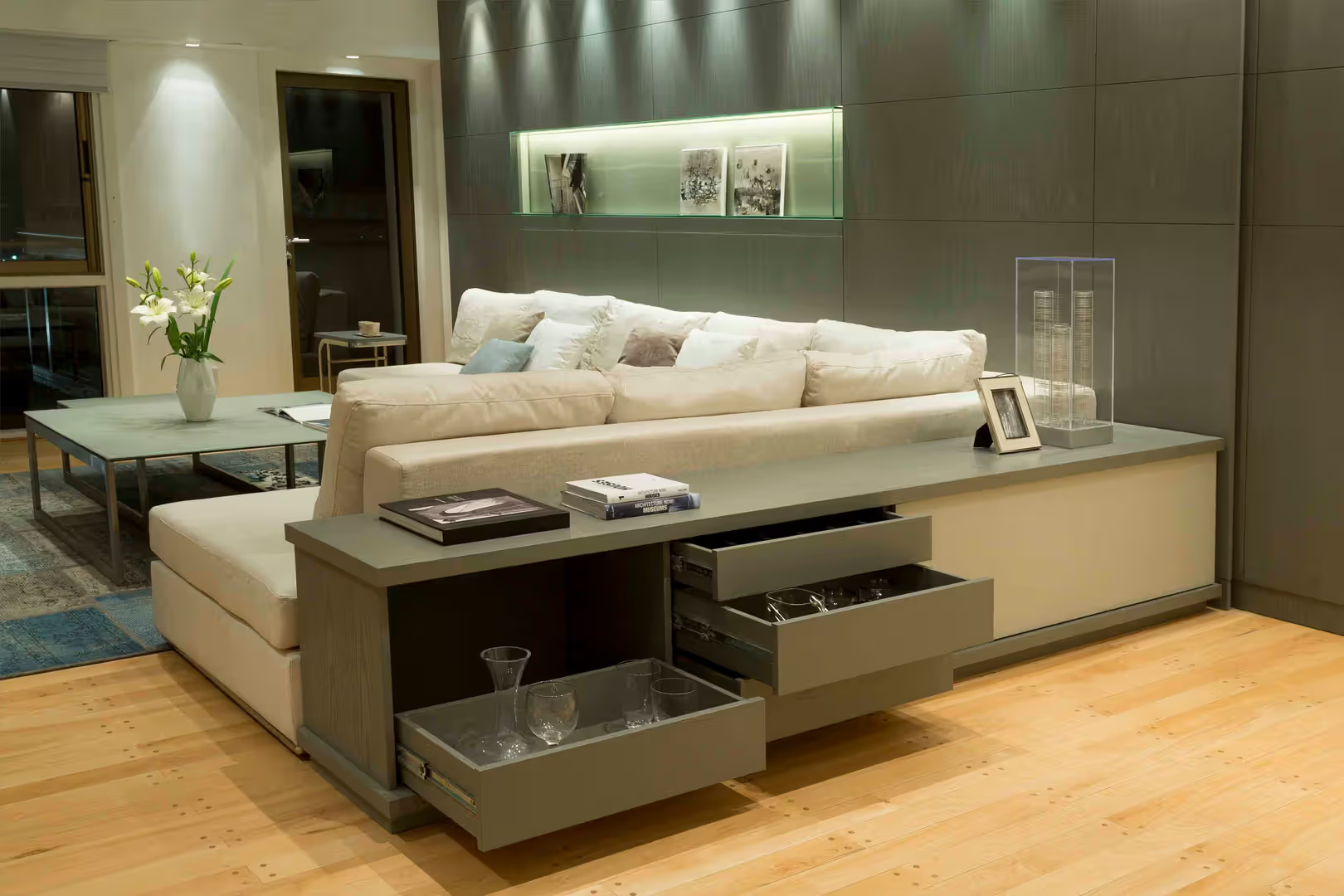
Multifunctional furniture plays a significant role in addressing modern spatial and lifestyle challenges. As urban populations grow, living spaces often become smaller, making it necessary to use available areas more efficiently. This is particularly relevant for multifunctional furniture for luxury apartments, where maintaining comfort and design quality remains essential despite limited space.
For homeowners, this approach helps manage clutter and improve usability. Items such as foldable beds, extendable tables, or storage-integrated seating allow rooms to serve multiple purposes throughout the day. In commercial settings, modular furniture for commercial office spaces supports flexible work arrangements, including shared desks and collaborative zones.
Key challenges addressed by multifunctional furniture include:
- Space limitations: Space saving furniture for high end homes allows efficient use of smaller layouts without overcrowding.
- Changing lifestyles: Remote work and hybrid living require adaptable environments.
- Design consistency: Combining function with aesthetics ensures that interiors remain visually cohesive.
- Efficiency in staging: Real estate staging services for luxury homes use multifunctional setups to demonstrate practical use of space.
Additionally, premium space saving furniture solutions are becoming relevant in both residential and office environments, helping individuals balance comfort, productivity, and organization.
Recent Updates
The multifunctional furniture sector has seen several developments between 2024 and 2026. One notable trend is the integration of digital technology into furniture design. Smart home automation and furniture integration now allow furniture to include features such as wireless charging, sensor-based adjustments, and connectivity with home systems.
Another trend involves sustainability. Designers are increasingly using recyclable materials and modular components that can be reconfigured over time. This aligns with broader environmental goals and reduces the need for frequent replacements.
Customization has also become more prominent. Custom multifunctional furniture for offices is now tailored to specific workflows, allowing businesses to adjust layouts as needs evolve. Similarly, high end modular kitchen design services incorporate multifunctional elements such as hidden storage, retractable surfaces, and convertible dining areas.
In luxury housing, multifunctional furniture for luxury apartments is being designed with both practicality and visual appeal in mind. This reflects a shift toward interiors that combine elegance with adaptability rather than focusing solely on decorative elements.
Laws or Policies
Furniture design and installation are influenced by various regulations, particularly in countries like India. These rules are intended to ensure safety, environmental responsibility, and building compliance.
Key regulatory aspects include:
- Building codes: Local authorities set guidelines for structural modifications, which affect built-in furniture and integrated systems.
- Fire safety standards: Materials used in furniture must comply with fire resistance requirements, especially in residential complexes and office spaces.
- Environmental regulations: Policies encourage the use of sustainable materials and responsible manufacturing practices.
- Electrical safety norms: Smart home automation and furniture integration must follow electrical safety standards to prevent hazards.
For projects involving luxury home renovation contractors, compliance with municipal guidelines is essential. Similarly, commercial office setups using modular furniture for commercial office spaces must adhere to workplace safety norms.
These regulations help ensure that multifunctional furniture solutions are not only efficient but also safe and environmentally responsible.
Tools and Resources
Several tools and platforms support the planning and implementation of multifunctional furniture. These resources help individuals and professionals visualize layouts, calculate space usage, and design custom solutions.
Commonly used tools include:
- 3D design software: Applications like SketchUp and AutoCAD allow users to create detailed furniture layouts and room plans.
- Room planning apps: Tools such as Roomstyler or Planner 5D help visualize how multifunctional furniture fits within a space.
- Smart home platforms: Systems like Google Home or Apple HomeKit support smart home automation and furniture integration.
- Material selection guides: Online databases provide information on sustainable materials and durability.
Below is a simple comparison of furniture types and their typical applications:
| Furniture Type | Primary Function | Additional Function | Common Use Case |
|---|---|---|---|
| Sofa bed | Seating | Sleeping | Small apartments |
| Extendable dining table | Dining | Space adjustment | Compact dining areas |
| Storage bed | Sleeping | Storage | Bedrooms with limited storage |
| Modular office desk | Workstation | Reconfiguration | Flexible office environments |
| Built-in wall units | Storage | Space optimization | High end homes and luxury apartments |
These tools and examples help users understand how to incorporate premium space saving furniture solutions into different environments.
FAQs
What is multifunctional furniture for luxury apartments?
Multifunctional furniture for luxury apartments refers to high-quality furniture designed to serve multiple purposes while maintaining a refined appearance. It often includes features like hidden storage, convertible designs, and integration with modern interiors.
How does smart home automation and furniture integration work?
Smart home automation and furniture integration involve connecting furniture elements with digital systems. For example, a desk may include built-in charging ports or lighting that adjusts automatically based on usage.
Why is modular furniture used in commercial office spaces?
Modular furniture for commercial office spaces allows businesses to adapt layouts easily. It supports changing team sizes, collaborative work, and efficient use of available space without permanent structural changes.
What is included in custom built in furniture design services?
Custom built in furniture design services focus on creating furniture tailored to specific spaces. This includes wall-mounted units, integrated storage, and designs that match the dimensions and style of a room.
How do luxury home renovation contractors use multifunctional furniture?
Luxury home renovation contractors incorporate multifunctional furniture to improve space utilization and design consistency. This approach helps balance aesthetics with practical living needs in modern homes.
Conclusion
Multifunctional furniture reflects the growing need for adaptable and efficient living and working spaces. It combines design, technology, and practicality to address modern challenges such as limited space and evolving lifestyles. From luxury apartments to commercial offices, these solutions support flexibility without compromising visual appeal. As trends continue to evolve, multifunctional furniture remains a key element in contemporary interior design.