Overview of Electric Mobility Innovation: Basics, Facts, and Key Insights
Electric mobility innovation refers to the development and improvement of transportation systems powered partially or fully by electricity instead of conventional fossil fuels. This concept includes electric vehicles, charging infrastructure, battery technology, and digital systems that support cleaner transportation.
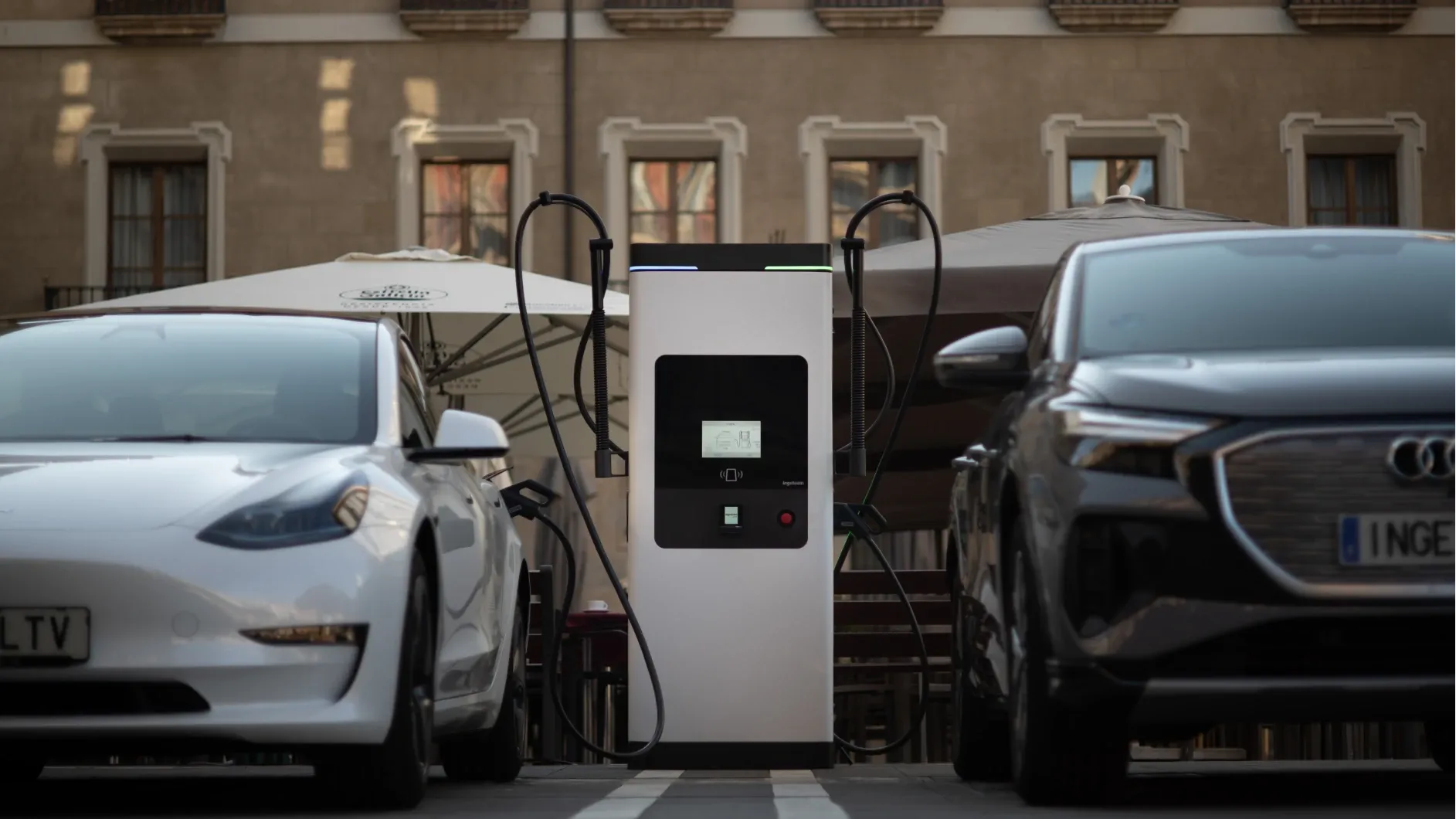
The idea exists to address long-standing challenges in traditional mobility, such as air pollution, energy inefficiency, and dependence on non-renewable resources. As urban populations grow and transportation demand increases, electric mobility offers an alternative approach that aligns with environmental and technological progress.
Electric mobility innovation is not limited to personal vehicles. It also includes public transportation, two-wheelers, commercial fleets, and supporting technologies such as smart grids and energy management systems. Together, these elements form an interconnected ecosystem designed to modernize transportation.
Why Electric Mobility Innovation Matters Today
Electric mobility innovation plays a significant role in shaping how people and goods move in modern societies. It directly affects individuals, businesses, city planners, and policymakers.
One of the primary reasons this topic matters is its potential to reduce environmental impact. Conventional vehicles contribute heavily to air pollution and greenhouse gas emissions. Electric mobility systems aim to minimize these effects by using cleaner energy sources.
Another key aspect is energy efficiency. Electric drivetrains convert energy more efficiently than internal combustion engines, leading to improved performance and reduced energy waste.
Electric mobility also supports broader economic and infrastructure development by encouraging innovation in manufacturing, software, and energy storage.
Key problems addressed include:
-
Urban air quality challenges
-
Noise pollution in densely populated areas
-
Energy security concerns
-
Traffic management and efficiency
-
Long-term sustainability of transportation systems
This innovation affects daily commuters, logistics providers, urban communities, and future generations who depend on sustainable infrastructure.
Recent Developments and Emerging Trends
Electric mobility innovation continues to evolve through advancements in technology, infrastructure, and system integration. Recent developments focus on improving usability, reliability, and scalability.
Battery technology has seen improvements in energy density, durability, and safety. These enhancements help extend driving range and reduce performance limitations.
Charging infrastructure has expanded in both public and private spaces. Innovations such as faster charging systems and smart charging management improve convenience and grid stability.
Digital integration is another major trend. Software platforms now support vehicle monitoring, route optimization, and energy usage analysis, making electric mobility systems more intelligent and responsive.
Key emerging trends include:
-
Integration of renewable energy with charging networks
-
Use of data analytics for traffic and energy optimization
-
Expansion of electric mobility into public transport systems
-
Standardization of charging protocols
-
Focus on lifecycle sustainability, including battery reuse and recycling
These trends indicate a shift toward a more connected and efficient mobility ecosystem.
Laws, Regulations, and Policy Influence
Electric mobility innovation is shaped by national and regional policies designed to encourage cleaner transportation. Governments influence adoption through regulations, standards, and long-term planning frameworks.
Policies often focus on emission reduction targets, energy efficiency standards, and infrastructure development guidelines. These rules help ensure safety, interoperability, and environmental responsibility.
Urban planning policies increasingly incorporate electric mobility into public transportation systems and city development strategies. Standards for vehicle safety, battery handling, and charging equipment are also part of regulatory oversight.
Common policy areas include:
-
Emission and efficiency regulations
-
Vehicle safety and certification standards
-
Energy and grid integration guidelines
-
Urban mobility planning frameworks
-
Environmental compliance and reporting requirements
Such policies provide structure and consistency, helping electric mobility systems integrate smoothly into existing transportation networks.
Tools and Resources Supporting Electric Mobility
A wide range of tools and resources help individuals and organizations understand and manage electric mobility systems. These resources support decision-making, planning, and performance monitoring.
Digital platforms provide insights into vehicle performance, charging patterns, and energy consumption. Simulation tools help model infrastructure requirements and traffic behavior.
Educational resources and data platforms contribute to broader awareness and technical understanding.
Commonly used tools and resources include:
-
Electric vehicle range estimation calculators
-
Charging network planning software
-
Energy consumption analysis dashboards
-
Battery performance monitoring systems
-
Transportation data visualization tools
-
Policy and compliance tracking frameworks
These tools support informed planning and help align electric mobility systems with real-world requirements.
Key Data Snapshot of Electric Mobility Components
| Component | Primary Function | Key Benefit |
|---|---|---|
| Electric Vehicles | Electric-powered transport | Reduced emissions |
| Batteries | Energy storage | Improved efficiency |
| Charging Systems | Power delivery | User convenience |
| Smart Grids | Energy management | Grid stability |
| Software Platforms | Data and control | Optimized operations |
Comparative View of Traditional vs Electric Mobility
| Aspect | Traditional Mobility | Electric Mobility |
|---|---|---|
| Energy Source | Fossil fuels | Electricity |
| Emissions | High | Significantly lower |
| Noise Levels | High | Low |
| Energy Efficiency | Moderate | High |
| System Integration | Limited | Advanced |
Frequently Asked Questions
What is electric mobility innovation in simple terms?
It refers to new technologies and systems that use electricity to power transportation, aiming to improve efficiency and reduce environmental impact.
Does electric mobility only include cars?
No. It includes two-wheelers, buses, commercial vehicles, and supporting infrastructure such as charging systems and digital platforms.
How does electric mobility help the environment?
It reduces air pollution and emissions by replacing fossil fuel combustion with cleaner energy sources.
Are electric mobility systems suitable for urban areas?
Yes. They are particularly effective in cities due to lower noise levels, improved air quality, and compatibility with smart transportation planning.
What role does technology play in electric mobility?
Technology enables battery improvements, smart charging, data analytics, and system integration, making electric mobility more reliable and efficient.
Final Thoughts on Electric Mobility Innovation
Electric mobility innovation represents a significant shift in how transportation systems are designed and operated. By combining clean energy, advanced technology, and thoughtful planning, it addresses many challenges associated with traditional mobility.
Its importance extends beyond environmental benefits, influencing urban development, energy management, and long-term sustainability. As innovation continues, electric mobility is expected to play a central role in building resilient and efficient transportation ecosystems.
Understanding its basics, trends, policies, and tools helps individuals and organizations make informed decisions and engage meaningfully with the future of mobility.

