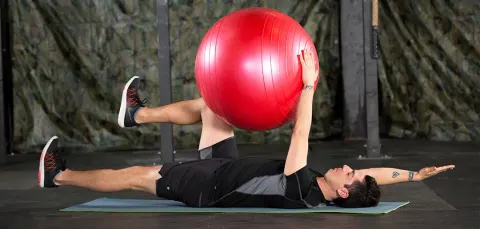
Overview of Sports Injury Prevention: Explanation, Details, and Protection Tips
Sports injury prevention refers to the methods, practices, and educational strategies used to reduce the risk of injuries during physical activity, exercise, and organized sports. It exists because physical movement, while essential for health, also places stress on muscles, joints, ligaments, and bones. Without proper preparation and safety measures, this stress can lead to short-term injuries or long-term physical problems.
From casual walking and gym workouts to competitive athletics, injury prevention aims to help people stay active without unnecessary harm. It combines knowledge from sports science, biomechanics, physical education, and health awareness. The goal is not to eliminate physical challenge, but to manage risk through informed choices and safe movement patterns.
Importance: Why Sports Injury Prevention Matters
Sports injury prevention is important today because physical activity levels are rising across all age groups. More people participate in recreational sports, fitness programs, and endurance challenges, increasing exposure to injury risks.
This topic affects:
-
Children and students involved in school sports
-
Adults engaged in fitness routines or recreational leagues
-
Professional and semi-professional athletes
-
Older adults using exercise to maintain mobility
Common problems that injury prevention helps address include:
-
Muscle strains and ligament tears
-
Overuse injuries such as tendon irritation
-
Joint damage affecting knees, shoulders, and ankles
-
Long recovery times that disrupt daily life
Preventive education reduces healthcare burden, minimizes time away from work or training, and supports long-term physical independence. According to guidance aligned with World Health Organization principles, safe physical activity is a key part of lifelong health when combined with injury awareness.
Recent Updates: Emerging Trends and Developments
In recent months, sports injury prevention has seen increased focus on evidence-based training methods. Fitness professionals and sports organizations have emphasized movement quality rather than intensity alone. There has been growing attention on:
-
Personalized training plans based on age, mobility, and activity level
-
Greater use of wearable motion sensors to monitor workload
-
Updated warm-up routines focusing on dynamic mobility
-
Increased discussion around mental fatigue and injury risk
Sports medicine communities have also highlighted the importance of recovery balance, noting that insufficient rest between training sessions contributes significantly to preventable injuries. Public health campaigns have reinforced the message that consistency and moderation are more protective than sudden high-intensity activity.
Laws or Policies: Rules, Guidelines, and Programs
Sports injury prevention is influenced by safety regulations and public health policies in many countries. These rules are designed to protect participants, especially minors and amateur athletes.
Key policy-related influences include:
-
Mandatory protective equipment in school and organized sports
-
Safety standards for sports facilities and playing surfaces
-
Concussion management protocols in contact sports
-
Physical education guidelines that include injury awareness
Government-supported fitness initiatives often include educational materials on safe exercise practices. These policies help standardize injury prevention knowledge and ensure that sports participation is supported by minimum safety requirements.
Tools and Resources: Practical Support for Injury Prevention
A wide range of educational and analytical tools support sports injury prevention. These resources focus on awareness, monitoring, and skill development rather than commercial promotion.
Commonly used tools include:
-
Activity tracking apps that monitor training volume
-
Flexibility and mobility assessment checklists
-
Exercise form analysis tools using video review
-
Injury risk screening questionnaires
-
Recovery tracking logs
Below is an example table showing common prevention focus areas and their purpose:
| Prevention Focus Area | Purpose |
|---|---|
| Warm-up routines | Prepare muscles and joints for activity |
| Strength balance | Reduce strain on specific body parts |
| Technique correction | Improve movement efficiency |
| Recovery planning | Prevent overuse and fatigue injuries |
| Protective equipment | Minimize impact-related injuries |
These tools help individuals make informed decisions about training intensity and physical readiness.
Frequently Asked Questions (FAQs)
What is the most common cause of sports injuries?
The most common causes include poor technique, lack of warm-up, overtraining, and inadequate recovery. Many injuries occur when the body is pushed beyond its current capacity.
Can beginners benefit from injury prevention strategies?
Yes. Beginners often benefit the most because early habits influence long-term movement patterns. Learning proper form and pacing reduces early setbacks.
Is stretching always necessary before sports?
Dynamic stretching before activity helps prepare muscles for movement. Static stretching is generally more appropriate after activity or during separate flexibility sessions.
Do protective gears completely prevent injuries?
Protective equipment reduces risk but does not eliminate it. Proper technique, awareness, and conditioning remain essential for safety.
How does recovery help prevent injuries?
Recovery allows tissues to repair and adapt. Without adequate rest, small stresses accumulate and increase the likelihood of injury.
Conclusion
Sports injury prevention is a foundational aspect of safe and sustainable physical activity. By understanding how injuries occur and applying preventive strategies, individuals can remain active while protecting their long-term health. Education, policy support, and practical tools together create an environment where movement is encouraged and risks are managed responsibly. Whether for casual exercise or structured sports, prevention-focused habits help ensure that physical activity remains a positive and lasting part of daily life.
Disclaimer: The information provided in this article is for informational purposes only. We do not make any claims or guarantees regarding the accuracy, reliability, or completeness of the information presented. The content is not intended as professional advice and should not be relied upon as such. Readers are encouraged to conduct their own research and consult with appropriate professionals before making any decisions based on the information provided in this article