Paper Mill Guide: A Beginner’s Introduction to Processes, Equipment, and Production
Paper mills are facilities where raw materials like wood, recycled paper, and agricultural residue are processed into usable paper products. These products range from writing paper and packaging materials to tissues and specialty papers. The process involves several stages, including pulping, bleaching, pressing, drying, and cutting.
Paper mills play a central role in the global paper and packaging supply chain. Despite growing digitization, the demand for paper especially in hygiene products, packaging, and industrial uses remains steady. This guide offers a beginner-friendly explanation of how paper mills function, the types of equipment involved, and the evolving practices within the industry.
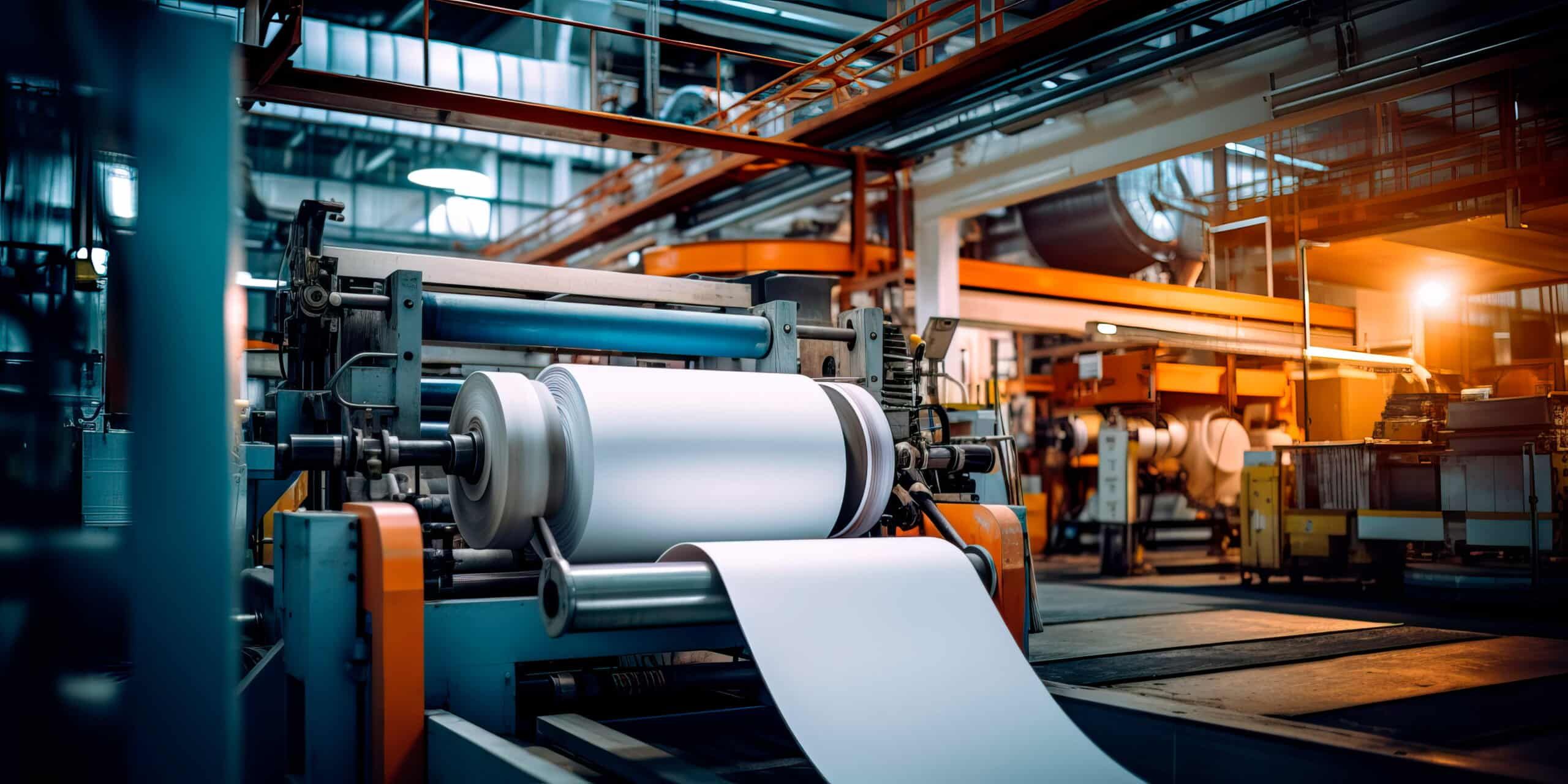
Why Paper Mills Matter Today
Paper production touches nearly every industry, from publishing and education to food packaging and medical supplies. Here’s why paper mills are essential today:
-
Sustainable Packaging Demand: With rising awareness of plastic pollution, paper-based alternatives have surged in demand.
-
Recycling and Circular Economy: Many paper mills now operate using recycled inputs, reducing waste and conserving forests.
-
Economic Significance: In countries like India, China, and the U.S., paper manufacturing is a major industrial sector, supporting thousands of jobs.
-
Educational and Medical Needs: Despite digital tools, paper remains vital in schools, hospitals, and legal systems.
By converting renewable resources into essential materials, paper mills support a balance between sustainability and industrial productivity.
Trends and Updates in the Paper Industry
The paper industry is undergoing steady transformation, particularly in environmental practices, automation, and digital integration. Some of the notable developments include:
-
Increased Use of Recycled Paper: As of 2024, over 50% of global paper production comes from recycled inputs, driven by consumer demand and government incentives.
-
Automation in Mills: From 2023–2025, many modern paper mills have introduced robotic arms, AI-based quality checks, and sensor-based monitoring systems to improve efficiency.
-
Rise in Specialty Paper: Due to the boom in e-commerce and sustainable packaging, demand for kraft paper, coated boards, and biodegradable paper liners has grown significantly.
-
Eco-friendly Chemicals: By mid-2024, several mills have transitioned to oxygen-based and enzyme-assisted bleaching methods to reduce harmful emissions.
-
Energy Efficiency Mandates: Countries in the EU and Asia have pushed mills to reduce energy use per ton of output, leading to the rise of cogeneration and biomass boilers.
These shifts reflect the industry’s adaptation to economic pressures, environmental regulations, and changing consumer behavior.
Legal Regulations and Government Programs
Paper mills are heavily influenced by environmental policies, labor standards, and industrial safety laws. Here are key areas where regulations apply:
Environmental Laws
-
Effluent Discharge: In countries like India and the U.S., paper mills must treat wastewater to meet national standards for pH, biochemical oxygen demand (BOD), and chemical oxygen demand (COD).
-
Air Emissions: Mills are monitored for sulfur dioxide (SO₂), particulate matter, and volatile organic compounds.
-
Forest Management: Use of virgin wood is governed by sustainable forest management policies and certifications like FSC (Forest Stewardship Council).
Incentives and Support
-
Subsidies for Recycling Plants: Governments in Germany, India, and Japan offer capital subsidies for mills using high percentages of waste paper.
-
Carbon Credit Programs: Mills that reduce greenhouse gas emissions may benefit from carbon offset programs, especially in the EU.
-
Worker Safety Rules: OSHA (U.S.) and similar bodies elsewhere enforce workplace safety standards regarding machinery, chemical handling, and training.
Compliance with these laws is not only mandatory but often essential for maintaining social and environmental credibility.
Tools, Equipment, and Resources Used in Paper Mills
Paper production involves a variety of machines and support tools across different phases. Below is a breakdown of the primary equipment and resources:
Core Machines Used
| Equipment | Function |
|---|---|
| Pulpers | Break down raw materials into pulp |
| Refiners | Improve fiber bonding through mechanical action |
| Bleaching Towers | Whiten pulp using chemicals or enzymes |
| Fourdrinier Machines | Form and shape the paper sheet from pulp slurry |
| Press and Dryer Sections | Remove water and dry the sheet through heated rollers |
| Calenders | Smooth and finish the paper surface |
| Rewinders and Cutters | Prepare finished rolls or sheets for delivery |
-
Moisture Sensors: Real-time control of drying operations
-
SCADA Systems: Industrial software for automation and monitoring
-
Recycled Paper Cost Calculators: Tools to determine ROI for mills switching to recycled raw material
-
Lab Testing Kits: For checking pulp consistency, brightness, and fiber content
-
Industry Reports and Databases: Provided by organizations like FAO, CEPI, and Pulp & Paper International
These resources enhance process control, reduce waste, and improve paper quality.
Frequently Asked Questions
What raw materials are used in a paper mill?
Paper mills primarily use wood pulp (from softwood and hardwood), recycled paper, and sometimes agricultural residue like bagasse. Modern mills often blend different fibers to meet specific quality standards.
Is paper production harmful to the environment?
Traditional methods can be pollutive, but modern mills have greatly improved their sustainability. They use recycled inputs, eco-friendly bleaching agents, and advanced water treatment technologies to minimize their environmental impact.
What is the difference between coated and uncoated paper?
Coated paper has a surface treatment (like clay or polymer) to make it smoother and glossier, often used in magazines and brochures. Uncoated paper is more porous and is used in printing, books, and everyday documents.
How long does it take to produce a batch of paper?
Depending on the paper type and mill size, it can take anywhere from a few hours to an entire day to convert raw materials into a finished batch, including drying and cutting stages.
Can paper mills run entirely on renewable energy?
While challenging, many mills use biomass from wood residues or cogeneration systems to power parts of their operations. A few have even integrated solar and wind for supplementary energy needs.
Final Thoughts
Understanding how paper mills operate helps us appreciate the complex process behind everyday materials like notebooks, cartons, and tissues. This guide has outlined the key stages of production, regulatory influences, recent trends, and essential equipment involved in the paper industry.
As global sustainability standards evolve and technology advances, paper mills are steadily transforming into cleaner, smarter, and more resource-efficient operations. Whether you’re a student, entrepreneur, or policymaker, learning the basics of this industry can offer valuable insights into industrial production and circular economy models.