Paper Recycling Machines Guide: Explore Basics, Processes, and Key Insights
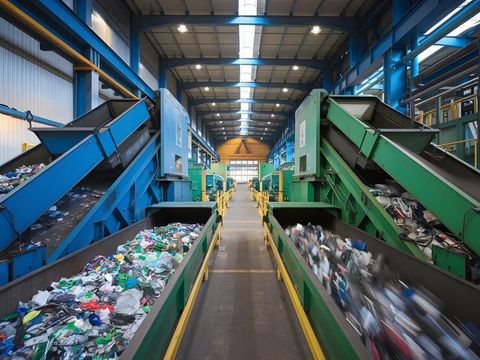
Paper recycling machines play an important role in managing paper waste and supporting resource conservation. These machines are designed to process used paper products such as newspapers, cardboard, and office paper into reusable raw materials. The concept of recycling paper has existed for centuries, but modern paper recycling machines have evolved to handle large volumes with improved efficiency and consistency.
The process begins with collecting and sorting waste paper, followed by mechanical and chemical treatments that break down fibers and remove impurities. Paper recycling machines guide this transformation through stages like pulping, screening, cleaning, and drying. As urban populations grow and consumption increases, these systems help reduce the strain on forests and landfill space.
Understanding how paper recycling machines work provides insight into how everyday materials can be reused rather than discarded. This knowledge supports broader awareness of sustainable practices and resource management.
Importance
Paper recycling machines are closely linked to environmental sustainability and waste reduction. They help convert discarded paper into usable materials, reducing the need for fresh raw inputs such as wood pulp. This contributes to forest conservation and lowers the environmental impact associated with paper production.
These machines also address challenges related to waste management. Large quantities of paper waste are generated daily in homes, offices, and industries. Without proper recycling systems, this waste can accumulate in landfills, contributing to pollution and inefficient land use.
For communities and industries, paper recycling machines support:
- Waste reduction, by diverting paper from landfill sites
- Resource conservation, by reusing existing paper fibers
- Energy efficiency, as recycled paper production often requires less energy than producing new paper
- Environmental protection, by lowering emissions linked to paper manufacturing
The importance of paper recycling machines extends beyond environmental concerns. They also contribute to circular economy practices, where materials are reused and repurposed rather than discarded after a single use.
Recent Updates
Recent developments in paper recycling machines reflect a growing focus on automation, efficiency, and sustainability. Between 2024 and 2026, advancements have centered on improving sorting accuracy and reducing contamination in recycled paper streams.
Modern paper recycling machines increasingly incorporate smart sensors and artificial intelligence. These technologies help identify different types of paper materials and separate them more effectively. This leads to higher-quality recycled output and less material loss during processing.
Another noticeable trend is the integration of water-saving systems. Traditional recycling processes can require significant water usage, but newer machines are designed to recycle water within the system. This reduces overall consumption and minimizes wastewater discharge.
Energy optimization has also become a key focus. Many paper recycling machines now include energy monitoring features that help operators track and manage consumption. This aligns with broader efforts to reduce environmental impact in industrial processes.
Smaller-scale machines are also becoming more accessible for localized recycling efforts. These compact systems are suitable for schools, small businesses, and community initiatives, supporting decentralized waste management approaches.
Laws or Policies
Paper recycling machines operate within a framework of environmental regulations and waste management policies. In countries like India, these rules are designed to promote recycling and reduce the environmental impact of waste.
Government initiatives encourage the segregation of waste at the source, which is essential for efficient paper recycling. Policies related to solid waste management outline guidelines for collecting, sorting, and processing recyclable materials, including paper.
Key regulatory aspects include:
- Waste segregation rules, requiring separation of recyclable and non-recyclable materials
- Environmental standards, ensuring that recycling processes limit emissions and wastewater discharge
- Extended producer responsibility (EPR), which places responsibility on producers to manage the lifecycle of their products, including recycling
- Industrial compliance norms, which regulate how paper recycling machines operate in manufacturing environments
These policies aim to create a structured approach to recycling while encouraging the adoption of technologies that support sustainability.
Tools and Resources
Various tools and resources support the understanding and operation of paper recycling machines. These resources help individuals, educators, and organizations learn about recycling processes and improve waste management practices.
Common tools and resources include:
- Recycling calculators, which estimate how much paper waste can be converted into reusable material
- Educational platforms, providing guides on how paper recycling machines function
- Government portals, offering information on recycling rules and waste management programs
- Industry reports, detailing trends and innovations in paper recycling technologies
- Training materials, explaining operational steps and safety practices for handling recycling equipment
The following table outlines key components of paper recycling machines and their functions:
| Component | Function |
|---|---|
| Pulping unit | Breaks down waste paper into a slurry of fibers |
| Screening system | Removes large contaminants like plastic and metal |
| Cleaning unit | Eliminates smaller impurities such as ink particles |
| Deinking system | Separates ink from paper fibers |
| Pressing section | Removes excess water from processed pulp |
| Drying unit | Dries the paper to form usable sheets |
Understanding these components helps clarify how paper recycling machines transform waste into new materials.
FAQs
What are paper recycling machines used for?
Paper recycling machines are used to process waste paper into reusable pulp, which can then be turned into new paper products. They help reduce waste and conserve natural resources.
How do paper recycling machines work?
Paper recycling machines work through several steps, including pulping, cleaning, screening, and drying. These processes remove contaminants and restore paper fibers for reuse.
What types of paper can be processed in paper recycling machines?
Most paper recycling machines can handle newspapers, cardboard, office paper, magazines, and packaging materials. However, heavily contaminated or coated paper may require additional processing.
Are paper recycling machines environmentally friendly?
Paper recycling machines support environmental goals by reducing landfill waste and lowering the need for raw materials. Their overall impact depends on factors such as energy and water usage.
Can small-scale paper recycling machines be used locally?
Yes, smaller paper recycling machines are designed for local use in schools, communities, and small organizations. They help manage paper waste at a localized level.
Conclusion
Paper recycling machines are essential tools for managing paper waste and supporting sustainable practices. They convert discarded materials into reusable resources through structured processes. Advances in technology continue to improve their efficiency and environmental performance. By understanding their role and operation, individuals and organizations can better appreciate the importance of recycling systems in modern waste management.