Pelvic Floor Exercises: Complete Guide, Basics, Benefits, and Practical Tips for Strength and Stability
Pelvic floor exercises are an important part of maintaining overall physical health and stability. The pelvic floor is a group of muscles and connective tissues that support organs such as the bladder, intestines, and reproductive organs. These muscles form a supportive base within the lower part of the body and work together with the core muscles to maintain posture, balance, and internal organ support.
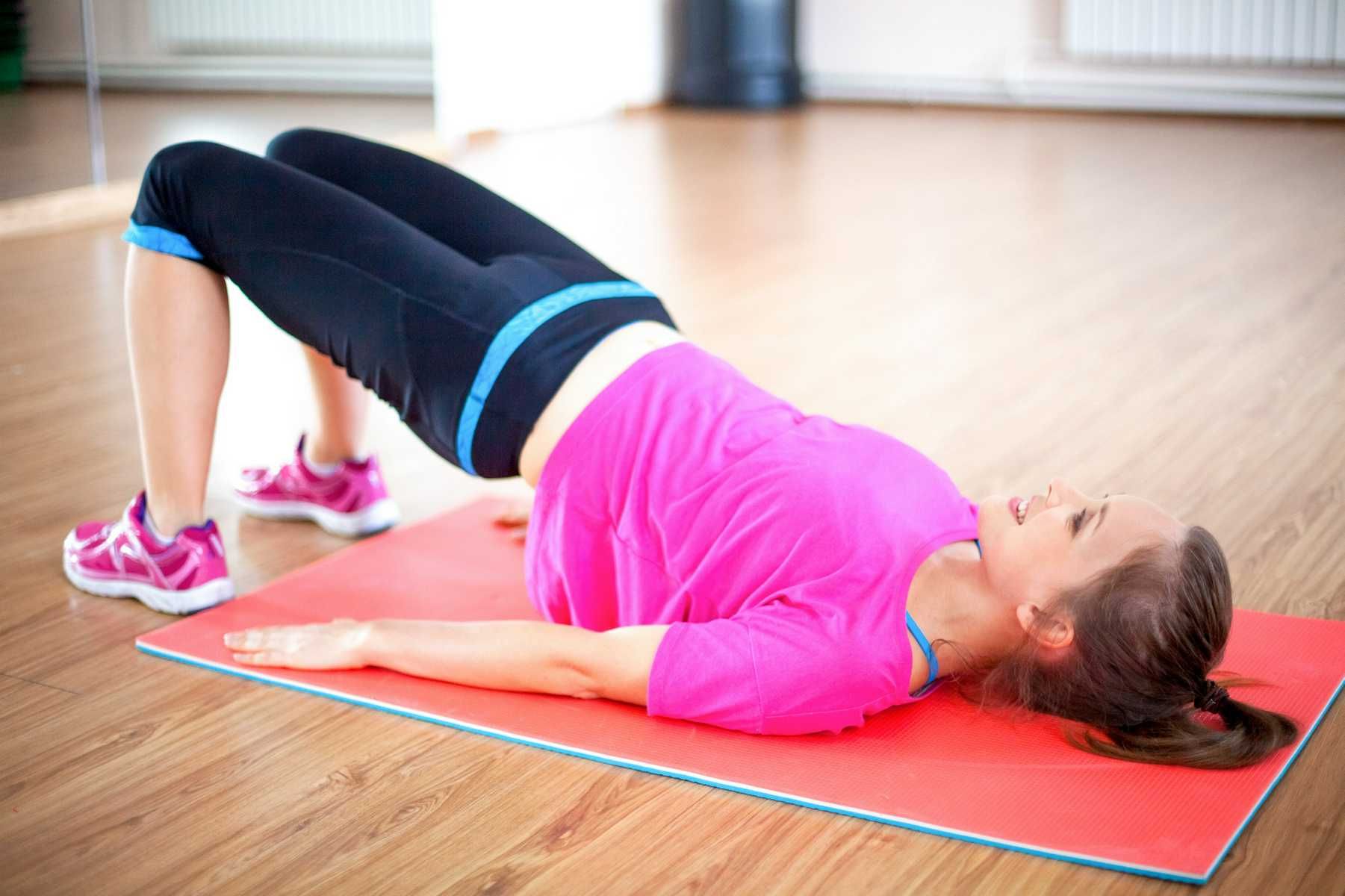
Often referred to as Kegel exercises, pelvic floor training focuses on strengthening these muscles through controlled contractions and relaxation. Although many people associate these exercises with postpartum recovery, they are beneficial for people of all genders and ages.
Understanding the role of pelvic floor muscles can help improve daily comfort, enhance movement control, and support overall physical wellness. Research within pelvic health rehabilitation, core stability training, and physical therapy for pelvic floor dysfunction continues to highlight the importance of these muscles in maintaining body stability.
Pelvic floor strengthening is commonly included in preventive healthcare strategies, core strengthening programs, and functional fitness routines designed to promote long-term health.
Understanding Pelvic Floor Function and Structure
The pelvic floor is located at the base of the pelvis and acts like a supportive sling for internal organs. These muscles coordinate with the diaphragm, abdominal muscles, and lower back muscles to create a stable core.
Key functions of the pelvic floor include:
-
Supporting pelvic organs
-
Assisting bladder and bowel control
-
Stabilizing the spine and pelvis
-
Contributing to posture and balance
-
Supporting abdominal pressure during activities
The muscles respond to voluntary control, meaning individuals can train them through targeted pelvic floor muscle training and core strengthening exercises.
A simplified overview of pelvic floor components is shown below.
| Component | Function | Importance |
|---|---|---|
| Levator Ani Muscles | Primary pelvic support | Maintains organ positioning |
| Coccygeus Muscle | Stabilizes pelvic structure | Supports lower spine |
| Connective Tissue | Structural support | Maintains muscle coordination |
| Nerve Network | Muscle control | Enables contraction and relaxation |
When these muscles are weak or uncoordinated, individuals may experience reduced stability or pelvic discomfort.
Why Pelvic Floor Exercises Matter for Modern Health
Pelvic floor health has become a widely discussed topic within preventive wellness, functional movement training, and rehabilitation science. Many everyday habits such as prolonged sitting, heavy lifting, or limited physical activity can weaken pelvic muscles over time.
Strengthening the pelvic floor helps support a wide range of body functions.
Common benefits associated with pelvic floor training include:
-
Improved core stability and muscle coordination
-
Better postural alignment and spinal support
-
Enhanced bladder and bowel control awareness
-
Increased functional movement efficiency
-
Greater lower body stability during exercise
Individuals who often benefit from pelvic floor training include:
-
People recovering from pregnancy or abdominal strain
-
Athletes focusing on core strength optimization
-
Older adults maintaining mobility and balance
-
Individuals practicing rehabilitative physical therapy
The growing interest in pelvic floor rehabilitation exercises, muscle activation techniques, and functional core training programs reflects the importance of this muscle group in modern health education.
Emerging Trends in Pelvic Floor Education and Fitness
Health awareness campaigns and digital health platforms have increased public knowledge about pelvic floor health. Many wellness programs now include educational materials on pelvic floor strengthening routines, core muscle activation, and functional movement therapy.
Recent developments in this area include:
-
Increased use of biofeedback technology for pelvic muscle training
-
Integration of pelvic floor exercises into yoga, Pilates, and physiotherapy programs
-
Expansion of digital fitness education platforms that explain pelvic health
-
Greater focus on preventive musculoskeletal health education
Fitness professionals increasingly emphasize the connection between deep core muscles, breathing mechanics, and pelvic stability. This holistic approach helps individuals understand how pelvic muscles interact with other parts of the body.

