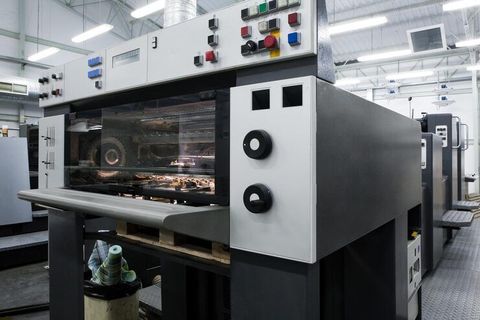
Processing Machines Explanation for Materials Handling and Automation
Processing machines are industrial systems designed to transform raw materials into intermediate or finished products through mechanical, thermal, chemical, or automated operations. These machines are central to manufacturing environments where consistent quality, efficiency, and scalability are required.
Materials handling refers to the movement, storage, control, and protection of materials throughout manufacturing and distribution processes. Automation integrates control systems, sensors, and robotics to improve speed and reduce manual intervention.
Processing machines exist because manual production methods cannot meet modern industrial demands for precision, speed, and high-volume output. As manufacturing evolved, automated processing systems were developed to streamline operations and reduce variability.
Today, processing machines are used across industries such as food production, pharmaceuticals, chemical processing, construction materials, and metal fabrication.
Importance: Why Processing Machines Matter in Modern Industry
Processing machines are essential for maintaining operational efficiency and consistent output in manufacturing environments.
This topic is relevant to:
-
Manufacturing plant managers
-
Industrial automation engineers
-
Supply chain and logistics teams
-
Production quality control professionals
Processing machines help solve challenges such as inconsistent manual production, inefficient material flow, and workplace safety risks. Automated materials handling reduces physical strain on workers and improves productivity.
In competitive industrial markets, automation and optimized processing workflows contribute to cost efficiency, product quality, and scalable operations.
Types of Processing Machines in Materials Handling
Processing machines vary depending on industry and application.
Mechanical processing machines
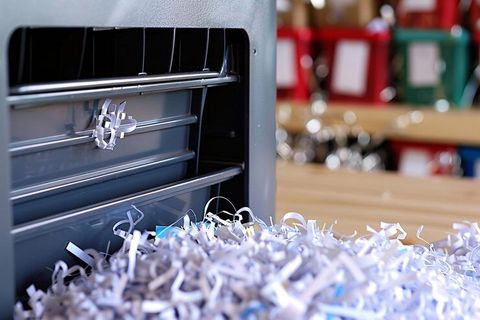
Perform cutting, mixing, crushing, grinding, or shaping operations.
Thermal processing machines
Use heat for drying, melting, baking, or curing materials.
Chemical processing systems
Control reactions, blending, and separation processes.
Automated handling systems
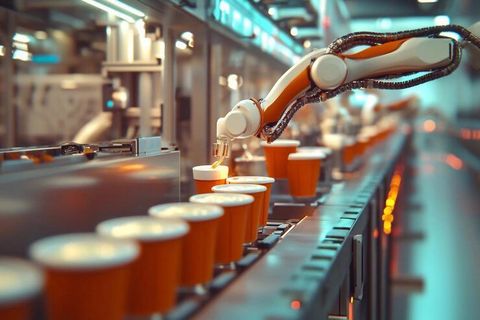
Include conveyors, robotic arms, palletizers, and sorting systems.
The table below summarizes categories:
| Machine Category | Typical Function |
|---|---|
| Mechanical | Material shaping or size reduction |
| Thermal | Heat-based processing |
| Chemical | Reaction and blending control |
| Automated handling | Material movement and sorting |
Understanding machine categories helps align equipment with process requirements.
How Processing Machines Support Materials Handling
Processing machines are often integrated with handling systems for seamless workflow.
Material input
Raw materials are fed into machines via conveyors or feeders.
Processing stage
Machines transform materials based on programmed parameters.
Automated transfer
Finished or semi-finished materials move to the next stage.
Quality monitoring
Sensors verify process accuracy.
Storage or packaging
Processed materials are stored or prepared for shipment.
This coordinated flow reduces bottlenecks and improves throughput.
Role of Automation in Processing Systems
Automation enhances processing efficiency in several ways.
Precision control
Programmable logic controllers (PLCs) regulate speed and output.
Reduced manual intervention
Robotics perform repetitive or hazardous tasks.
Real-time monitoring
Sensors provide continuous performance feedback.
Data-driven optimization
Analytics platforms improve workflow planning.
Automation supports consistency, safety, and scalability.
Key Components of Automated Processing Systems
Modern processing systems rely on interconnected components.
Control systems
Programmable controllers manage operations.
Sensors and actuators
Monitor conditions and adjust parameters.
Conveyors and transfer equipment
Move materials between stations.
Human-machine interface (HMI)
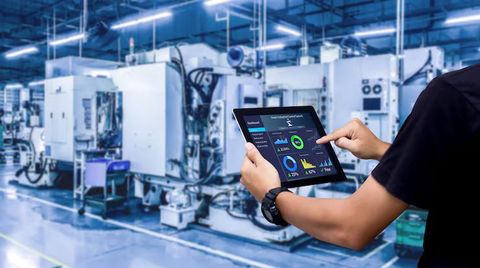
Allows operators to monitor and adjust settings.
The table below outlines core components:
| Component | Function |
|---|---|
| Control system | Process coordination |
| Sensors | Performance monitoring |
| Conveyors | Material transport |
| HMI | Operator interaction |
Together, these elements create integrated automation workflows.
Recent Updates and Industry Trends (2025–2026)
Processing machine technology continues evolving.
AI-driven automation (2025)
Machine learning algorithms improved process optimization.
Energy-efficient drive systems
Variable-speed motors reduced energy consumption.
Advanced robotics integration
Collaborative robots supported flexible production.
Digital twin adoption
By late 2025, simulation models enhanced system planning and diagnostics.
The table below highlights trends:
| Trend Area | Observed Direction |
|---|---|
| Intelligence | AI-assisted control |
| Efficiency | Variable-speed drives |
| Robotics | Collaborative automation |
| Simulation | Digital twin modeling |
These innovations enhance system reliability and productivity.
Laws, Regulations, and Compliance Considerations
Processing machines must meet regulatory standards.
Machine safety regulations
Guarding and emergency stop mechanisms are required.
Environmental compliance
Dust, emissions, and waste management must meet standards.
Workplace safety guidelines
Operators must follow safety protocols.
Quality control standards
Industries may require certified production processes.
Compliance ensures safe and responsible operation.
Tools and Resources for Processing Machine Management
Several tools support materials handling automation.
Production monitoring dashboards
Track output and performance.
Maintenance management systems
Schedule preventive servicing.
Load calculation tools
Optimize machine capacity planning.
Workflow simulation software
Test process design before implementation.
Training manuals and safety guides
Support operator education.
These resources improve operational planning and reliability.
Operational Considerations
Effective processing machine operation depends on structured planning.
Proper machine selection
Align equipment capacity with production demand.
Regular calibration and inspection
Maintain performance accuracy.
Integration compatibility
Ensure communication between systems.
Operator training
Promote safe and efficient handling.
Attention to these considerations ensures long-term efficiency.
FAQs About Processing Machines
What are processing machines used for?
They transform raw materials into usable products in industrial settings.
How does automation improve materials handling?
Automation increases speed, precision, and safety.
Are processing machines customizable?
Many systems can be configured for specific production requirements.
What is the role of sensors in automation?
Sensors monitor performance and enable real-time adjustments.
Why is maintenance important for processing systems?
Maintenance prevents breakdowns and maintains efficiency.
Conclusion
Processing machines are central to materials handling and automation in modern industrial environments. By integrating mechanical operations with automated control systems, these machines enable efficient, consistent, and scalable production.
Understanding machine types, workflow integration, recent technological developments, regulatory requirements, and supporting management tools provides a structured approach to system implementation. As industries continue advancing toward smart manufacturing, automated processing systems remain fundamental to operational excellence.
With careful planning and proper maintenance, processing machines support reliable material transformation and streamlined industrial workflows.