Recycling Machines Explained: A Beginner’s Guide to Types, Uses, and Benefits
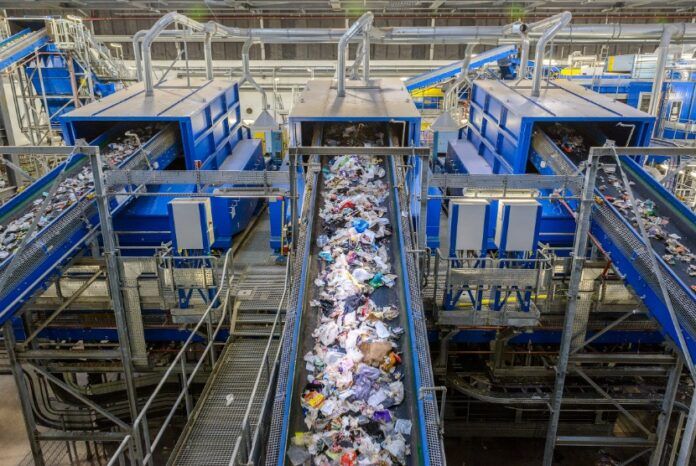
Recycling machines are equipment used to process waste materials into reusable raw resources. These machines break down materials like plastics, paper, metal, and electronics into forms that can be repurposed for new products. The idea of recycling machinery was developed to support sustainable waste management, reduce landfill use, and conserve natural resources.
Today, these machines are found in recycling plants, factories, community recycling centers, and even compact versions in small businesses. As waste generation continues to grow globally, recycling machines have become essential in reducing environmental impact and promoting circular economies.
Why Recycling Machines Matter Today
Recycling machines play a major role in modern waste management strategies. Here’s why they matter:
-
Environmental Protection: They reduce the volume of waste sent to landfills and lower greenhouse gas emissions by reusing materials.
-
Resource Conservation: Recycling helps preserve limited natural resources by using waste as input instead of extracting new raw materials.
-
Economic Benefits: Recycled materials are often cheaper than virgin materials, and recycling plants create jobs in local communities.
-
Waste Reduction: Machines streamline the sorting and reprocessing of waste, preventing improper disposal and littering.
-
Public Responsibility: With growing awareness of pollution and climate change, more individuals and companies seek sustainable solutions.
Industries affected by this include manufacturing, construction, packaging, automotive, electronics, and even households. As sustainability becomes a global focus, recycling technologies are increasingly in demand.
Recent Trends and Developments
Recycling technology has evolved rapidly over the past year. Here are a few key trends and updates:
-
AI and Smart Sorting: Modern recycling machines now include AI-powered recognition systems that sort materials with higher precision. (First widely adopted in late 2024)
-
Growth of E-Waste Recycling: As electronics waste increases, more machines are being built specifically for lithium batteries, circuit boards, and rare earth metals.
-
Decentralized Recycling Units: Compact recycling systems for small businesses and communities are trending in 2025, especially in Europe and Asia.
-
Biodegradable Plastic Separation: New technologies now help identify and separate biodegradable plastics from conventional ones (introduced in early 2025).
-
Modular Machines: Manufacturers are creating modular recycling machines that can be easily adapted for multiple materials, reducing space and costs.
These trends show a clear shift toward more intelligent, efficient, and accessible recycling systems.
Regulations and Government Policies
Recycling operations are influenced by various national and international laws. Below are key regulatory frameworks:
-
India – Plastic Waste Management Rules (2016, amended 2022): Mandates Extended Producer Responsibility (EPR) for plastic producers and encourages recycling infrastructure.
-
EU – Waste Framework Directive (2008, revised 2023): Requires EU countries to recycle at least 55% of municipal waste by 2025.
-
USA – National Recycling Strategy (2021): Focuses on improving markets for recycled materials and enhancing collection systems.
-
Japan – Home Appliance Recycling Law (2001): Obligates manufacturers to collect and recycle specific home appliances like TVs and refrigerators.
-
Australia – National Waste Policy Action Plan (2019): Aims for 80% resource recovery rate by 2030, with funding support for recycling tech.
Incentives like tax breaks, subsidies, and public grants are often provided to businesses adopting advanced recycling equipment. These laws help promote innovation, ensure compliance, and encourage investment in better machines.
Common Types of Recycling Machines
| Machine Type | Material Processed | Primary Use |
|---|---|---|
| Shredders | Plastic, metal, paper | Reduces waste size for easier handling |
| Granulators | Plastic | Converts plastic into fine granules |
| Balers | Cardboard, plastic, metal | Compresses recyclables into transportable bales |
| Optical Sorters | Mixed recyclables | Uses sensors to sort materials by type or color |
| Magnetic Separators | Ferrous metals | Removes metals from waste streams |
| Eddy Current Separators | Non-ferrous metals | Extracts aluminum and copper |
| Trommel Screens | Compost, organic waste | Separates materials based on size |
| E-Waste Dismantlers | Electronic devices | Breaks down and sorts electronic components |
| Compactors | General waste | Reduces volume before recycling or disposal |
| Wash Lines | Plastics (like PET bottles) | Cleans and prepares for pelletizing or reuse |
Tools and Resources for Recycling Efficiency
If you’re looking to understand, improve, or engage in recycling, here are some helpful tools and platforms:
-
Recykal (India): Digital platform that connects waste generators with recyclers and monitors waste flows.
-
Earth911: A U.S.-based website that helps consumers locate nearby recycling centers for various materials.
-
Waste Calculator by MyWaste: Estimates recyclable waste output based on daily activity.
-
Plastics Identification Chart (SPI): Helps identify plastic types using numeric codes.
-
Recycling Guidelines App (Global): Mobile app offering localized recycling instructions for households.
-
Government Portals (e.g., CPCB in India, EPA in the US): Provide laws, forms, and recycling project reports.
-
Circular Economy Toolkit: Offers templates and planning guides for businesses implementing recycling systems.
Frequently Asked Questions (FAQs)
Q1: What materials can be recycled using machines?
Most machines process plastics, paper, cardboard, aluminum, steel, electronics, and organic waste. Some advanced units can handle hazardous or complex materials like batteries and wires.
Q2: Are home-use recycling machines available?
Yes, compact machines for plastic shredding or composting are available for domestic or small business use. However, larger processing units are typically industrial.
Q3: How do recycling machines know what material to sort?
Machines like optical sorters use infrared sensors, AI, and visual detection to identify and separate materials automatically.
Q4: Are recycling machines expensive to operate?
Costs vary based on size, type, and automation level. While initial setup can be high, many governments offer incentives or cost-sharing programs to offset expenses.
Q5: Is recycling always environmentally friendly?
While recycling reduces landfill use and resource extraction, machines still use energy. The key is using efficient, low-emission systems and ensuring clean waste input.
Final Thoughts
Recycling machines are a cornerstone of modern sustainability practices. From industrial plants to local centers, these machines help convert waste into resources, reduce environmental harm, and support circular economies. As technology continues to evolve with smarter sorting, better processing, and more accessible models the future of recycling is promising.
Whether you’re a student, policymaker, entrepreneur, or simply an environmentally conscious citizen, understanding recycling machines is a vital step toward a cleaner, more sustainable world.